How Experts Solve Common Challenges in Industrial Machinery
 June 6, 2026
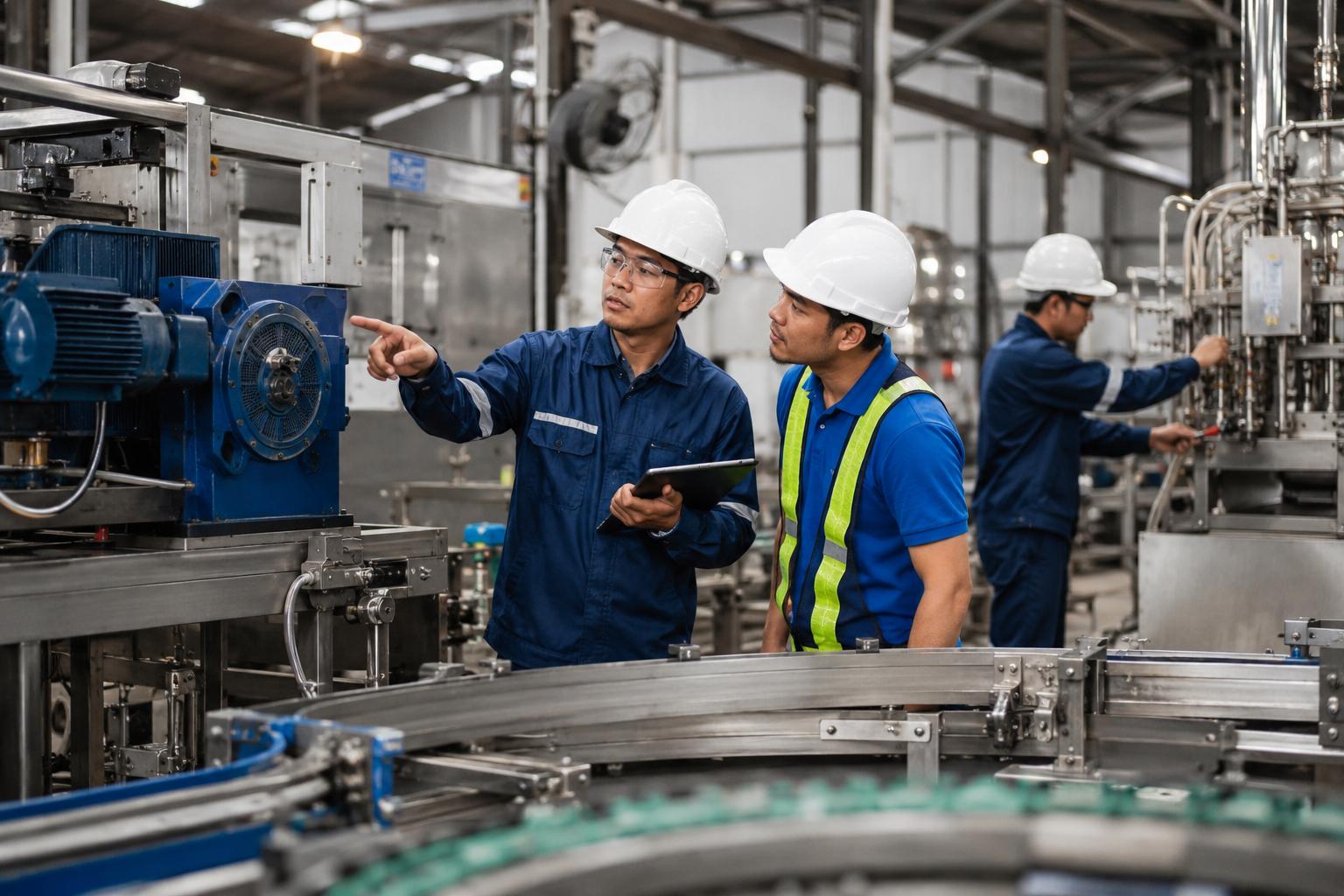
How do experts solve common challenges in industrial machinery?
- Unexpected downtime and breakdowns
- Overheating and lubrication failures
- Excessive vibration and misalignment
- Electrical faults and power fluctuations
- Lack of operator training and user errors
Overview
- Industrial machinery failures are preceded by warning signs like overheating, misalignment, and electrical faults.
- In the Philippines’ demanding tropical environment, proactive maintenance is vital.
- Working with experts like Industrial PH ensures real-time monitoring, precise laser alignments, stabilized power inputs, and structured operator training to prevent costly downtime and extend equipment lifespan.
Industrial machinery failures rarely happen without warning. Costly breakdowns and operational disruptions are often preceded by gradual warning signs, such as overheating, electrical faults, or operator errors.
For manufacturing plants in the Philippines, where tropical heat and high electricity rates already place additional strain on operations, recognizing these issues early is critical. By understanding the root causes of these common machinery problems, you can take preventive action and keep production running efficiently.
In the following sections, you’ll learn how experts solve common challenges in industrial machinery systems. With this, you can improve reliability, extend equipment lifespan, and avoid unexpected downtime.
Unexpected Downtime and Breakdowns
Every hour of industrial machinery downtime directly disrupts factory workflows, delays shipments, and drives up operational costs. In fast-paced sectors like food processing and packaging, a single equipment failure can quickly stall an entire production line.
Beyond immediate repair expenses, these breakdowns trigger a costly chain reaction of missed production targets, idled labor, and strained customer relationships. To mitigate these risks, industry experts rely on proactive maintenance strategies designed to identify and resolve potential issues before they escalate into catastrophic equipment failures.
Experts use real-time monitoring and predictive maintenance tools to track equipment performance and identify early warning signs. Combined with routine inspections, these strategies help prevent costly breakdowns and keep operations running efficiently.
Overheating and Lubrication Failures
Overheating and lubrication issues usually develop gradually under continuous operational loads. Over time, friction and rising temperatures place severe stress on internal components, reducing mechanical efficiency and accelerating wear.
In Philippine facilities—such as bottling lines, cold storage systems, and manufacturing plants—machinery frequently runs for extended hours in hot, humid conditions, making heat buildup difficult to control without proper thermal management.
To maintain stable conditions, industrial experts utilize advanced cooling systems equipped with automated controls, heat exchangers, and adiabatic pre-cooling. For complex setups, Industrial PH cooling system solutions provide the specialized temperature regulation needed to keep production lines running consistently.
Excessive Vibration and Misalignment
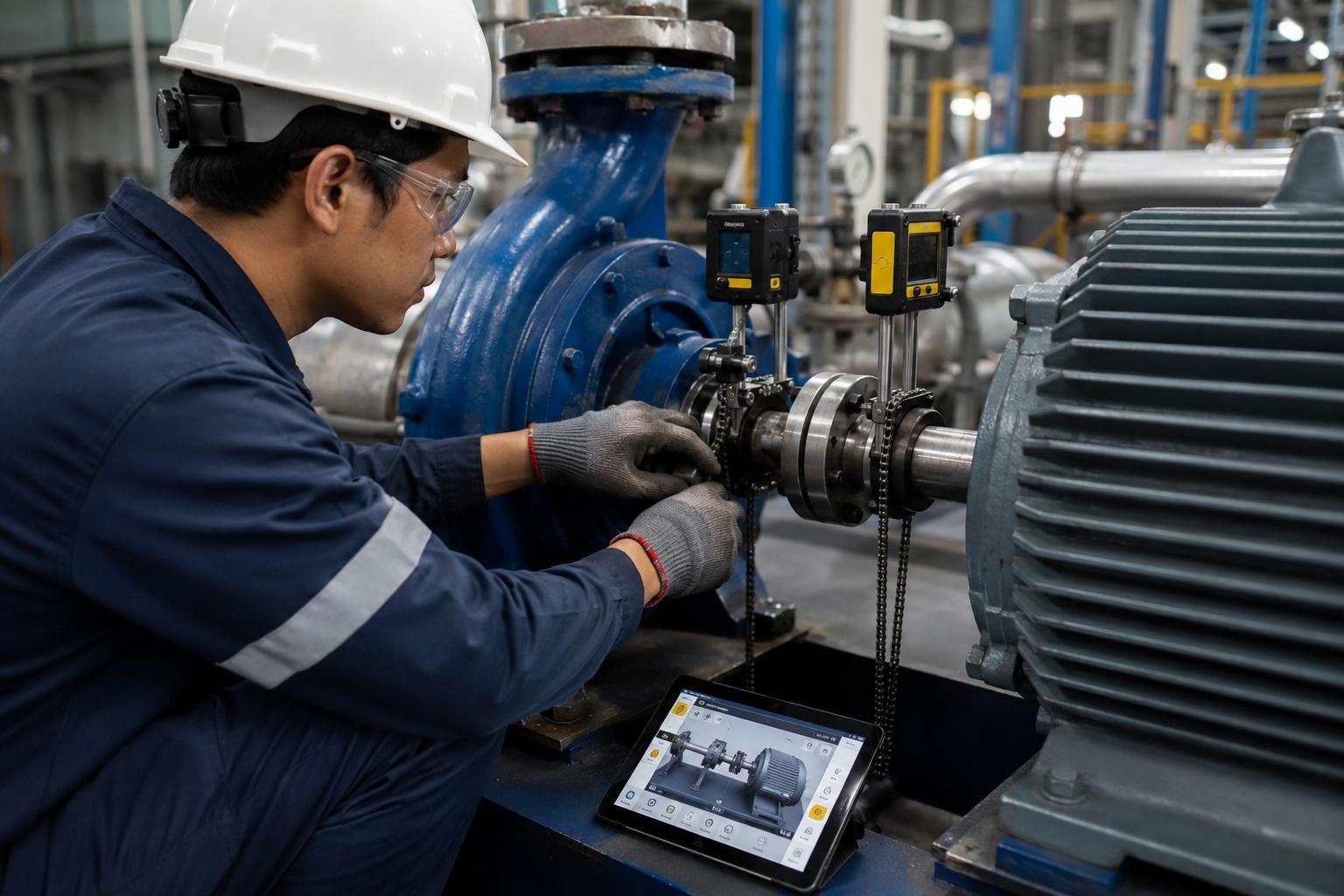
This issue is commonly observed in equipment such as pumps, electric motors, conveyors, compressors, fans, and gear systems. Even slight misalignment in these machines can lead to persistent vibration, especially during continuous operation in industrial environments.
In Philippine manufacturing and processing facilities, where equipment often runs for long production hours, these issues can gradually worsen if left unchecked. Continuous vibration can increase wear on bearings, shafts, and other moving parts, reducing overall equipment efficiency and lifespan.
To correct alignment issues, experts often use laser shaft alignment tools designed for precise adjustments on rotating equipment. Alongside routine balancing and condition monitoring, these tools help ensure machinery operates within stable vibration levels and maintains long-term reliability.
Electrical Faults and Power Fluctuations
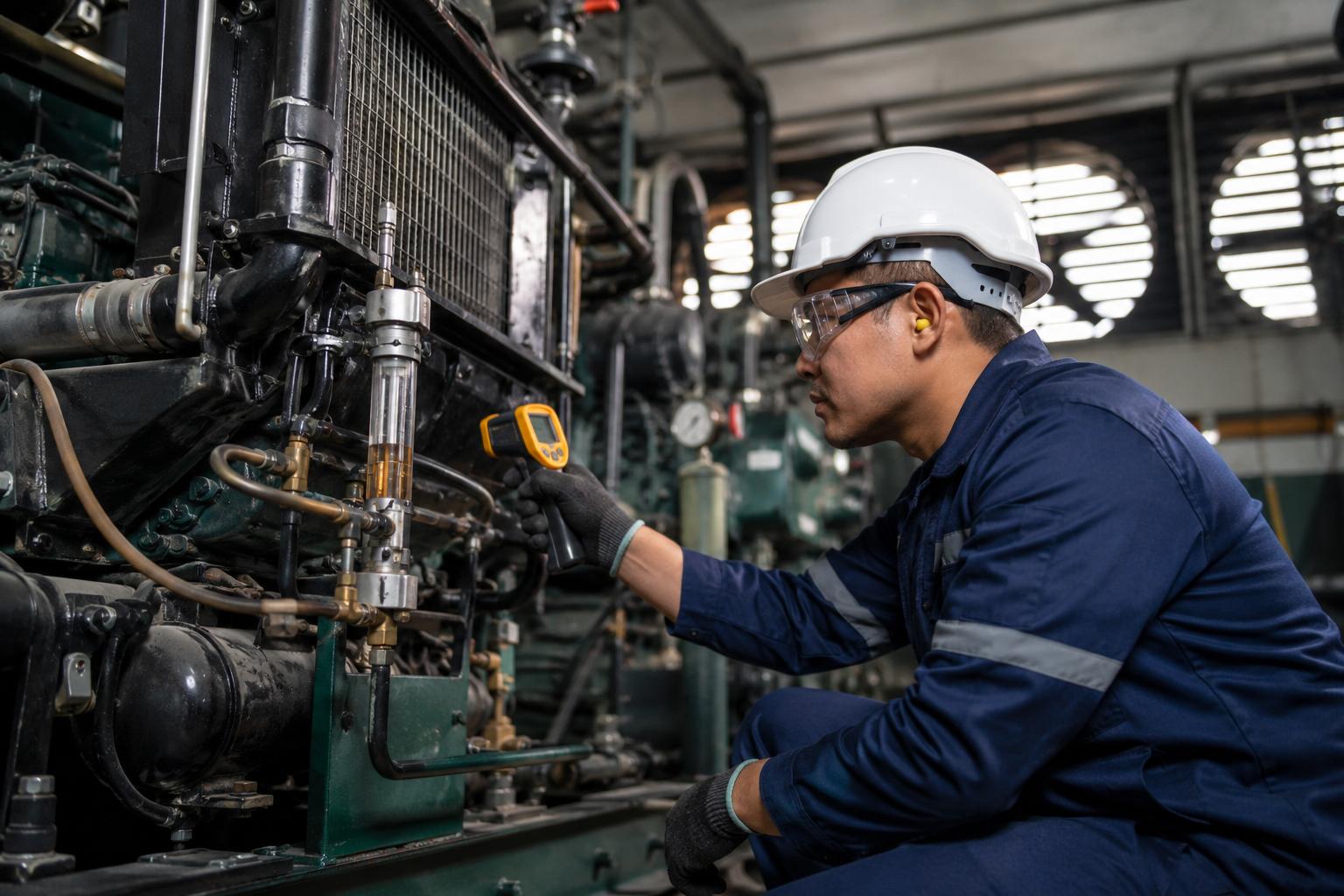
Electrical faults and power fluctuations are often external factors that industrial machinery cannot fully control, yet they can significantly affect performance and reliability. Sudden changes in voltage, power interruptions, or unstable supply conditions can disrupt sensitive equipment and production systems.
In Philippine industrial facilities, where power demand can fluctuate across manufacturing zones and operating schedules, these disturbances may place additional stress on motors, drives, and control systems. Even brief inconsistencies in power supply can affect overall machine stability.
Experts often use protective systems such as voltage regulators, surge protection devices, and monitored electrical panels to reduce these risks. These help stabilize power input and protect equipment from sudden electrical disturbances, supporting more consistent and reliable operations.
Lack of Operator Training and User Errors
As industrial systems become more advanced and automated, the level of skill required to operate them properly has also increased. Without proper training, even experienced operators may unintentionally make mistakes that affect equipment performance and efficiency.
Over time, these small errors can place unnecessary strain on equipment and disrupt normal production flow. To address this, experts emphasize structured training programs, clear operating procedures, and proper onboarding for new equipment.
Working with experienced providers such as Industrial PH helps ensure proper implementation and correct operator usage, reducing errors and improving reliability. This also helps operators better understand the system’s functions and limitations, thereby supporting more consistent and efficient machinery performance.
Key Takeaway
Understanding how experts solve common challenges in industrial machinery is key to preventing costly disruptions and maintaining reliable operations. Building resilience requires the right partner for proper implementation.
Backed by certified engineers, Industrial PH helps clients move toward more automated and efficient production processes, improving productivity, efficiency, and profitability. From design and installation to maintenance, support is available at every stage.
For expert guidance and tailored solutions to your project requirements, contact our team today.