Why Does Preventive Maintenance Lower HVAC Downtime?
 April 4, 2026
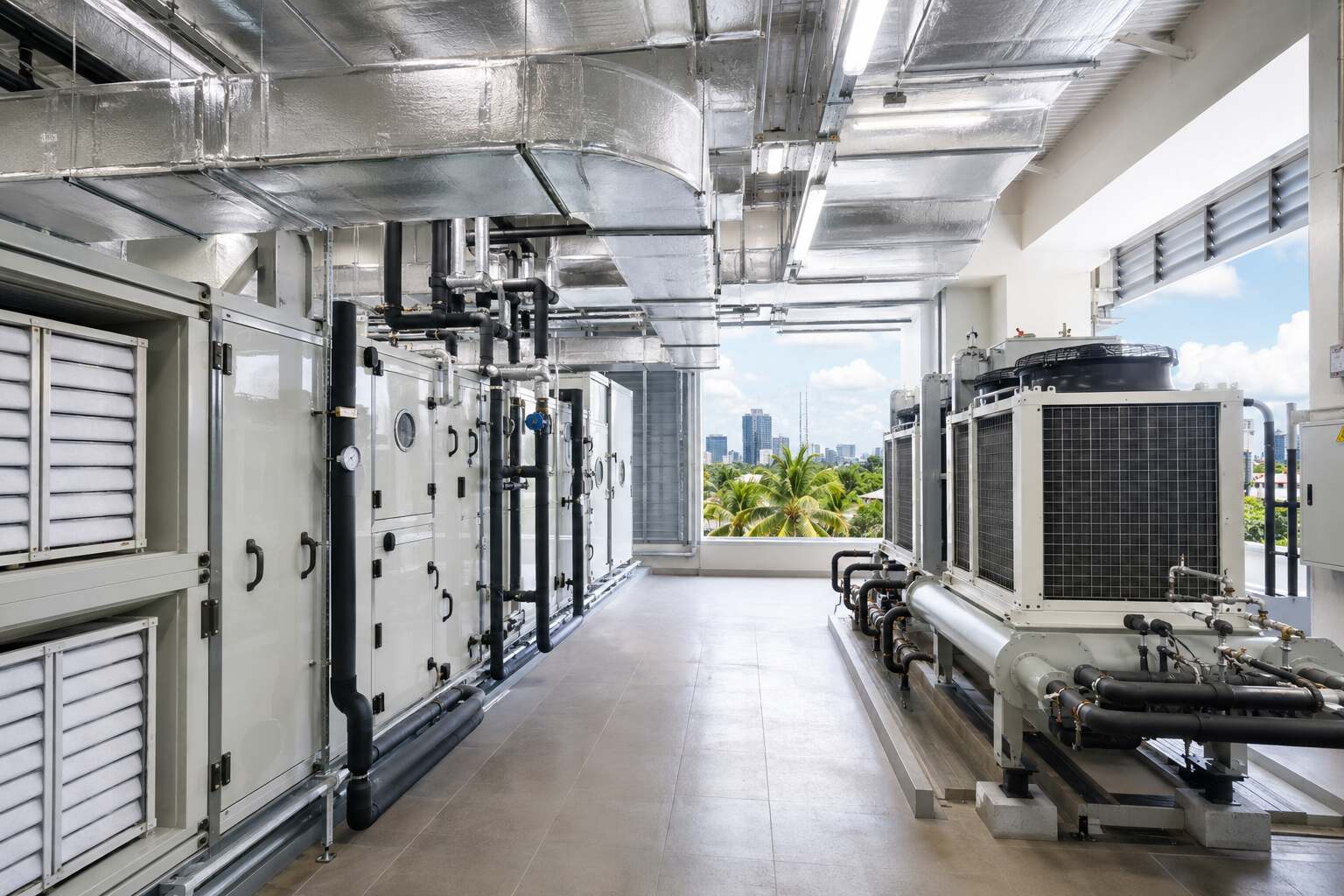
Why does preventive maintenance lower HVAC downtime?
- Detects minor issues before they become system failures
- Keeps airflow and heat transfer efficient
- Reduces mechanical stress on critical components
- Helps facilities schedule service before disruptions happen
- Extends equipment reliability over time
Overview
- Preventive maintenance helps lower HVAC downtime by identifying small issues before they turn into major system failures that disrupt facility operations.
- Routine servicing keeps airflow, heat transfer, lubrication, and component performance within proper operating conditions, reducing strain on HVAC equipment.
- With a planned maintenance program, facility managers and QA/QC supervisors can schedule repairs, replacements, and inspections during low-demand periods instead of reacting to emergency breakdowns.
- Partnering with an experienced industrial HVAC contractor ensures tailored maintenance strategies that optimize performance, lower costs, and support smooth facility operations in the Philippines.
Every minute of HVAC downtime can disrupt industrial and commercial operations, delay production, and increase repair costs. For facility managers and QA/QC supervisors, keeping HVAC systems reliable is essential to maintaining safe, stable, and efficient operations.
Preventive maintenance lowers HVAC downtime by keeping equipment in good working condition before problems escalate. Through regular inspections, cleaning, lubrication, performance checks, and planned servicing, facilities can reduce unexpected failures and keep HVAC systems operating reliably.
Working with an experienced industrial HVAC contractor also helps ensure that maintenance schedules are suited to the facility’s operating conditions, equipment type, and performance requirements.
Detects Minor Issues Before They Become Failures
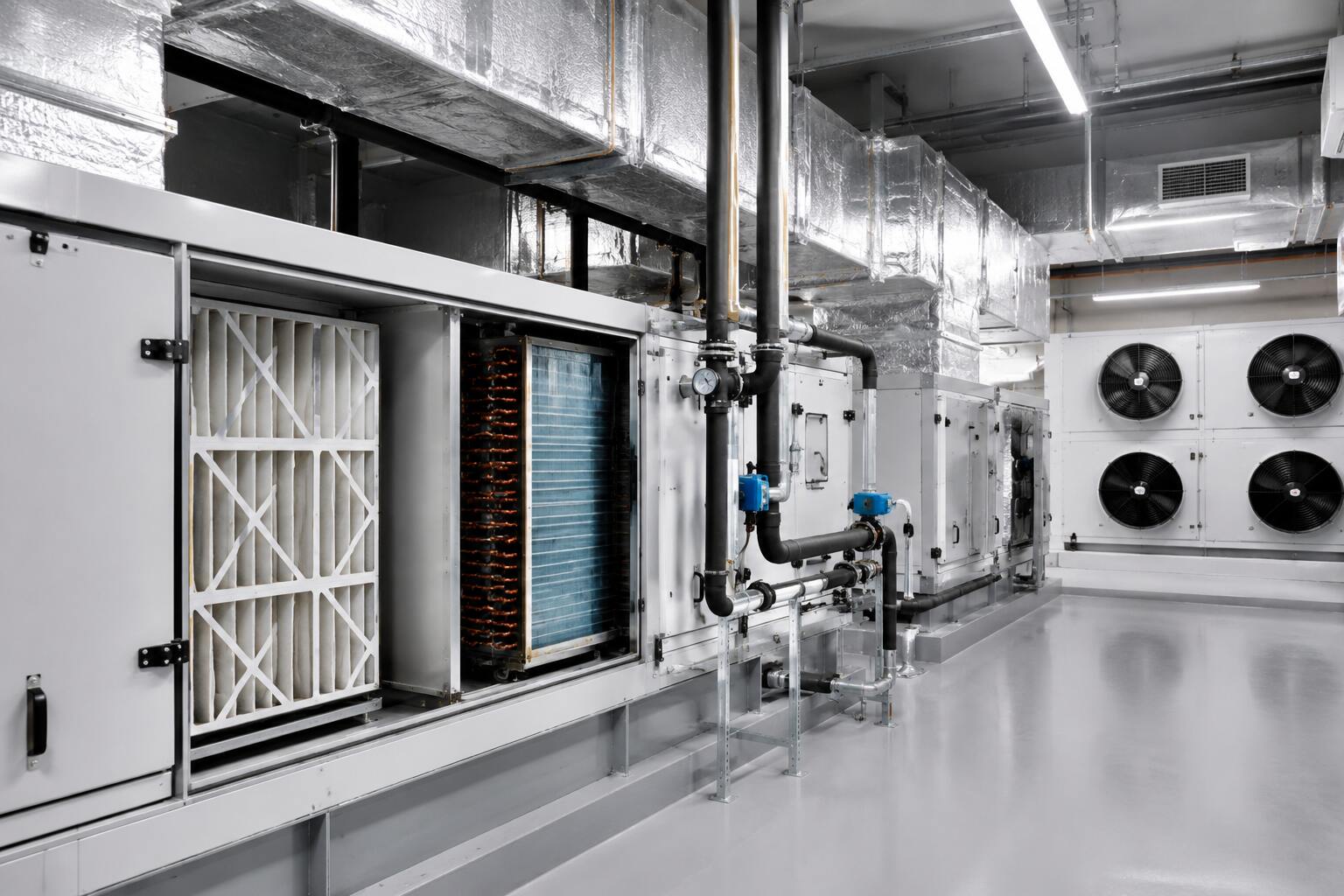
Regular inspections help facility teams detect worn components, refrigerant leaks, airflow restrictions, and other minor issues before they develop into major HVAC breakdowns. Addressing these problems early can reduce downtime, minimize repair costs, and prevent operational losses.
Best Practices
- Electrical and Mechanical Checks: Inspect electrical wiring and piping connections for faults that could cause fires or equipment failures. Examine belts, fans, compressors, and bearings for wear, and lubricate moving parts to reduce friction. These practices should be conducted quarterly, with deeper inspections performed annually for industrial and commercial facilities.
Maintains Proper Airflow and Heat Transfer
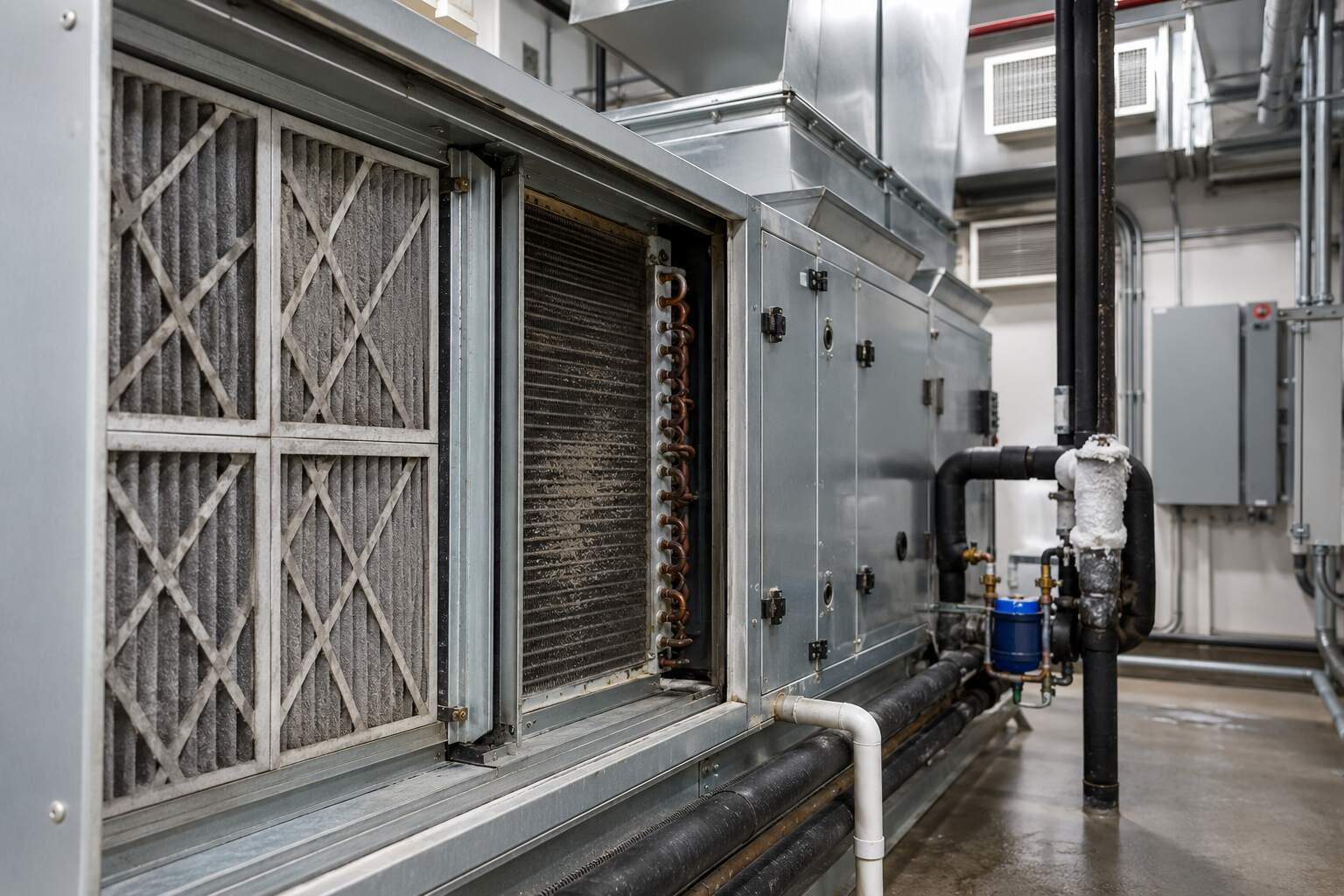 HVAC systems depend on proper airflow and heat transfer to operate efficiently. When filters are dirty, coils are clogged, drain lines are blocked, or airflow is restricted, the system has to work harder to maintain the required temperature. This added strain can lead to overheating, compressor stress, reduced cooling capacity, and eventual downtime.
Preventive maintenance helps keep filters, coils, drains, and ventilation paths clean and functional. By maintaining proper airflow and heat exchange, facilities reduce the risk of performance issues that can force HVAC systems offline.
Best Practices
- Filter Replacement: Replace or clean air filters every 1 to 3 months to prevent airflow restrictions that make motors and compressors work harder than necessary. In humid or dusty settings, check filters monthly and adjust the replacement schedule as needed.
- Coil and Drain Cleaning: Clean evaporator and condenser coils quarterly to remove buildup, improve heat transfer, and prevent overheating. Clear drain lines during each service to prevent water backups that strain pumps and risk electrical shorts.
Reduces Mechanical Stress on Critical Components
HVAC downtime often happens when critical components are forced to operate under excessive stress. Motors, compressors, fans, belts, bearings, and pumps can wear out faster when systems run with poor lubrication, airflow restrictions, dirty coils, or imbalanced loads.
Preventive maintenance reduces this stress by keeping moving parts lubricated, checking component alignment, monitoring operating conditions, and correcting problems before they cause failure. This helps HVAC systems run more smoothly and reduce the likelihood of sudden breakdowns during critical operating hours.
Best Practices
- Lubrication and Component Checks: Lubricate moving parts, inspect belts and bearings, and monitor abnormal vibration or noise. These steps help reduce friction, prevent premature wear, and support reliable operation.
Enables Planned Servicing Instead of Emergency Repairs
One of the clearest ways preventive maintenance lowers HVAC downtime is by giving facility teams control over when service happens. Without a maintenance plan, repairs are often reactive, urgent, and disruptive. Equipment may fail during peak operating hours, forcing rushed service and unexpected downtime.
Preventive maintenance allows facilities to schedule cleaning, repairs, replacements, and upgrades during planned production downtime or low-demand periods. It also helps teams allocate maintenance budgets more efficiently because service needs become more predictable.
System alerts, service logs, and basic monitoring tools can also help flag abnormal temperatures, pressures, or operating patterns. This allows facility teams to address potential problems before they become sudden system failures.
As a trusted partner in HVAC solutions, Industrial PH provides tailored HVAC maintenance services focused on equipment inspection and performance optimization.
By addressing mechanical stress early, Industrial PH helps facilities extend equipment lifespan and maintain reliable HVAC operation in Philippine industrial environments.
Improves Long-Term Equipment Reliability
Preventive maintenance does not just address immediate problems. It also helps extend the reliable operating life of HVAC equipment. When systems are cleaned, inspected, lubricated, and calibrated regularly, components are less likely to degrade prematurely.
This long-term reliability is important for facilities that depend on stable cooling, ventilation, or temperature control. A well-maintained HVAC system is less likely to experience repeated breakdowns, emergency repairs, and performance issues that disrupt daily operations.
Industrial PH supports this through HVAC maintenance services that help Philippine facilities keep systems reliable, reduce avoidable failures, and maintain consistent performance under demanding operating conditions.
Key Takeaway
Minimizing HVAC downtime through preventive maintenance is essential for reducing repair costs and ensuring smooth industrial operations.
Industrial PH provides comprehensive HVAC solutions—including design, installation, and ongoing system care. We are committed to helping your HVAC system operate efficiently throughout its lifecycle by supporting performance, extending equipment lifespan, and maintaining energy-efficient facilities.
Contact us today to learn how our certified engineers can optimize your facility’s HVAC performance.