Types of Fire Detection and Alarm Systems in the Philippines
 August 2, 2026
What are the main types of fire detection and alarm systems in the Philippines?
- Conventional FDAS
- Addressable FDAS
- Analogue Addressable FDAS
- Wireless FDAS
- Aspirating Smoke Detection Systems
Overview
- Different building layouts and operational risks require different FDAS options, from basic zone-based systems to precise addressable and early-warning detection systems.
- Procurement officers should compare system type, cabling requirements, alarm location accuracy, integration needs, maintenance access, and long-term support before selecting a supplier.
- Choosing a system based only on initial cost may lead to nuisance alarms, slow troubleshooting, incomplete coverage, or expensive retrofits after installation.
Fire detection and alarm systems are not one-size-fits-all. A small office, a warehouse, a food production facility, and a high-ceiling industrial area may all need different detection layouts, devices, wiring strategies, and response features. For procurement officers researching types of fire detection and alarm systems in the Philippines, the goal is to match the system to the building’s fire risks, operating conditions, and maintenance capability.
Industrial PH provides fire detection and alarm systems in the Philippines designed to detect fire hazards quickly and alert occupants or response teams. This article explains the common FDAS options available for Philippine facilities and the procurement considerations that help determine which system fits a project best.
Conventional FDAS
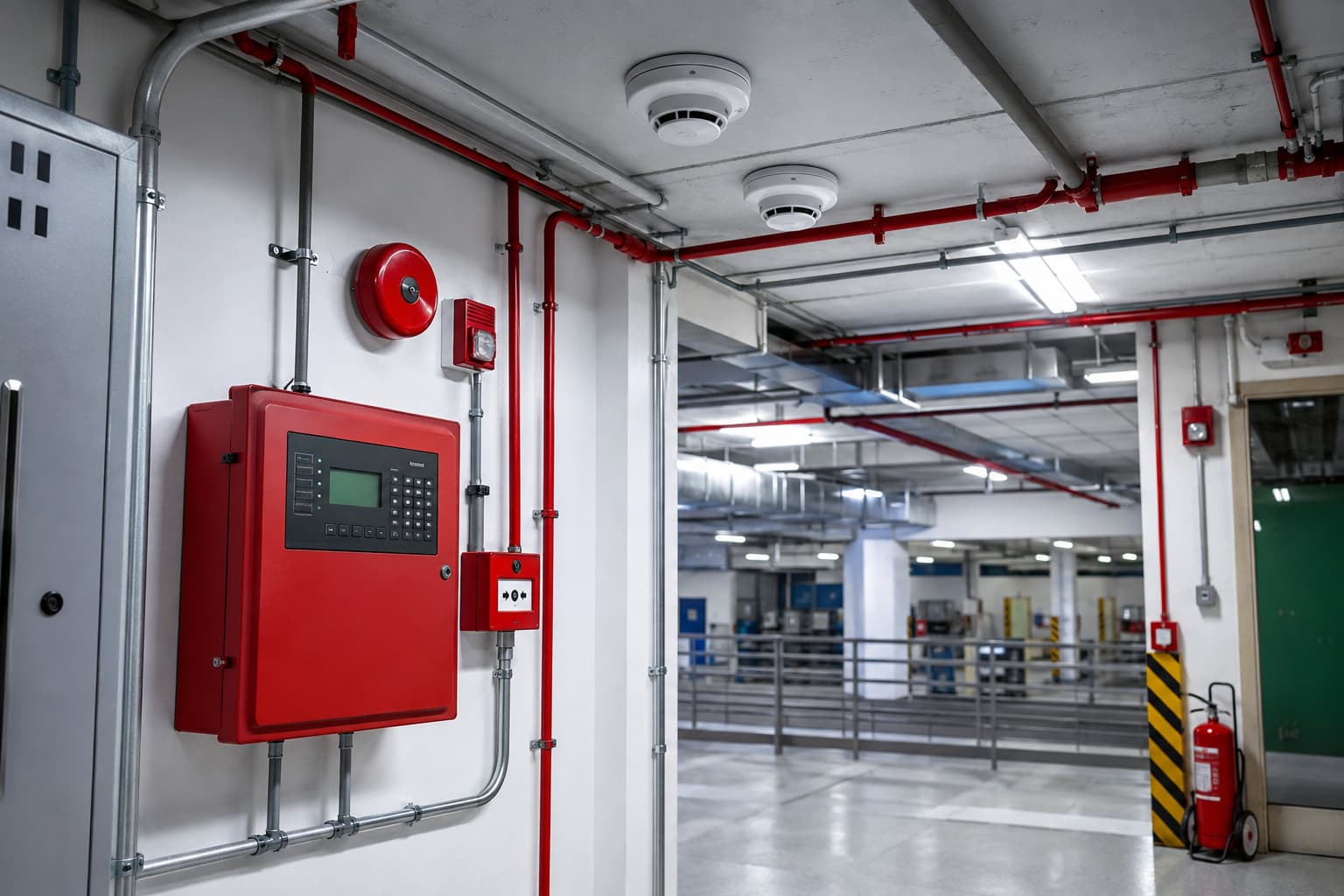
A conventional FDAS divides a building into zones. When a detector or manual station activates, the control panel identifies the affected zone rather than the exact device. This makes conventional systems practical for smaller facilities, simple layouts, low-rise buildings, and areas where broad zone identification is enough for response teams.
For procurement teams, conventional systems are often attractive because the design is straightforward and the initial installation cost may be lower than more advanced systems. However, the tradeoff is limited location detail. If a large production floor is assigned to one broad zone, facility staff may still need to search the area manually before identifying the triggered device.
Best Fit for Simple Zone Layouts
Conventional FDAS works best when the building can be divided into clear, manageable zones, such as small warehouses, utility rooms, office areas, and compact industrial spaces. Before procurement, confirm that the zoning plan supports fast evacuation and quick inspection after an alarm.
Procurement Check for Device Coverage
Ask the supplier to show the control panel, detectors, notification appliances, manual pull stations, and backup power in the bill of materials. A component-level review helps confirm whether the components of fire detection and alarm system match the planned zones and occupancy risks.
Addressable FDAS
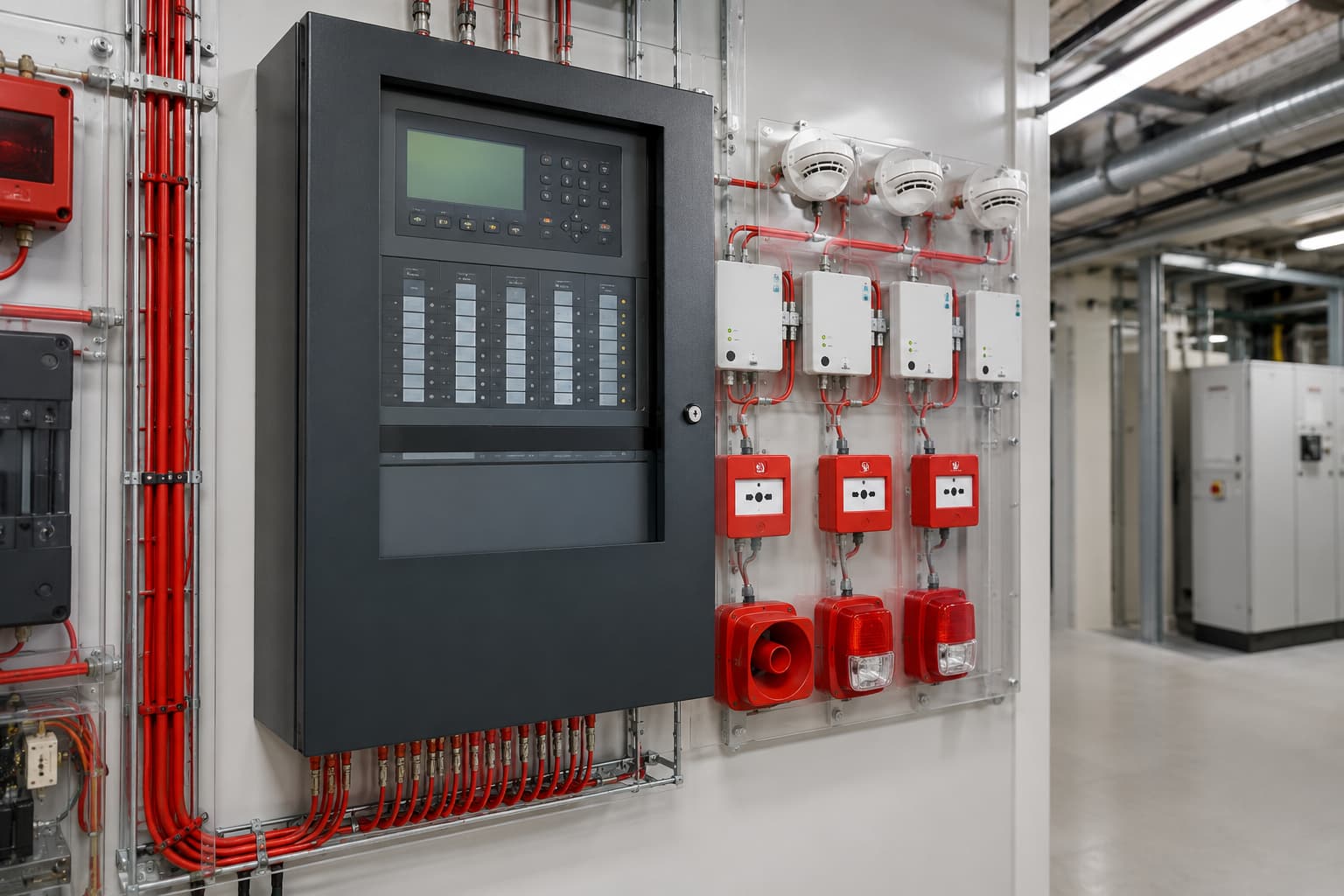
An addressable FDAS assigns a unique address to each detector, module, and device. When an alarm occurs, the panel identifies the specific device that is activated. This makes addressable systems useful for larger buildings, multi-level facilities, warehouses with multiple hazard areas, and industrial operations where emergency teams need faster location data.
Compared with a conventional system, an addressable system gives procurement officers better traceability and faster troubleshooting. The higher initial cost may be easier to justify when the facility has many rooms, long production lines, restricted zones, or areas where a delayed response can disrupt operations.
Best Fit for Larger or More Complex Facilities
Addressable FDAS is well suited for facilities that need device-level alarm reporting. It helps maintenance and safety teams locate the exact alarm source, isolate issues faster, and reduce time spent inspecting broad zones after every alarm event.
Procurement Check for System Integration
Confirm whether the addressable panel can integrate with notification appliances, sprinkler monitoring points, smoke control systems, elevators, access control, or building management systems when required. A well-specified fire alarm in the Philippines should support both detection and coordinated emergency response.
Analogue Addressable FDAS
An analogue addressable FDAS also identifies individual devices, but it can provide more detailed information about detector condition, smoke levels, temperature readings, device status, or system faults depending on the equipment used. This gives facility teams more visibility into what is happening before an alarm becomes a full emergency.
This type is useful for facilities where false alarms, difficult access, or sensitive operating conditions can affect productivity. For example, facilities with equipment rooms, clean areas, storage zones, or specialized production spaces may benefit from systems that provide status data and early fault indicators.
Best Fit for Facilities That Need More System Visibility
Analogue addressable systems are suitable when procurement teams want more than a simple alarm signal. Device condition data can help maintenance teams identify contamination, sensor faults, or abnormal readings before they become recurring alarm problems.
Procurement Check for Monitoring Features
Ask what real-time readings, fault reports, logs, and diagnostics the panel can display. Procurement officers should also confirm whether the supplier provides training so facility staff can interpret system alerts properly.
Wireless FDAS
A wireless FDAS connects detectors and devices to the control panel through wireless communication instead of extensive physical cabling. This makes it useful for retrofits, occupied facilities, temporary expansions, heritage buildings, or locations where conduit installation would be costly, disruptive, or difficult.
For procurement officers, wireless systems can reduce installation disruption and shorten upgrade timelines. They are especially useful when the building is already operating and shutdown windows are limited. However, the system still needs proper signal planning, battery management, device testing, and maintenance documentation.
Best Fit for Retrofits and Expansion Projects
Wireless FDAS is practical when a facility needs added detection coverage without opening walls, installing long conduit runs, or interrupting active operations. It can also support phased upgrades when the facility expects layout changes or future expansion.
Procurement Check for Reliability and Maintenance
Ask the supplier how wireless signal strength, battery status, device supervision, and system testing will be managed after installation. For safety planning, the system should also support clear alarm notification, evacuation coordination, and documented testing procedures tied to emergency response planning.
Aspirating Smoke Detection Systems
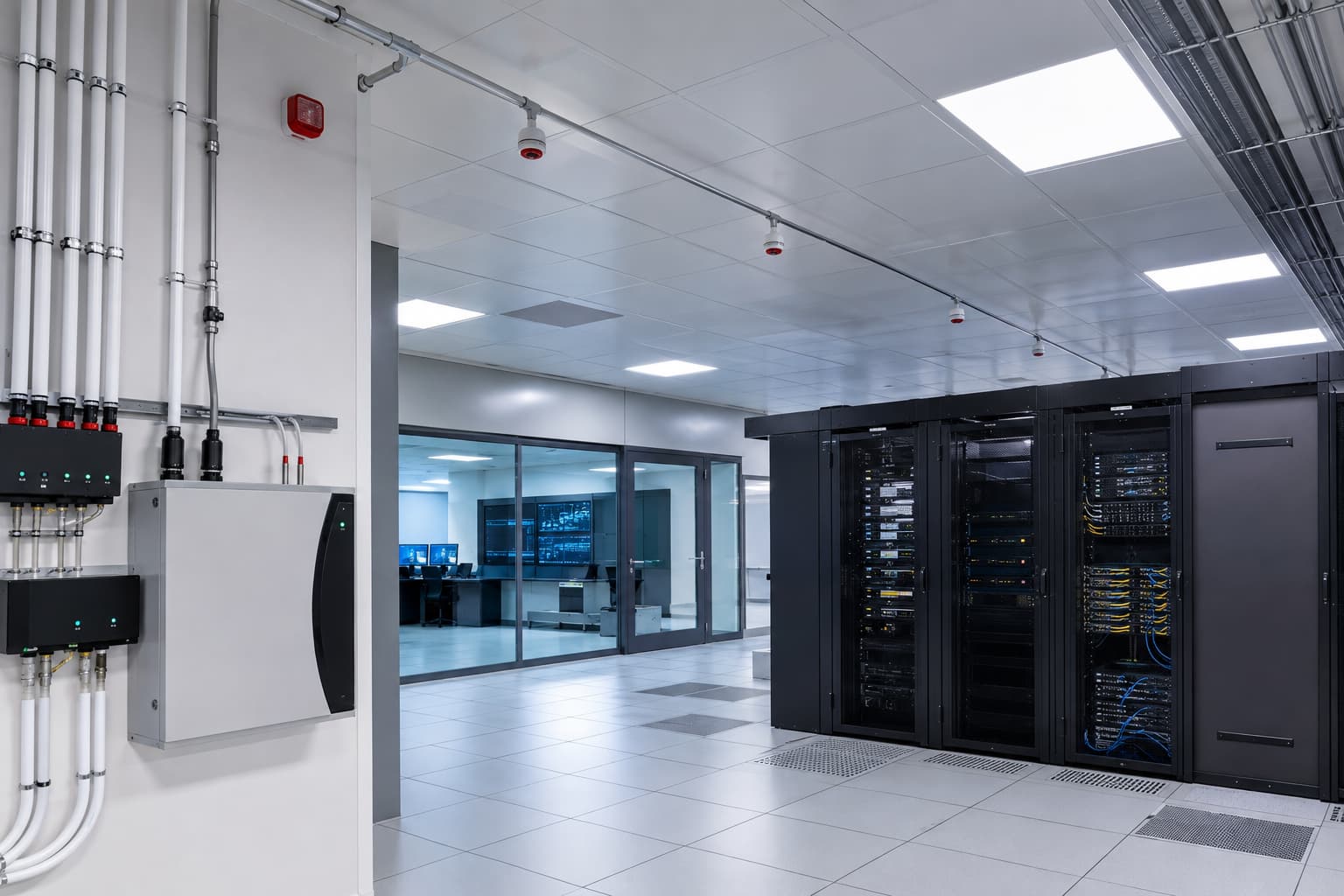
Aspirating smoke detection systems actively draw air samples through a network of sampling pipes and analyze the air for smoke particles. Because they can detect smoke early, they are often used in areas where standard smoke detectors may respond too late or may be affected by airflow, ceiling height, or sensitive equipment requirements.
This type is often considered for data centers, control rooms, museums, clean rooms, cold storage areas, high-ceiling spaces, or facilities where early detection is critical to protecting equipment, inventory, or business continuity. For industrial buyers comparing types of fire detection and alarm systems in the Philippines, aspirating systems should be evaluated based on risk sensitivity rather than lowest initial cost.
Best Fit for High-Risk or Sensitive Areas
Aspirating systems are useful where early warning matters, where smoke stratification may occur, or where access for detector maintenance is difficult. They can support faster intervention before a fire spreads to critical equipment or stored materials.
Procurement Check for Sampling Layout and Maintenance Access
Ask for the sampling pipe layout, detection sensitivity settings, maintenance requirements, and testing method. The design should be matched to airflow, ceiling height, protected asset value, and operational risk level.
Key Takeaway
The right FDAS depends on the building layout, hazard profile, operating schedule, response requirements, and maintenance capacity. Conventional FDAS may fit smaller zone-based layouts, while addressable and analogue addressable systems provide better location detail and diagnostics. Wireless systems help with retrofits and expansions, while aspirating smoke detection supports sensitive or high-risk areas that need early warning.
Before finalizing a purchase, procurement officers should compare initial cost, lifecycle maintenance, system compatibility, installation disruption, documentation, and supplier support. Contact Industrial PH today to check the right fire detection and alarm system fit for your facility before moving forward with your project plan.