Standard Alarm Sounds and Patterns of a Fire Detector
 August 8, 2026
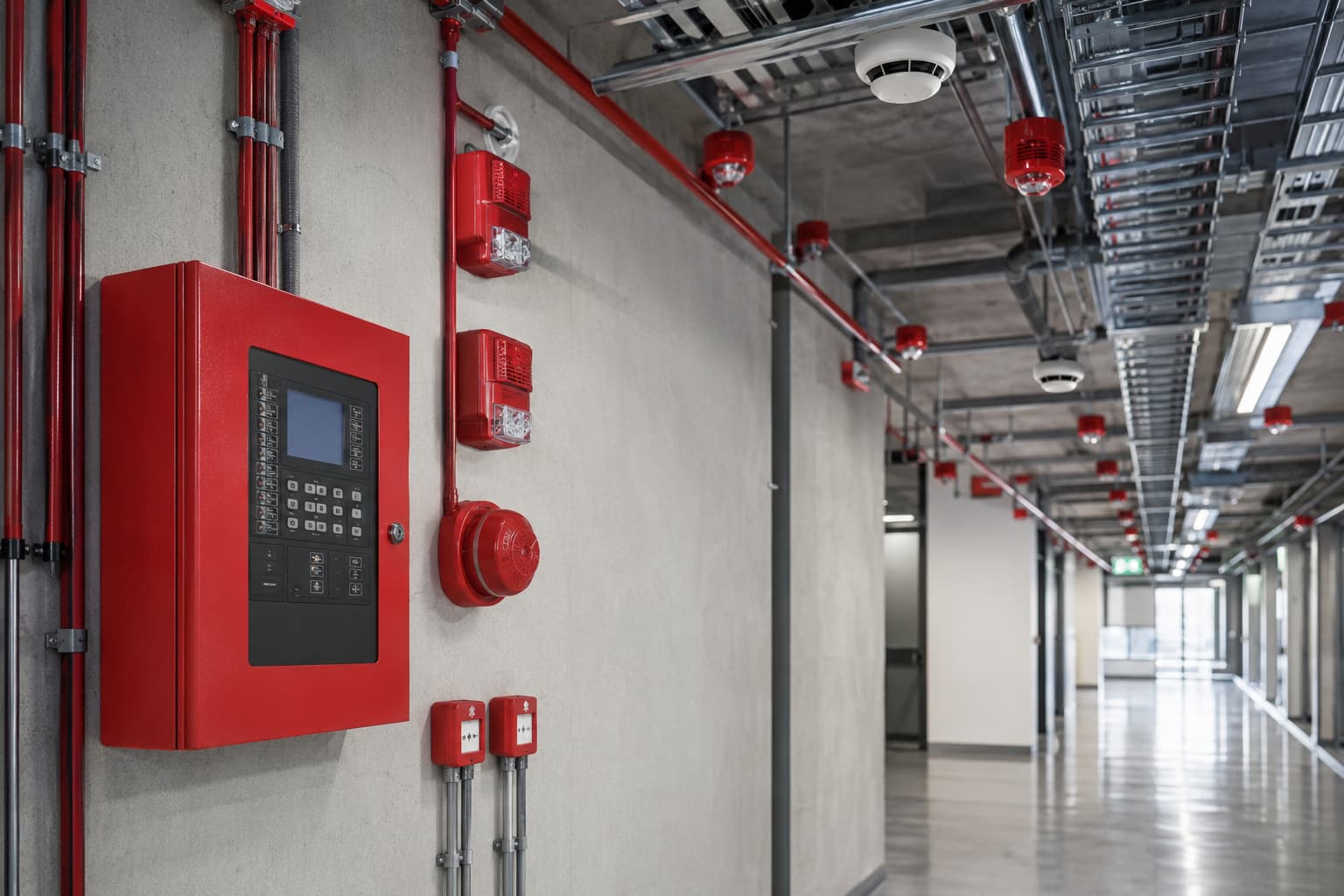
What are the standard alarm sounds and patterns of a fire detector?
- Temporal-Three Evacuation Signals
- Voice Evacuation Messages
- Supervisory and Trouble Signals
- False Alarm Patterns
- Maintenance Testing and Verification
Overview
- Fire detection systems use different audible, visual, and panel signals to separate evacuation alarms, local alerts, supervisory conditions, and system faults.
- Clear alarm patterns help occupants respond faster while helping facility teams avoid confusion during real alarms, drills, and maintenance events.
- For managing directors, alarm audibility, voice clarity, staff training, and maintenance verification should be treated as business continuity concerns, not only compliance requirements.
Fire alarms must communicate quickly in stressful conditions. A pulsed evacuation signal, steady local alarm, voice message, or panel alert can require a different response from building occupants, guards, maintenance teams, and emergency coordinators.
Understanding the standard alarm sounds and patterns of fire detector systems helps leaders reduce hesitation, prevent avoidable disruptions, and support faster emergency action.
Industrial PH supports fire detection and alarm systems in the Philippines through system design, installation, and maintenance for facilities that need reliable detection and clear notification. When evaluating a fire alarm in the Philippines, managing directors should look beyond the sound itself and assess whether the system clearly tells people what to do, where to respond, and when maintenance action is required.
Temporal-Three Evacuation Signals
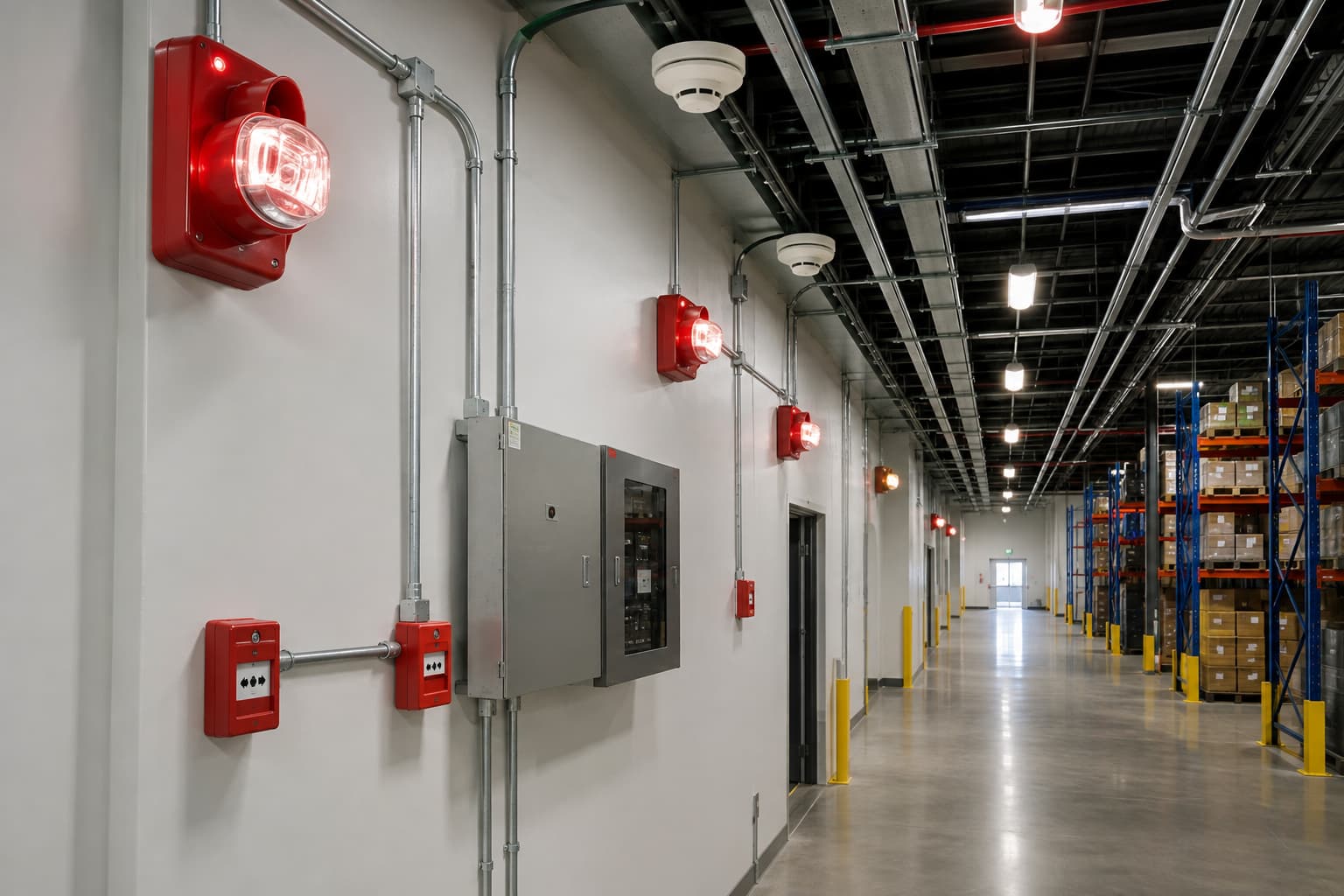
Temporal-Three is one of the most recognized evacuation alarm patterns. It uses three short pulses followed by a pause, creating a rhythm that stands apart from ordinary machine noise, paging tones, and routine building alerts. In industrial and commercial spaces, this recognizable cadence helps occupants understand that immediate evacuation may be required.
A compliance-ready fire alarm design should map where evacuation signals are needed, how notification appliances are zoned, and whether the alarm remains audible above normal operating noise. This matters in production areas, warehouses, parking structures, mechanical rooms, and other spaces where ambient noise can delay recognition.
Keep Evacuation Sounds Consistent
Consistent alarm cadence reduces the risk of hesitation. If one area uses a pulsed evacuation signal while another uses an unrelated tone for the same event, employees and visitors may wait for confirmation instead of acting immediately.
Confirm Audibility in High-Noise Areas
High-noise zones may require additional horns, strobes, speaker-strobes, or layout adjustments. During design and testing, the alarm must be checked from the actual occupied and process-critical areas, not only from the control panel or corridor.
Voice Evacuation Messages
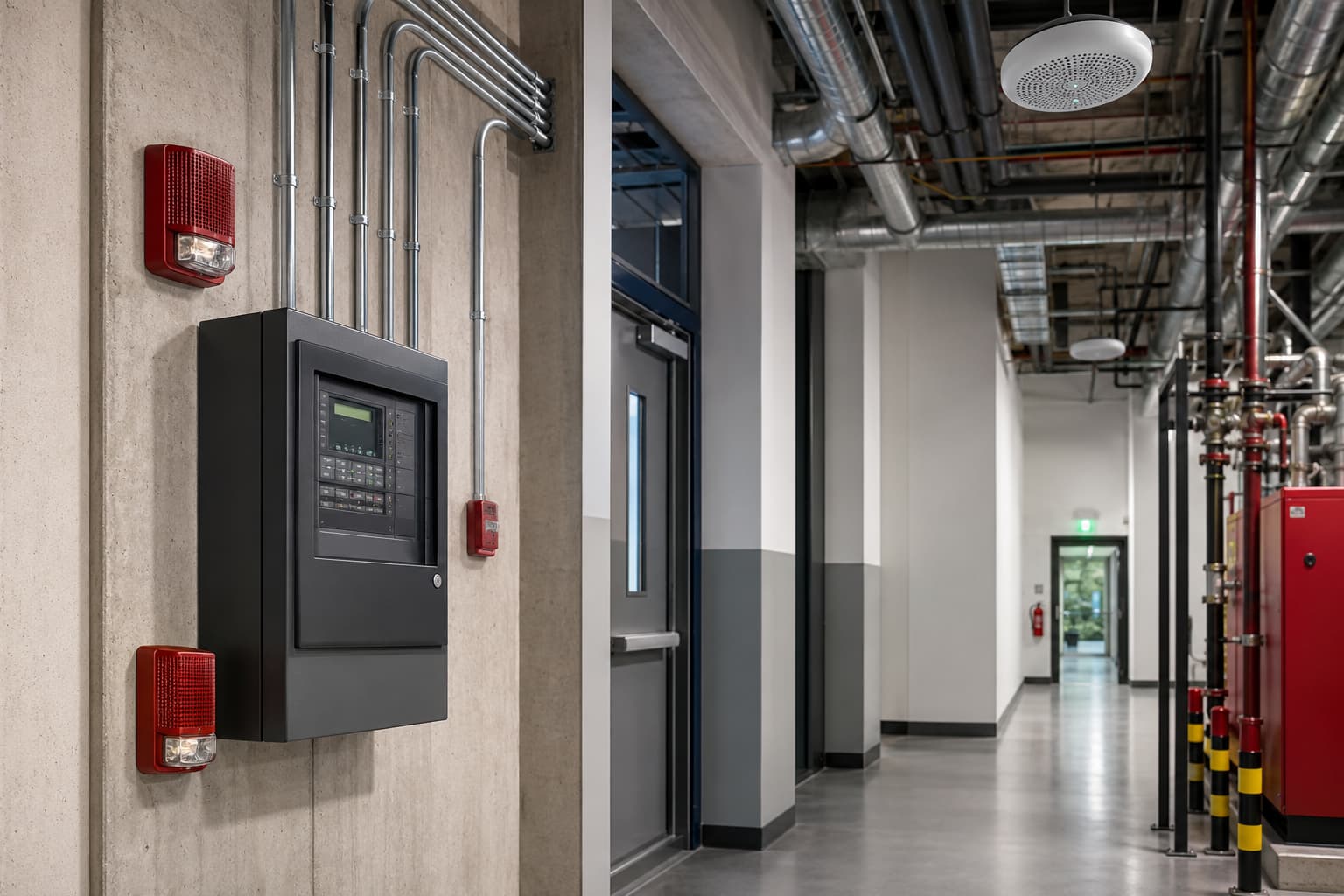
Voice evacuation systems add spoken instructions to alarm notifications. Instead of relying on tone recognition alone, the system can tell occupants whether to evacuate, use a specific exit route, avoid a zone, or wait for further instructions depending on the building response plan.
This is especially useful in large facilities, multi-level buildings, plants with controlled access points, or operations with visitors and subcontractors who may not know the site layout. For management teams, voice messages can reduce confusion and support a more orderly response during alarms and drills.
Use Zone-Specific Instructions
Zone-specific voice messaging helps avoid unnecessary movement in areas not affected by the initial alarm. In larger buildings, targeted instructions can help direct occupants to safe exits while giving facility teams more control over the emergency sequence.
Support Multilingual or High-Turnover Workforces
Facilities with mixed-language teams, rotating contractors, or high employee turnover should consider whether voice messages are clear enough for the people who will hear them. Alarm drills help confirm whether instructions are understood under realistic conditions.
Supervisory and Trouble Signals
Not every signal from a fire detection system means an evacuation alarm. Supervisory and trouble signals tell facility teams that part of the fire protection or alarm system needs attention, such as a device fault, panel issue, power problem, or monitored equipment condition.
These signals should be distinct from evacuation alarms so trained staff can respond correctly. When they are ignored, recurring system faults may hide real performance issues. When they are misunderstood, they can cause unnecessary escalation, confusion, or production interruption.
Separate Fire Alarm Response from System Fault Response
A clear response matrix should define who checks the panel, who verifies the affected device or zone, who contacts the service provider, and when evacuation procedures must be activated.
Train Security and Facility Teams on Panel Signals
Security guards, maintenance personnel, and shift supervisors often see panel alerts first. Training should cover the difference between alarm, supervisory, and trouble conditions so each alert leads to the correct action.
False Alarm Patterns
False alarms create operational friction because they interrupt work, trigger evacuations, delay production, and reduce confidence in the alarm system. In industrial facilities, nuisance alarms may come from dust, steam, humidity, process emissions, poor detector placement, or inadequate maintenance.
The key features to look for in fire alarm systems in the Philippines should include not only detection devices, but also proper zoning, environmental suitability, panel monitoring, and service support. The goal is to detect real fire conditions early without creating avoidable alarms from normal facility activity.
Control Dust, Steam, and Process Interference
Detector type and placement should match the environment. A detector that works well in an office corridor may not be suitable near washdown areas, production lines, kitchens, loading bays, or dusty storage zones.
Use Design and Maintenance to Reduce Nuisance Alarms
A better alarm pattern is not enough if the system is poorly matched to the site. Regular cleaning, sensitivity checks, device replacement, and proper detector selection help reduce repeat alarms while keeping early warning capability intact.
Maintenance Testing and Verification
Alarm sounds and patterns must be validated after installation and throughout the system life cycle. Maintenance testing confirms that horns, strobes, speakers, control panels, batteries, initiating devices, and communication paths still perform as intended.
For managing directors, this is a risk-control issue. A system that looks complete on paper may still fail to notify people clearly if devices are blocked, sound levels are weak, speakers are unclear, batteries are failing, or facility changes were not reflected in the alarm layout.
Verify Sound Levels Across Occupied Zones
Testing should confirm that alarm notification reaches occupied and high-risk zones, including remote rooms, mechanical areas, production floors, warehouses, and noisy workspaces. Results should be documented so weak coverage can be corrected.
Test Voice Clarity and Device Operation
Voice messages should be understandable, not just loud. Facility teams should test message clarity, device activation, panel indications, backup power, and alarm sequence behavior according to the site maintenance plan.
Key Takeaway
The standard alarm sounds and patterns of fire detector systems are more than warning noises. They are operating instructions that tell occupants when to evacuate, guide teams through voice messages, separate system faults from emergency alarms, and help maintenance teams verify that the system remains dependable.
Managing directors should evaluate alarm patterns as part of facility safety, business continuity, and operational risk management. Industrial PH can help facilities plan, install, and maintain fire detection and alarm systems with clear notification layouts, practical testing support, and long-term service guidance. Contact Industrial PH today to discuss the right alarm notification approach for your facility.