The Importance of Quality Control in Manufacturing
 July 17, 2025

Why is quality control important in manufacturing?
- Ensures product consistency
- Reduces defects and waste
- Enhances customer satisfaction
- Complies with industry standards
- Improves operational efficiency
Overview
- Consistent products set clear expectations for the customers. The more they see stable qualities in the items they buy, the more likely it is for them to continue purchasing the same products. Proper quality control helps in maintaining the precise elements they seek in each unit.
- Failure to meet quality control standards can result in significant inconveniences. Industry players need to implement the proper methods to ensure that they stay aligned with the guidelines and regulations set by government agencies.
- Industrial PH is a leading provider of QC solutions in the Philippines. With systems like the HEUFT PROFILER and the HEUFT Cybrigde.reciper, business owners can resolve issues in early manufacturing stages to prevent costly mishaps.
Quality control (QC) remains a central concern in manufacturing. A product’s performance reflects not only the company’s commitment to safety but also their brand’s credibility. When flaws go overlooked, they risk compromising the trust they’ve worked hard to establish. This makes it essential to uphold high standards throughout every stage of production.
The importance of quality control in manufacturing lies in its ability to prevent costly errors. With the right systems in place, manufacturers can detect issues early and maintain consistent output. Reliable providers like Industrial PH offer solutions designed to support this process. Let’s discuss why it matters in ensuring products are delivered in top condition.
Ensures Product Consistency
Consistency is vital in managing customer expectations and maintaining a strong brand image. Overlooking mistakes like faulty packaging can cause customers to avoid the product once it reaches the shelves. When a company releases a batch of flawed units into the market, it risks undermining its reputation for credibility.
Business owners can rely on advanced QC solutions like the HEUFT PROFILER to avoid this issue. This system monitors production data in real-time, detecting even subtle deviations before they affect uniformity. It ensures that each batch meets exact specifications by maintaining strict control over every item produced.
Reduces Defects and Waste
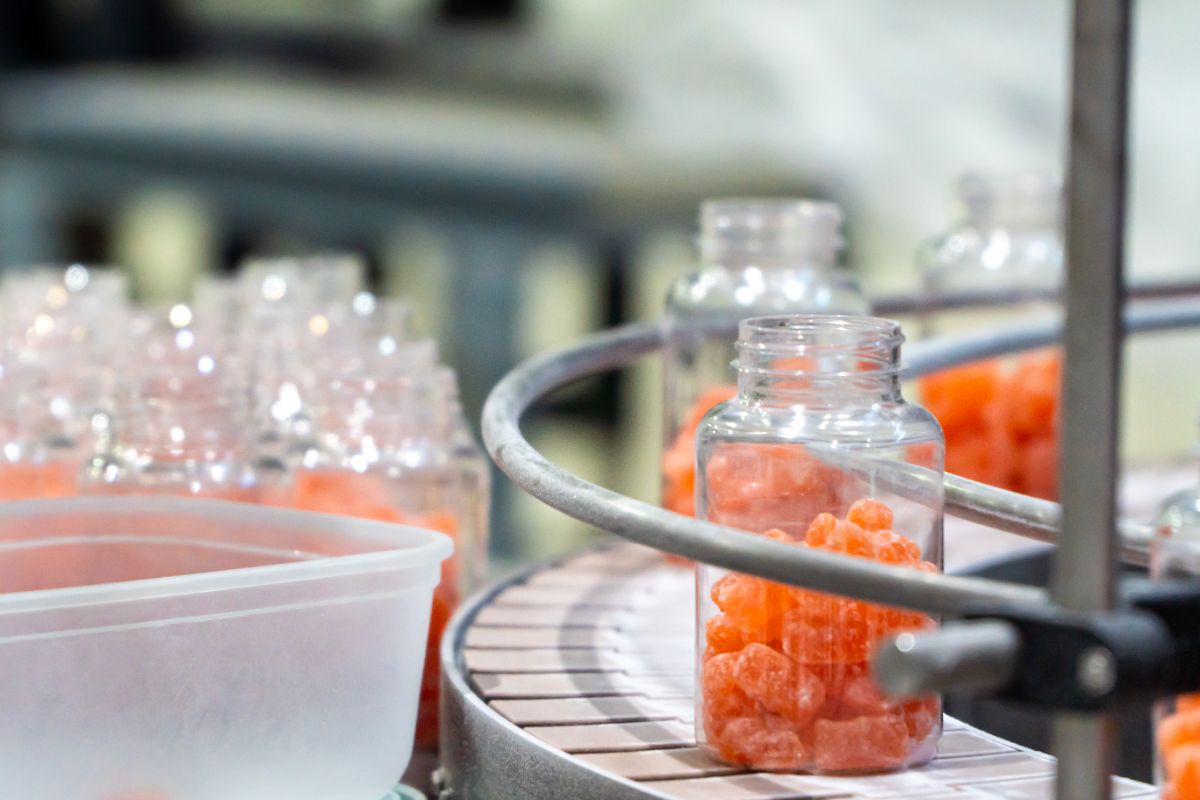
Flawed goods use up many resources, and companies end up wasting more of their reserves just to create a fresh batch of acceptable units. Issues such as scratches, misalignments, or incorrect labeling all compromise the product. This not only drives up material expenses but also impacts their operations’ efficiency.
Proper QC is crucial because it helps catch these issues in the early stages of manufacturing. Many modern technologies have built-in sensors and AI-powered detectors that prevent faulty items from progressing down the line. They help establishments address problems promptly, significantly reducing production costs.
Enhances Customer Satisfaction
When outputs consistently meet expectations, customers are more likely to trust the brand and become repeat buyers. Industry players can ensure that each product they release meets their target market’s standards by implementing effective QC measures. Automated systems like the HEUFT PROFILER analyze and identify defects promptly to ensure that only high-quality goods reach the customers.
Stable product qualities also create a professional impression for the market. Their consistency allows customers to know exactly what to expect from the brand. For this reason, manufacturers need to employ the appropriate quality control methods to uphold the same caliber in all of their units.
Complies with Industry Standards
In the Philippines, agencies such as the Food and Drug Administration (FDA) enforce strict laws related to the quality of consumable goods. They are established to ensure that every product is safe for consumption. QC allows companies to meet these requirements, helping them maintain strict standards for every unit they produce. It protects them from facing hefty fines for failing to adhere to established guidelines.
Systems such as the HEUFT PROFILER and HEUFT Cybrigde.reciper meet both local and international requirements. They are designed to comply with the OMAC and Weihenstephan standards, ensuring close compliance. These technologies provide real-time data to help companies address issues promptly. Through strict QC, they can protect themselves from facing legal complications.
Improves Operational Efficiency
Quality control makes sure small mistakes don’t progress into major disruptions down the line. When processes are closely monitored, issues that may prompt reworks or complete discarding are identified long before they can escalate. This keeps production flowing smoothly, boosting efficiency and productivity throughout operations.
A factory that uses in-line checks, for example, can immediately detect misalignments during bottling. Instead of halting the entire line later to resolve a batch-wide error, workers can make corrections on the spot. This saves them from producing hundreds of defective units, which would otherwise waste valuable time and effort on rework or disposal.
Key Takeaway
The importance of quality control in manufacturing cannot be understated. This process is essential in ensuring that every company upholds the highest standards of safety in each batch they produce. By implementing thorough processes, manufacturers reduce risks and gain valuable insights that guide their decision-making throughout production.
For industry players who are seeking reliable solutions, Industrial PH offers advanced systems tailored to your company’s needs. Our offerings are designed to optimize efficiency. With our cutting-edge technology and expert support, you can rest assured that you’ll experience fewer setbacks in your operations. Contact us today for more information on our solutions.