How HVAC Systems Affect Productivity and Comfort in Workspaces
 May 28, 2026
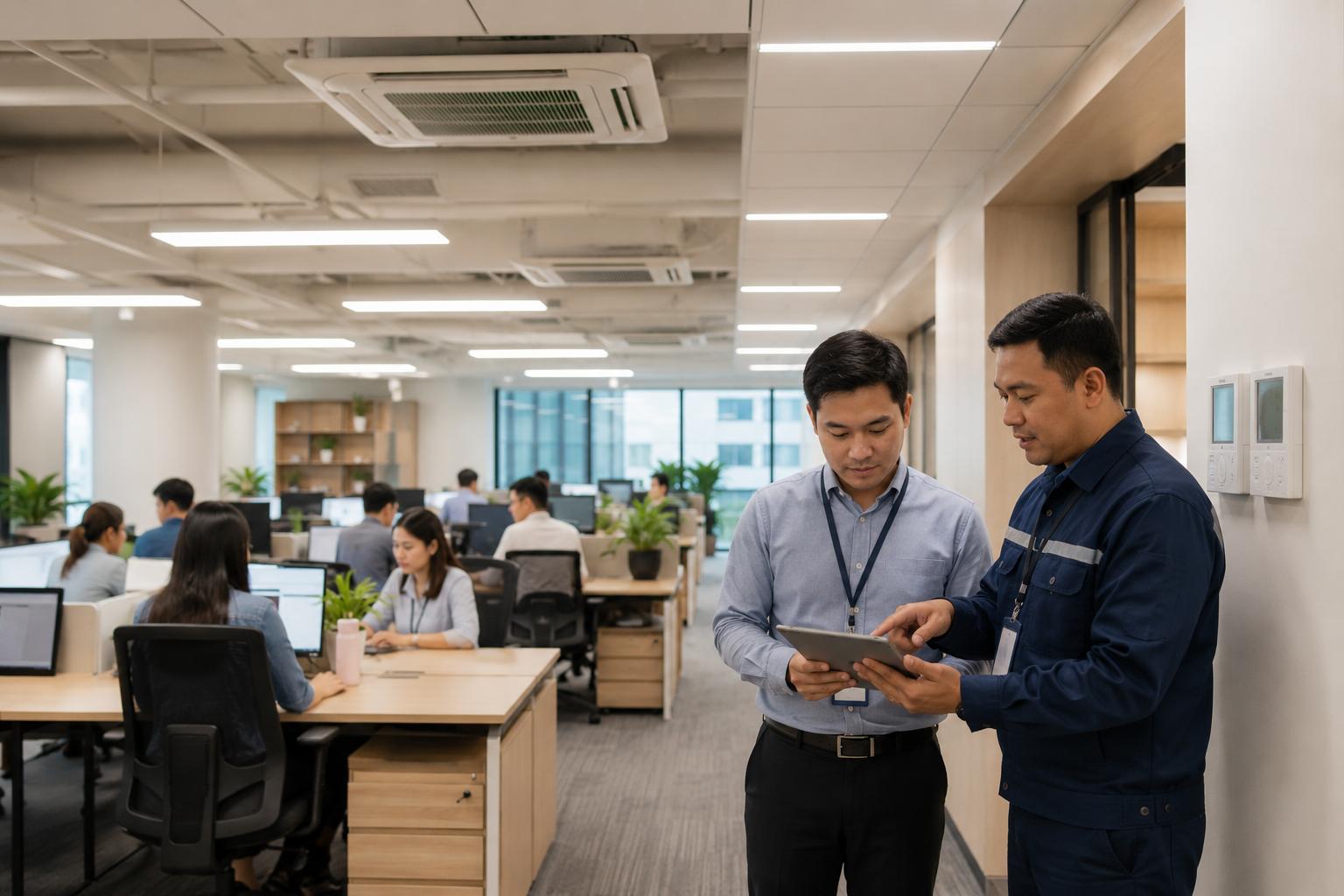
How do HVAC systems affect productivity and comfort in workspaces?
Overview
- HVAC systems heavily influence workspace productivity and comfort by regulating temperature, diluting carbon dioxide through ventilation, and managing humidity.
- Proper indoor climate control enhances cognitive performance, reduces sick days, and minimizes noise distractions.
- Facilities can optimize performance by upgrading thermostats, implementing zoning, and partnering with Industrial PH for regular preventive maintenance.
A workspace can look perfectly functional while still creating conditions that stifle employee performance through stagnant air, heat, or uneven temperatures.
This is where Heating, Ventilation, and Air Conditioning (HVAC systems) play a critical role by regulating temperature, moisture, and airflow. Discover how HVAC systems affect productivity and the comfort workspaces require to thrive.
How do HVAC systems affect productivity and comfort in workspaces?
- Cognitive performance and focus
- Ventilation and CO₂ dilution
- Humidity management
- Minimized sick days
- Noise distraction
Cognitive Performance and Focus
Temperature directly influences how employees think, concentrate, and complete tasks. When indoor conditions become too hot or too cold, the body uses more energy to regulate itself, leaving less capacity to maintain focus and productivity.
An effective climate control system maintains consistent temperatures by continuously adjusting cooling output based on workspace conditions. For example, during busy office hours when occupancy increases and internal heat rises, these systems automatically adapt airflow and cooling to prevent discomfort. Creating a stable indoor environment minimizes distractions from uncomfortable conditions, allowing employees to focus entirely on their responsibilities.
Ventilation and CO₂ Dilution
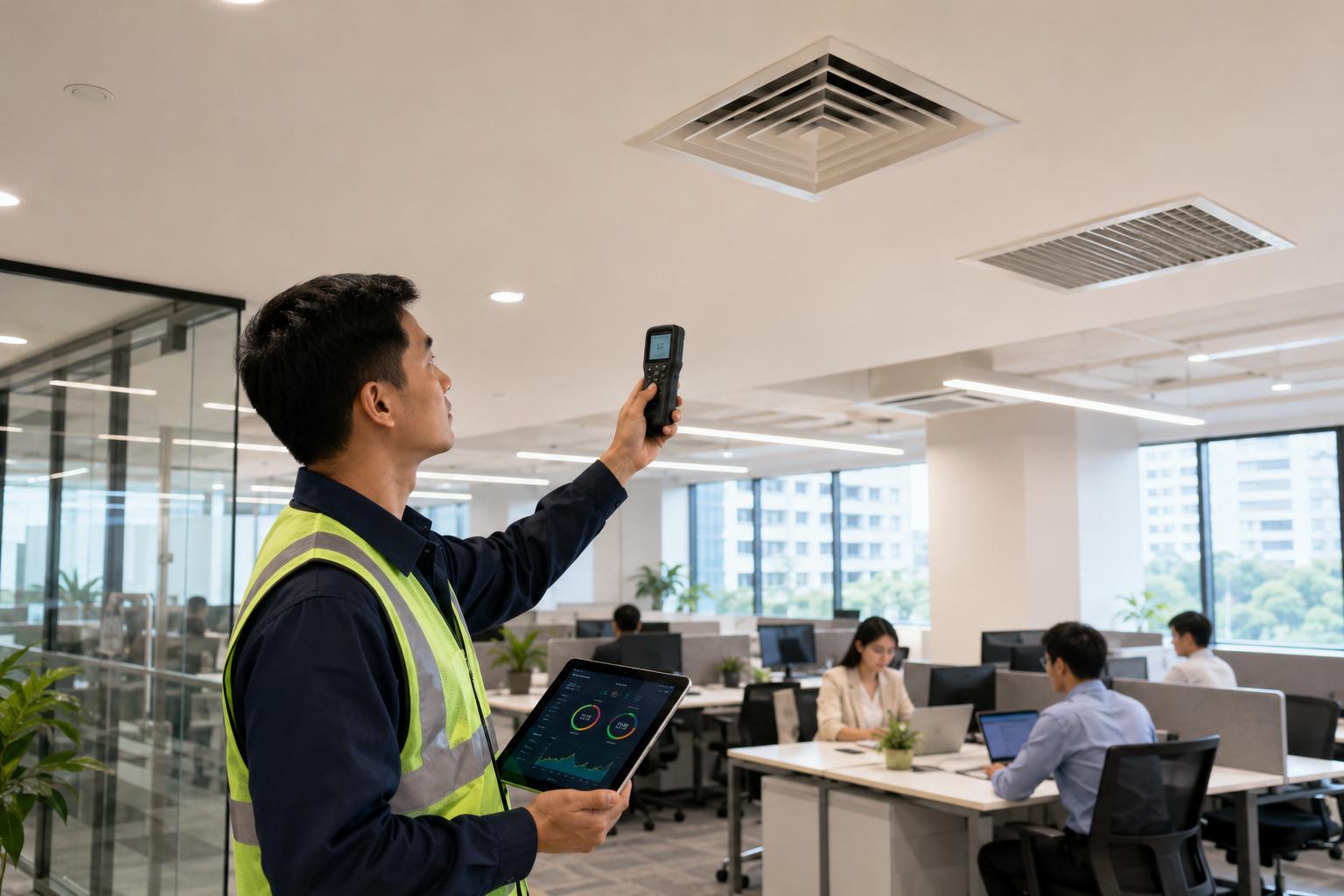
Comfort depends on more than just temperature; it also relies heavily on the quality of the air circulating within a workspace. Inadequate ventilation allows carbon dioxide (CO2) levels to rise as more people occupy enclosed spaces, frequently leading to fatigue, reduced alertness, and general discomfort.HVAC systems actively protect indoor air quality by continuously introducing fresh air and removing stale indoor air.
Proper ventilation design ensures that consistent air circulation dilutes accumulated (CO2), lingering odors, and other airborne contaminants that disrupt the workplace environment.
Humidity Management
Humidity levels significantly influence how comfortable a workspace feels. Excess moisture can make indoor environments feel warmer, encourage mold growth, and affect air quality, while overly dry conditions may cause discomfort such as irritated skin, eyes, or respiratory concerns.
HVAC systems help maintain balanced humidity by controlling moisture levels during the cooling process. As warm air passes through cooling components, moisture can be removed before conditioned air is distributed back into the facility. Proper control prevents excessive moisture buildup while maintaining an indoor atmosphere that feels comfortable for employees and suitable for sensitive equipment.
Minimized Sick Days
Indoor air conditions can influence employee health and workplace attendance. Poor ventilation, inconsistent air quality, and inadequate filtration may allow airborne particles and pollutants to accumulate inside occupied spaces.
A properly maintained HVAC system supports healthier indoor environments by continuously circulating air, filtering contaminants, and maintaining appropriate ventilation levels. Regular filter replacement and system inspections also help ensure that HVAC components continue performing effectively.
Noise Distraction
System performance also impacts workplace productivity through noise control. While cooling is necessary, poorly maintained equipment or improperly selected units produce excessive sound that disrupts conversations, meetings, and focused tasks.
Modern climate control solutions feature improved operational efficiency and inherently quieter components. Correct sizing and professional installation prevent machinery from running under constant strain, eliminating the loud operations and accelerated wear that typically distract employees.
Taking Action in Your Workspace
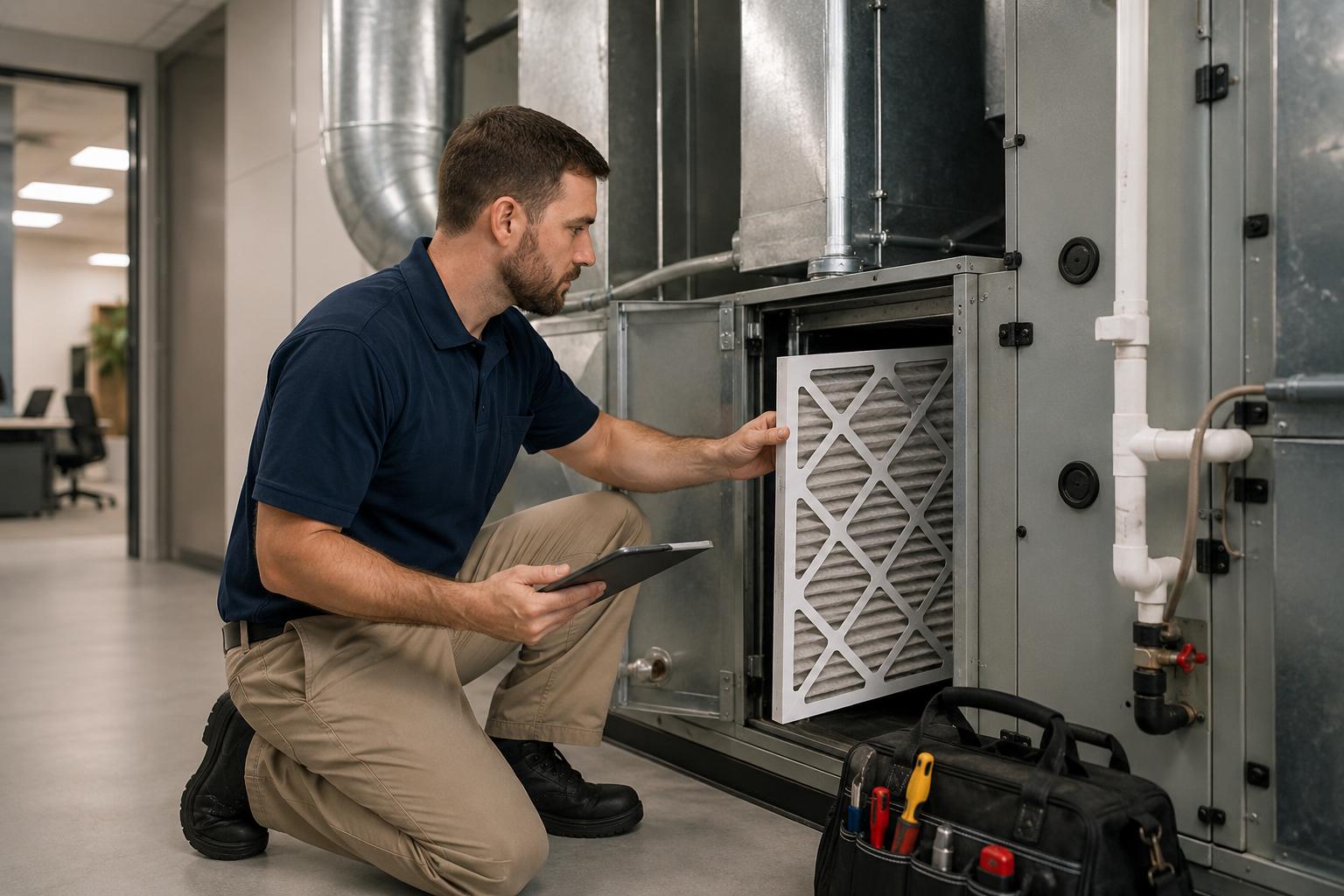
Improving workplace comfort does not always require replacing an entire HVAC system. In many cases, facilities can achieve better performance through targeted adjustments that improve how existing systems operate.
Upgrade Thermostats
Evaluate your current thermostat controls and determine whether they provide accurate monitoring and adjustment capabilities. Older thermostats may only provide basic temperature control, making it difficult to respond to changing occupancy levels or environmental conditions.
Implement Zoning
Divide your facility into separate temperature zones based on usage, occupancy, and cooling requirements. Different areas often have different environmental needs, such as meeting rooms, workspaces, equipment areas, and storage locations.
Schedule Maintenance
Regular HVAC maintenance is essential for maintaining consistent performance. Dust buildup, clogged filters, refrigerant issues, and worn components can reduce cooling efficiency and affect indoor air quality. To address this concern, create a preventive maintenance schedule that includes filter replacement, system inspection, airflow checks, and equipment performance testing.
Partner with a Trusted HVAC Contractor in the Philippines
Improving workspace comfort requires a partner who can accurately assess your facility’s layout and align engineering choices with your operational goals. Industrial PH brings specialized expertise to designing and implementing commercial and industrial cooling systems.
Our tailored solutions directly resolve common headaches such as uneven temperature distribution, poor airflow efficiency, and energy surges. Partnering with our team ensures your systems are correctly selected, expertly installed, and fully optimized for long-term performance.
Key Takeaway
Understanding how HVAC systems affect productivity and comfort in workspaces helps facilities managers recognize that cooling systems influence more than just indoor temperature. Through proper ventilation, humidity control, airflow management, and regular maintenance, HVAC systems create healthier and more productive environments where employees can work efficiently.
Industrial PH provides reliable HVAC solutions for modern workplaces, commercial buildings, and industrial facilities. With expertise in cooling systems, ventilation solutions, and customized HVAC applications, we help businesses create comfortable, efficient, and dependable indoor environments. Contact us today to learn more.