Top Cooling Challenges Facilities Face in the Philippines
 February 16, 2026
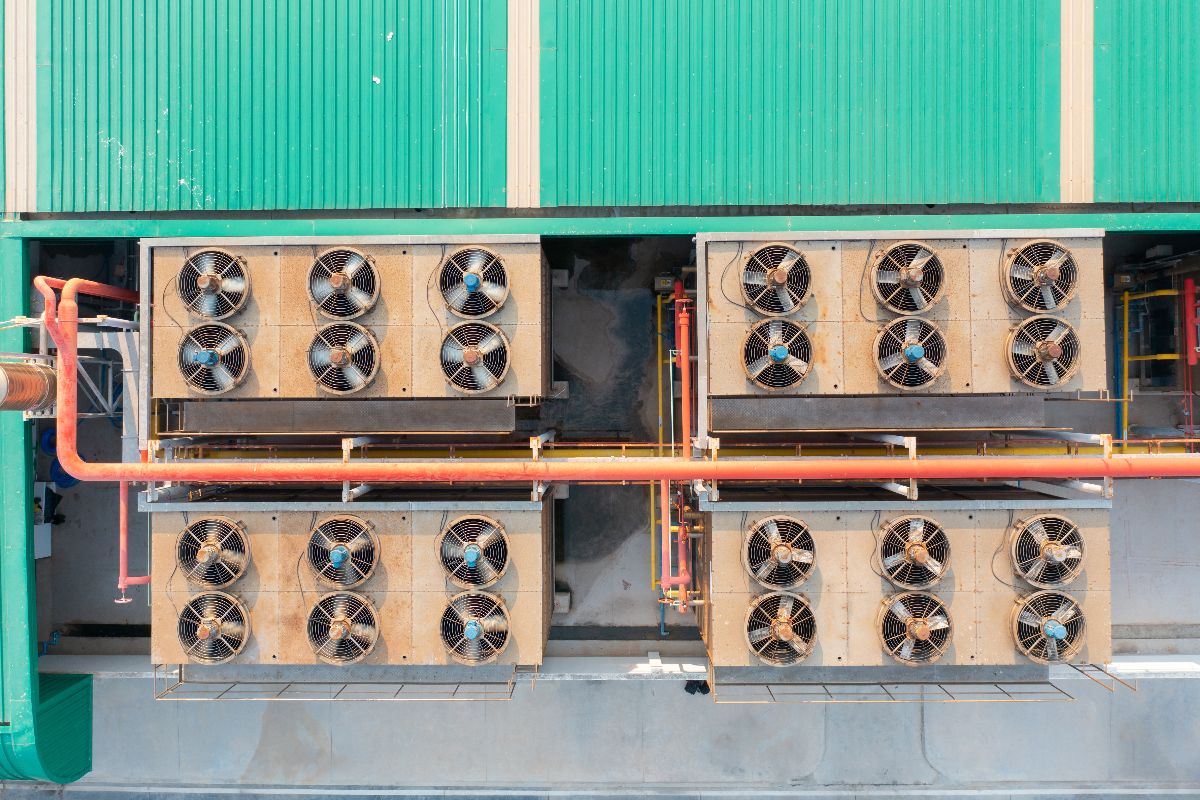
What are the top cooling challenges facilities face in the Philippines?
- High energy consumption and operational costs
- Grid reliability and power interruptions
- Infrastructure and space limitations
- Maintenance and health hazards
- Environmental and regulatory pressures
- Extreme heat and climate change
Overview
- The tropical climate and high humidity of the Philippines create unique cooling demands that can strain equipment and compromise the operational consistency of large facilities.
- Facilities face a combination of escalating energy costs, frequent power interruptions, space constraints, and health hazards from poor system maintenance, all compounded by rising temperatures and regulatory pressures.
- Understanding these specific cooling challenges allows facility managers to anticipate operational risks and make more informed decisions regarding resource allocation and long-term planning.
The Philippines’ tropical climate creates unique demands for facilities, making efficient cooling systems a critical concern. High humidity and fluctuating temperatures are common in the region, and these conditions, combined with energy-intensive operations, can place significant strain on equipment, affecting both performance and reliability.
These factors can compound into challenges that can significantly impact daily operations in many facilities. Recognizing these issues early helps you better understand their effects on productivity, maintenance, and overall operational efficiency.
To help you identify these risks, here are some of the cooling challenges that facilities in the Philippines face.
High Energy Consumption and Operational Costs
In tropical climates like the Philippines, cooling systems are in constant demand. Facilities often experience high electricity use during hot months, which can stress older or inefficient equipment.
This can result in uneven temperatures across production areas or storage rooms, sometimes leading to temporary workflow interruptions. You may notice that equipment cycles more frequently during peak heat periods, increasing operational strain.
Over time, these energy demands contribute to rising operational costs and can influence broader facility planning considerations. Understanding these patterns is important before evaluating potential system improvements.
Grid Reliability and Power Interruptions
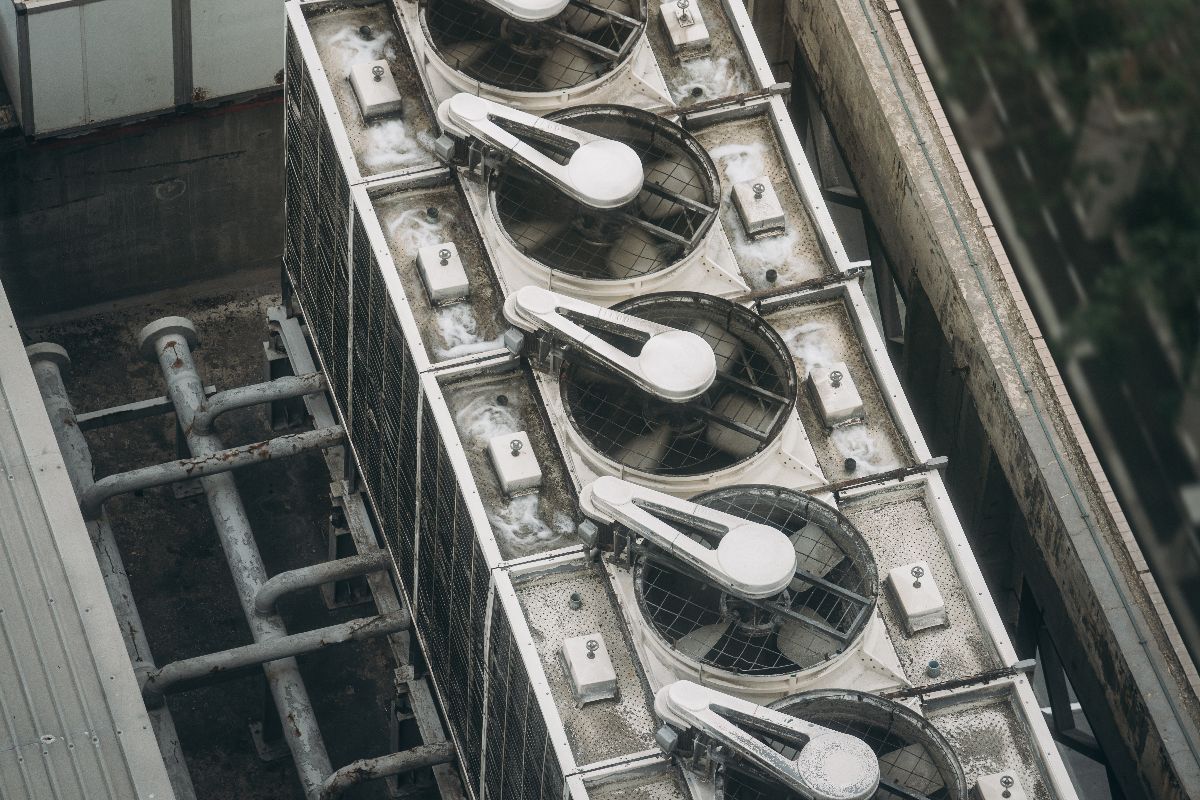
Facilities in the Philippines are exposed to frequent voltage fluctuations and occasional power outages. You may notice that certain cooling equipment cycles erratically or temporarily shuts down during brief interruptions.
Such interruptions can disrupt the maintenance of consistent temperatures, sometimes affecting sensitive products or production schedules. Operational teams might track more frequent short-term downtime during these events, reflecting stress on facility systems.
Understanding the nature and frequency of grid reliability issues helps frame operational risk for cooling-dependent processes. Being aware of these challenges is crucial before considering system improvements or contingency planning.
Infrastructure and Space Limitations
Urban and retrofitted facilities often have spatial constraints that affect how cooling systems are installed. You might notice that certain zones are consistently warmer because ducts or units cannot be positioned optimally.
These limitations can reduce airflow efficiency and create hotspots, impacting temperature uniformity. Staff may observe that some areas require closer monitoring or manual intervention to maintain operational consistency.
Awareness of space and infrastructure restrictions helps contextualize the challenges facilities face in maintaining consistent cooling. Noting these limitations early informs how facility layouts interact with system performance.
Maintenance and Health Hazards
Cooling systems require consistent upkeep to maintain airflow, remove condensate, and prevent biological growth. You may detect dust accumulation, mold presence, or reduced airflow in older units that have not been recently inspected.
Neglecting these factors can affect indoor air quality and equipment reliability, occasionally leading to workflow interruptions. Operational staff may notice recurring performance dips or uneven cooling as systems accumulate maintenance issues.
Being aware of these maintenance-related hazards helps you understand the operational risks that can affect both staff comfort and facility reliability. Recognizing patterns in system degradation is important before planning interventions.
Environmental and Regulatory Pressures
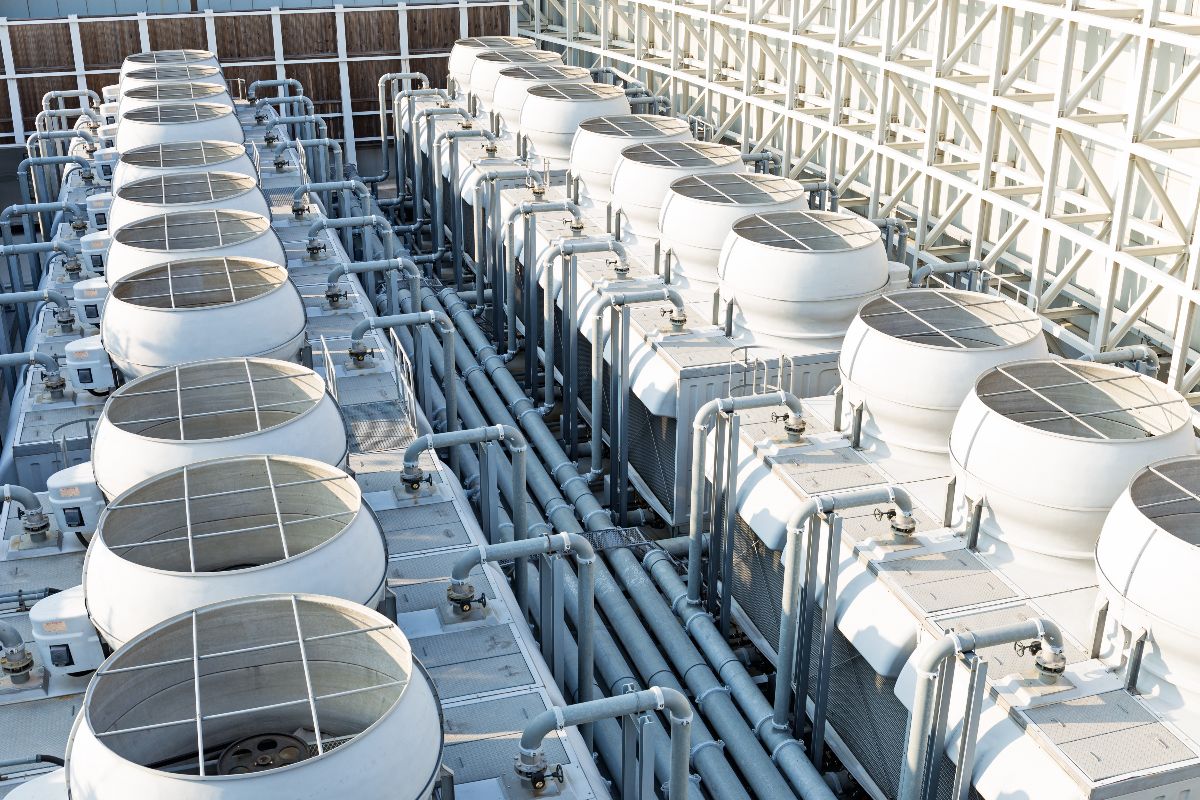
Facilities are subject to energy efficiency standards and environmental regulations that influence operational practices. You may observe that equipment performance metrics are increasingly monitored or recorded in compliance with local requirements.
These pressures can affect operational decisions, from energy allocation to scheduling maintenance or equipment rotation. Facility managers might track rising regulatory attention or audit frequency as part of their operational awareness.
Understanding the regulatory context allows you to grasp how environmental compliance interacts with day-to-day operations. Awareness of these pressures provides a foundation for informed decision-making later.
Extreme Heat and Climate Change
Rising temperatures and more frequent heatwaves increase cooling demands across facilities in the Philippines. You may notice that certain areas struggle to maintain set temperatures during prolonged heat events, impacting staff comfort and operational stability.
Higher ambient conditions can push equipment closer to design limits, sometimes resulting in temporary workflow adjustments or monitoring intensification. Teams may see increased cycling of units or fluctuations in storage temperatures during extreme heat.
Being aware of these climate-related impacts helps you understand how environmental factors influence cooling performance. Observing these trends early frames operational challenges without prescribing specific interventions.
What These Cooling Challenges Mean for Facilities in the Philippines
The cumulative effect of these cooling challenges can significantly influence daily operations and overall facility performance. You may notice that energy use, equipment strain, and environmental conditions combine to create persistent operational pressures.
The key impacts include:
- Increased Operational Costs: Inefficient cooling systems and high energy consumption can strain budgets.
- Operational Disruptions: Power interruptions and equipment failures can lead to downtime and lost productivity.
- Health and Safety Risks: Poor indoor air quality and inadequate cooling can affect employee well-being and productivity.
Discover the Ideal Cooling System for Your Facility at Industrial PH
At Industrial PH, we understand the unique cooling challenges that facilities in the Philippines encounter. We recognize how high humidity, energy demands, and operational constraints can affect equipment performance and workflow reliability.
Through our experience supporting facilities across the region, we provide insights into common cooling challenges and their operational impacts. By raising awareness of these factors, we help you better understand how cooling systems interact with your facility’s needs without immediately prescribing specific solutions.
Key Takeaway
By understanding the common cooling challenges that facilities in the Philippines face, you can now anticipate operational pressures and make informed decisions about future planning and resource allocation.
Ensure stable operations with Industrial PH’s reliable cooling solutions for large facilities. We provide systems designed to address common cooling challenges in the Philippines and support consistent, efficient performance. Contact us today to explore our solutions and strengthen your facility’s operations.