Why Do Professional Design and Installation Matter in Fire Detection and Alarm Systems?
 April 21, 2026
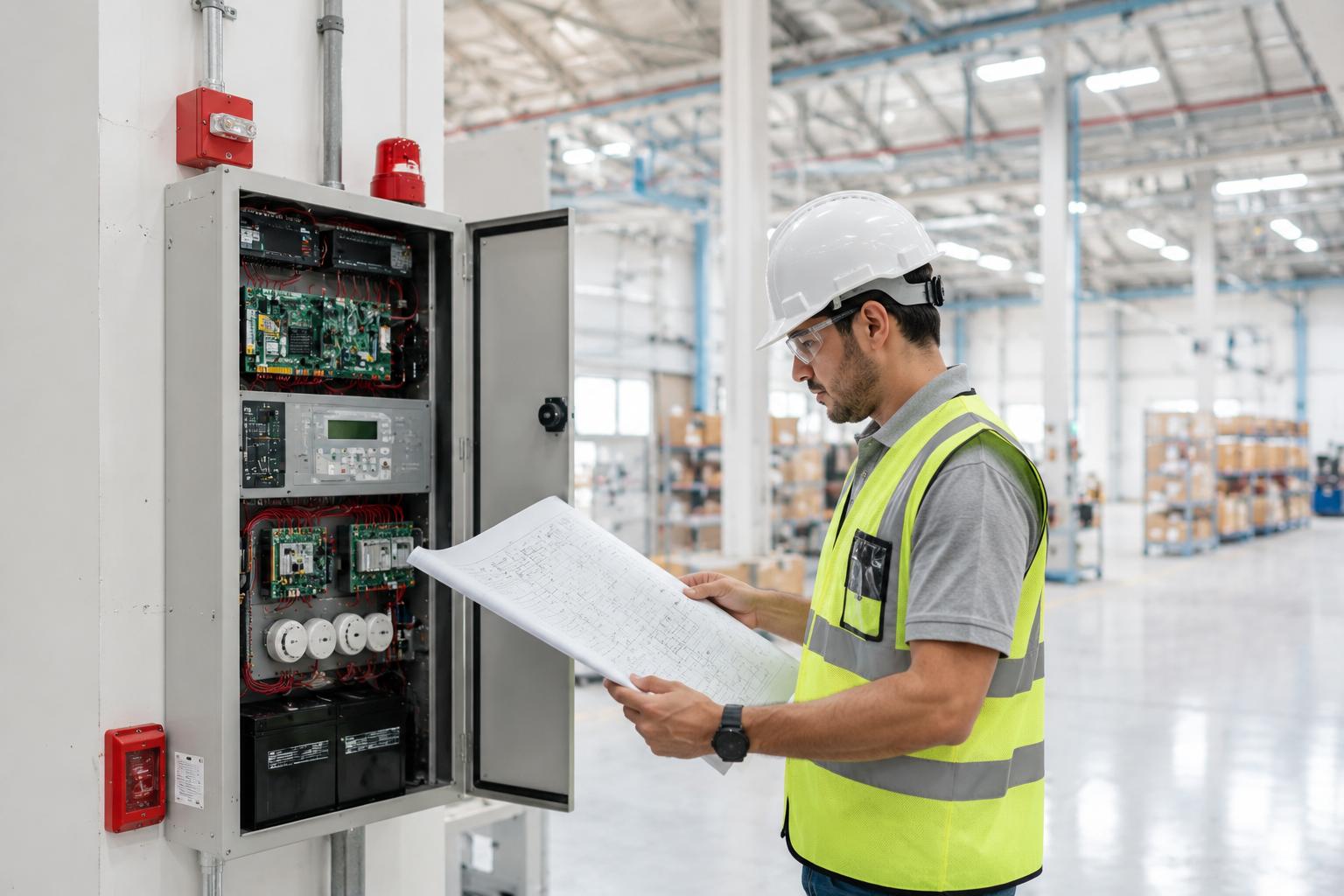
Why do professional design and installation matter in fire detection and alarm systems?
- Optimal System Performance
- Code Compliance and Legal Safety
- Reduced False Alarms
- System Integration
- Long-Term Reliability and Maintenance
- Technical Expertise
Overview
- Professional installation plays a critical role in ensuring the effectiveness of fire alarm systems beyond basic compliance.
- From proper sensor placement and code adherence to reducing false alarms and enabling system integration, expert execution directly impacts safety and operational reliability.
- This article explores why professional installation matters in fire alarm systems, highlighting its role in long-term performance, maintenance, and technical accuracy.
Fire safety systems go beyond regulatory compliance; they are essential in safeguarding life, operations, and high-value industrial assets.
But why does professional installation really matter in a fire alarm system? Is it only for compliance—or simply to make the process easier?
In reality, the answer to this question goes much deeper, because improper installation can lead to system malfunctions, delayed detection, and false alarms, compromising safety readiness.
At Industrial PH, we not only provide reliable fire alarm systems; we also deliver professional installation and maintenance services. So, compliance, safety, and peace of mind radiate in your facility.
Optimal System Performance
Fire detection systems sometimes underperform, not because of their quality, but because of incorrect sensor placement during installation. This often happens when installation is carried out without a proper understanding of positioning principles and system design requirements.
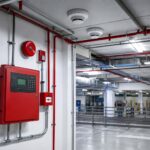
Optimal system performance relies on a clear understanding of how fire and smoke move within a space. Professional installers recognize that smoke naturally rises, which is why detectors are best installed at ceiling level to ensure faster detection.
Proper ceiling positioning also requires mounting devices 4 to 12 inches away from walls to prevent “dead air” pockets where smoke may go undetected.
Code Compliance and Legal Safety
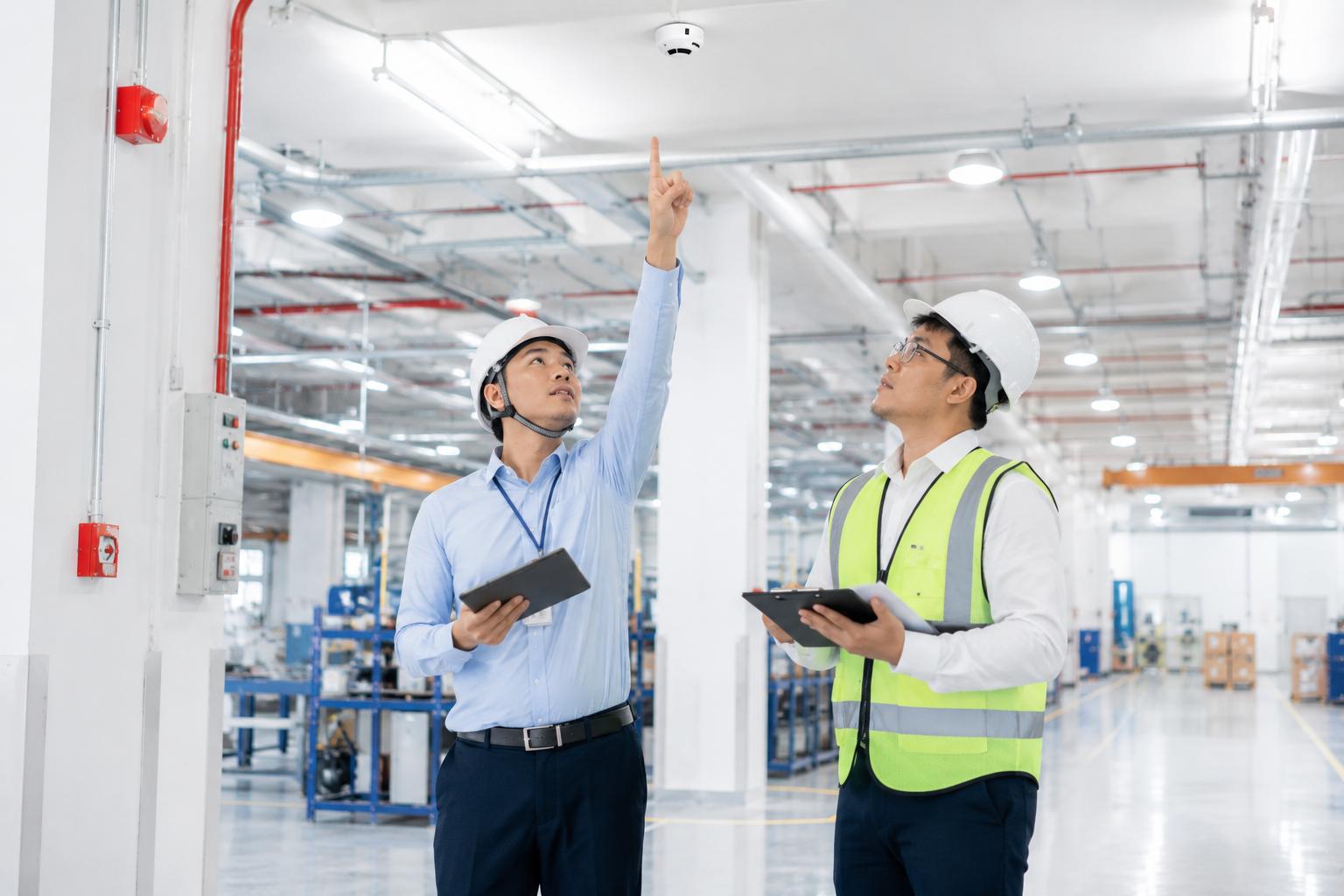 Legal liability, financial losses, and operational shutdowns are some of the consequences that may arise when fire alarm system installations are non-compliant.
Professional installers ensure that fire alarm systems comply with local regulations (Philippine Fire Code and the National Building Code), helping shield building owners from enforcement actions and costly violations.
Additionally, certified installers also handle BFP plan reviews, permits, and UL-compliant monitoring, ensuring seamless integration with building systems. In Manila’s high-rises and construction sites, this level of expertise helps prevent hidden risks that may otherwise go undetected until inspection or emergencies.
Reduced False Alarms
Improperly installed systems often trigger false alarms, making a bad installation a major cause of unwanted alerts. Over time, this can lead to unnecessary interruptions and reduced trust in the system’s reliability.
Professional installers reduce these risks by selecting appropriate devices, spacing them correctly, and ensuring complete coverage without unnecessary overlap that can trigger false signals.
They also calibrate sensitivity levels and conduct testing under realistic conditions. This ensures fewer nuisance alarms, reduces operational disruptions, and strengthens confidence in the system’s ability to respond only when a real threat is present.
System Integration
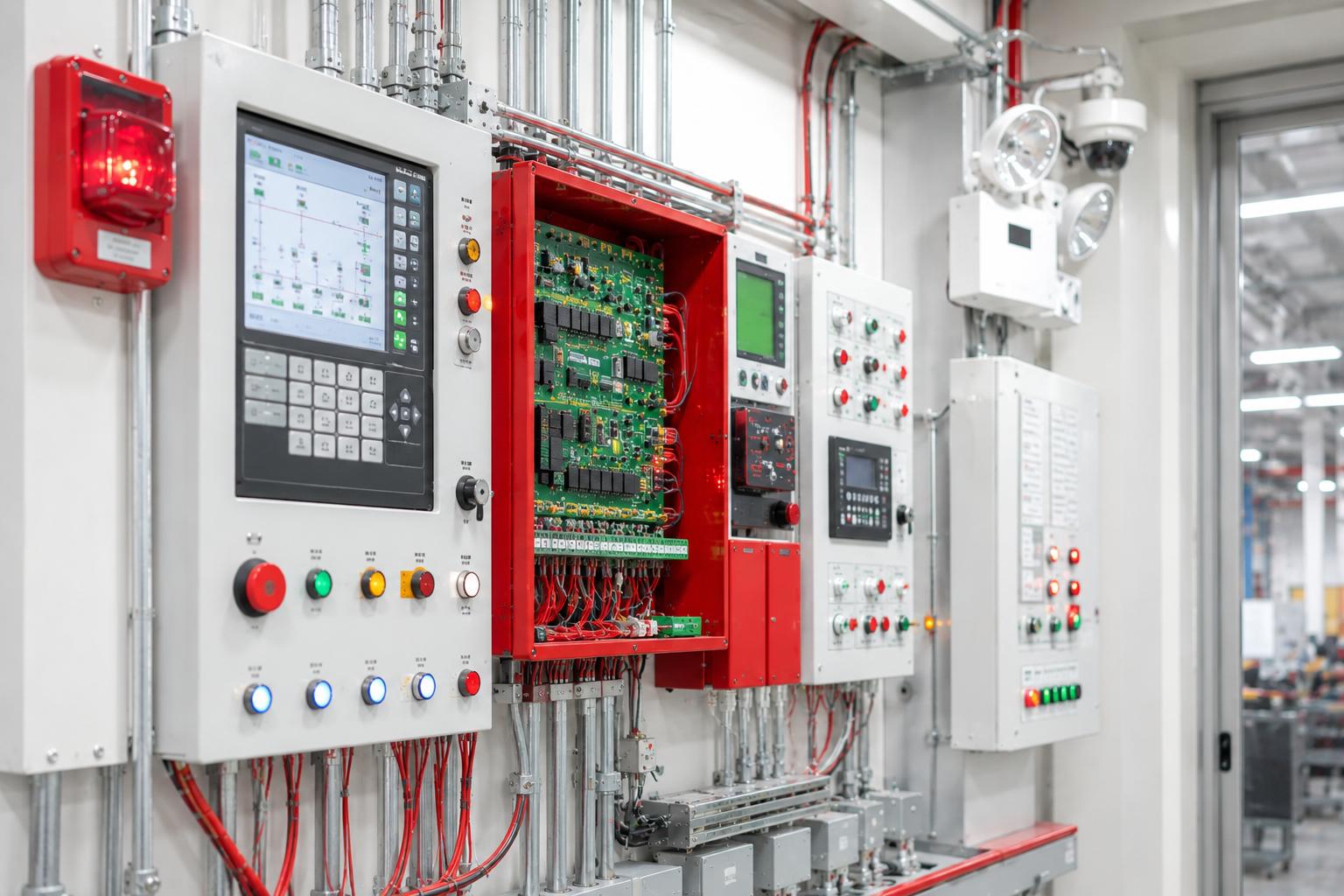
One common problem in many facilities is that fire systems are installed and operated as separate components rather than as a single coordinated safety network. When alarms, sprinklers, suppression systems, and emergency lighting operate in isolation, they might not trigger at the correct time.
This lack of coordination makes it more difficult to assess where the threat is located, how severe it is, and what immediate actions should be taken.
A professional installer understands this gap and ensures a well-integrated setup by linking fire alarms to sprinklers, smoke-control systems such as dampers and fans, suppression systems, and emergency lighting. This creates a coordinated and reliable emergency response.
Long-Term Reliability and Maintenance
Even properly installed fire alarm systems can gradually lose effectiveness without consistent maintenance. Over time, minor issues such as component wear, environmental exposure, or undetected faults can affect overall performance.
Professional installers address this by offering ongoing maintenance, testing, and troubleshooting. With this, the system remains in proper working order throughout its lifespan.
At Industrial PH (GRUPP Inc.), we provide comprehensive maintenance services to support this full lifecycle approach. Facilities that use our FDAS and related fire protection systems benefit from ongoing support designed to keep systems fully operational, compliant, and reliable over time.
Technical Expertise
Each facility presents unique challenges, from structural constraints to system compatibility issues, that demand a high level of technical judgment during execution.
Professional installers bring this expertise by applying engineering-level knowledge to both wiring design and equipment selection. Rather than simply connecting devices from a catalog, they ensure that every component fits the building’s size, layout, and risk profile.
They design load-balanced circuits, select appropriate cable sizes and insulation types, and route wiring through conduits or tray systems to prevent interference, overheating, and code violations. This combination of technical precision and problem-solving capability ensures that fire protection systems are implemented correctly.
Key Takeaway
Understanding why professional installation matters in a fire alarm system is essential in ensuring not just compliance, but also optimal performance, reduced false alarms, system integration, and long-term reliability.
With Industrial PH (GRUPP Inc.), businesses gain a trusted partner that delivers end-to-end fire alarm system solutions, from design and installation to maintenance and technical support.
Contact us now for expert guidance and tailored fire protection solutions.