Why Fire Safety Should Be a Top Priority for Businesses in the Philippines
 January 16, 2026
Overview
- Fire safety is a critical concern for businesses in the Philippines, where fire incidents continue to rise, causing significant property damage, injuries, and fatalities.
- Beyond regulatory compliance, prioritizing fire prevention protects employees, safeguards assets, and ensures operational continuity.
- Implementing early detection systems, maintaining alarms and sprinklers, conducting regular assessments, and training staff are essential steps.
Understanding why fire safety should be a top priority for businesses in the Philippines is essential, especially as fire incidents continue to rise nationwide.
According to the Bureau of Fire Protection (BFP), there were 18,217 fire incidents reported in 2024 — an 11.2% increase from 2023. The resulting property damage exceeded ₱13.8 billion, while fatalities reached 338 civilians and 1,332 injuries
For business owners, these numbers are not just alarming statistics — they are a clear signal that fire safety must be a top priority. They don’t just threaten physical assets; they jeopardize lives, disrupt operations, and can inflict long-term financial damage.
That’s why proactive fire prevention measures, including early detection and alarm systems, are vital for safeguarding your people and property — and partnering with experts like Industrial PH ensures your business is fully protected with advanced, compliant solutions.
The High Frequency of Fire Incidents in the Philippines
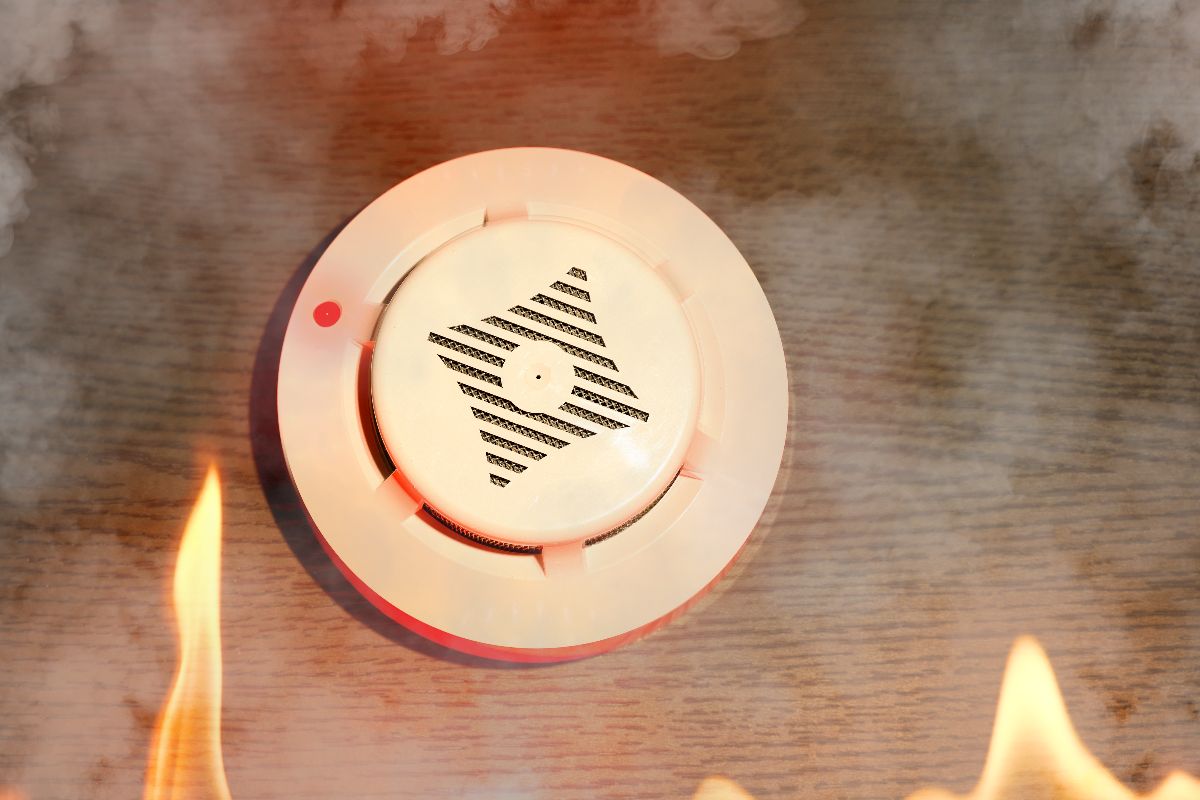
A closer look at the causes reveals recurring patterns: electrical faults remain the top driver of fires, particularly electrical arcing and loose connections. Other common causes include unattended smoking materials and open flames from rubbish or farmland.
Even more troubling, partial data from regional BFP reports show non-structural fire incidents, such as those involving grass, rubbish, and electrical posts, have dramatically increased.
A significant portion of these incidents occurs in mercantile and industrial zones. While BFP’s 2024 recapitulation reports a slight drop in mercantile fires (768 incidents) and industrial fires (385 incidents), the scale of property damage, increasing injuries, and fatalities still underscores a critical gap in fire safety preparedness.
Key Reasons for Prioritizing Fire Safety
Understanding the high frequency of fire incidents makes it clear why businesses cannot overlook fire safety. Prioritizing fire protection is not just about regulatory compliance; it’s about creating a resilient organization that protects people, assets, and operations.
The following reasons highlight why fire safety should always be a top priority for companies in the Philippines.
Protection of Life and Employee Safety
The most compelling reason to prioritize fire safety is the protection of human life. According to the National Disaster Risk Reduction and Management Council (NDRRMC), fire-related incidents in commercial and industrial spaces account for hundreds of injuries and dozens of deaths each year.
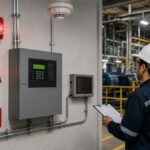
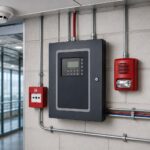
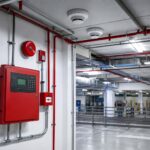
Systems such as addressable and analog addressable fire alarms, smoke detectors, and sprinklers alert employees immediately, helping to reduce casualties and prevent panic.
Early detection and warning systems are critical in providing occupants enough time to evacuate safely. Partnering with experts like Industrial PH ensures that your fire detection solutions are designed, installed, and maintained to maximize safety across your facility.
Legal Compliance and Avoiding Penalties
Businesses in the Philippines are strictly regulated by Republic Act No. 9514 (The Fire Code of the Philippines of 2008).
Compliance is mandatory for obtaining the Fire Safety Inspection Certificate (FSIC), which is essential for securing or renewing your annual business permit. Non-compliance leads to:
- Fines and Criminal Liability: Owners and officers face significant fines and potential criminal prosecution if negligence leads to property damage, injury, or death.
- Business Closure: The BFP has the authority to issue Abatement or Closure Orders to premises that pose severe fire hazards, immediately halting all operations until compliance is met.
Mitigating Catastrophic Financial Loss
Fires rarely end with property damage alone. For many businesses, a single incident triggers financial strain that continues long after the flames are extinguished.
In industries that rely on machinery, inventory, or continuous operations, even a short disruption creates losses that accumulate quickly.
The financial fallout often includes:
- Asset Destruction: Loss of specialized machinery, inventory, and vital physical records.
- Increased Operating Costs: The massive expense of temporary relocation, rent, and emergency procurement.
- Insurance Ramifications: Dramatically increased premiums or difficulty obtaining coverage in the future.
Ensuring Business Continuity
When you catch them early, you avoid the downtime that can interrupt your daily operations.
For many businesses in the Philippines, staying operational means keeping customers, meeting deadlines, and protecting hard-earned market trust — things that can disappear quickly after a major fire.
This is why strong fire safety measures are essential not just for protection, but for keeping your business stable and able to recover.
Essential Steps to Strengthen Your Workplace Fire Prevention Plan
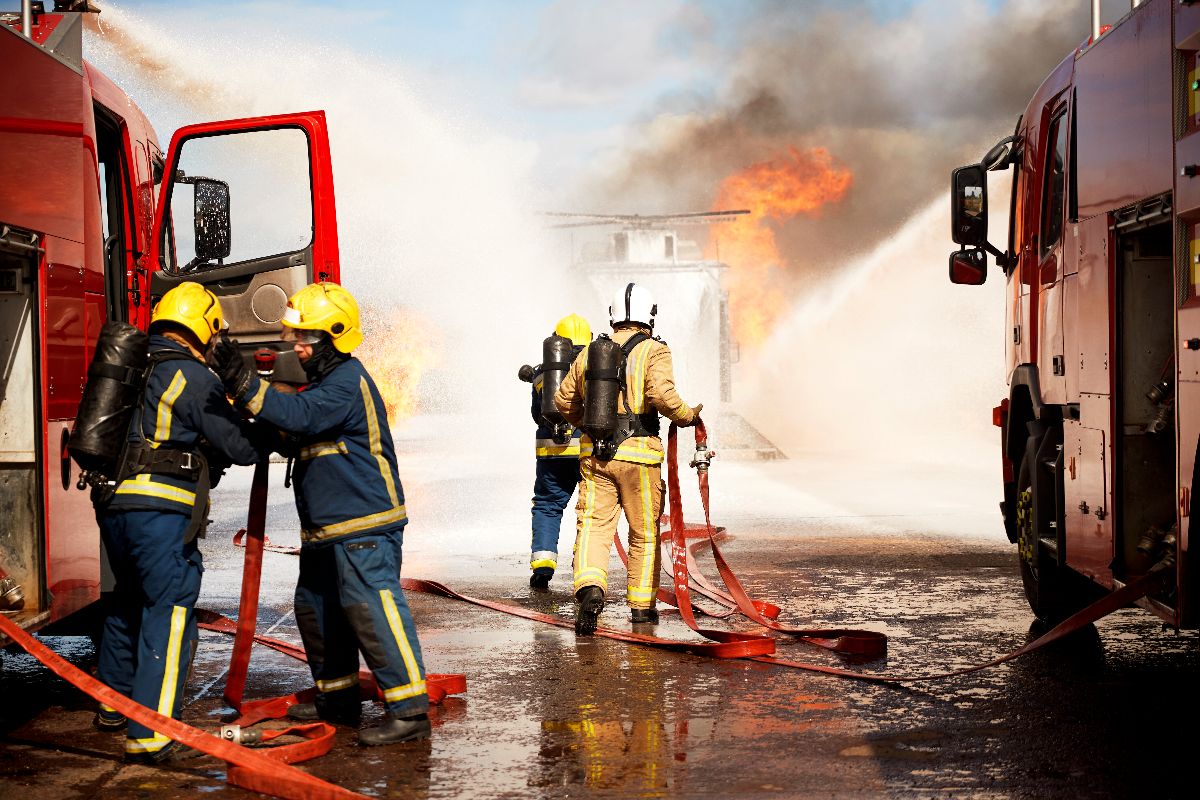
Understanding the risks is only the first step; the real impact comes from building a fire prevention plan that your workplace can rely on every day.
These steps form the foundation of a safer, more prepared workplace:
- Conduct regular fire safety assessments: Identify hazards early and ensure your facility stays compliant as operations, equipment, and layouts change.
- Install and maintain safety systems: Keep alarms, extinguishers, sprinklers, and emergency lighting fully operational through proper installation and routine maintenance.
- Provide comprehensive fire safety training: Equip employees with the knowledge to respond quickly and safely, reducing panic and confusion during emergencies.
- Develop and practice evacuation plans: Establish clear exit routes and conduct drills so employees can evacuate efficiently when every second counts.
Key Takeaway
Fires don’t wait for convenience — they strike fast and disrupt everything you’ve built. That’s why understanding why fire safety should be a top priority for businesses in the Philippines is not just about compliance; it’s about foresight: safeguarding lives, preserving trust, and securing the continuity of your operations.
Businesses that treat prevention as a strategic mindset gain a resilience that competitors can’t buy. Take the first step today, and contact us at Industrial PH, to create a fire safety plan that truly protects your people and your future.