What to Check Before Finalizing Your Machinery Installation Contract
 June 26, 2026
What to check before finalizing your machinery installation contract?
- Scope of work and deliverables
- Timelines, logistics, and delays
- Testing, commissioning, and acceptance
- Warranties and after-sales support
- Financials and liability
Overview
- Clear contract details help reduce misunderstandings, manage risks, and improve coordination during execution.
- Key areas to review include the scope of work and deliverables, project timelines, warranty coverage, after-sales support, and financial and liability terms.
- When these elements are properly addressed, installation projects are more likely to proceed efficiently and support stable, reliable operations once completed.
Signing a machinery installation agreement sets the exact expectations for your on-site project execution, establishing clear boundaries for deliverables, timelines, and safety responsibilities. When details regarding scope or acceptance terms are left vague, facilities frequently face unexpected project delays, budgeting issues, or disruptions to day-to-day operations. For a procurement manager, knowing exactly what to check before finalizing machinery installation contract documents is your best defense against these common pitfalls. Verifying these critical points beforehand ensures that your supplier remains fully accountable and that your facility’s operational interests are fully protected.
Scope of Work and Deliverables
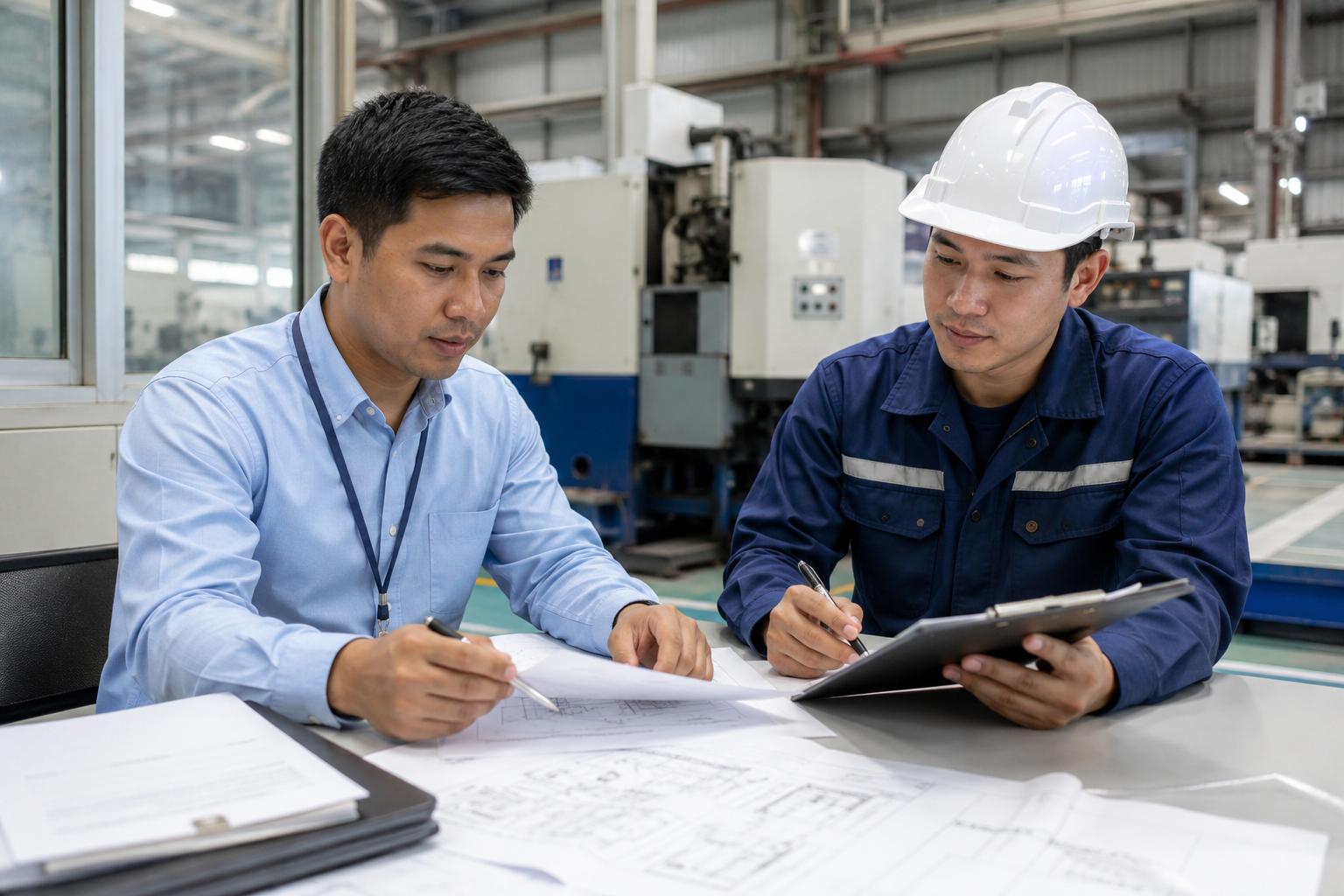
Clear scope definition is the foundation of a successful equipment installation. Your contract should explicitly state which tasks are covered and which require separate agreements, paying close attention to critical phases like unloading, rigging, anchoring, and precision calibration.
Although these steps seem straightforward, they require specialized rigging tools and certified technicians to ensure the machinery operates safely. Additionally, defining site readiness expectations up front prevents costly delays. The contract needs to clearly outline the facility manager’s responsibilities prior to delivery, such as clearing the immediate workspace, preparing specialized foundations, and certifying the floor’s weight capacity.
Timelines, Logistics, and Delays
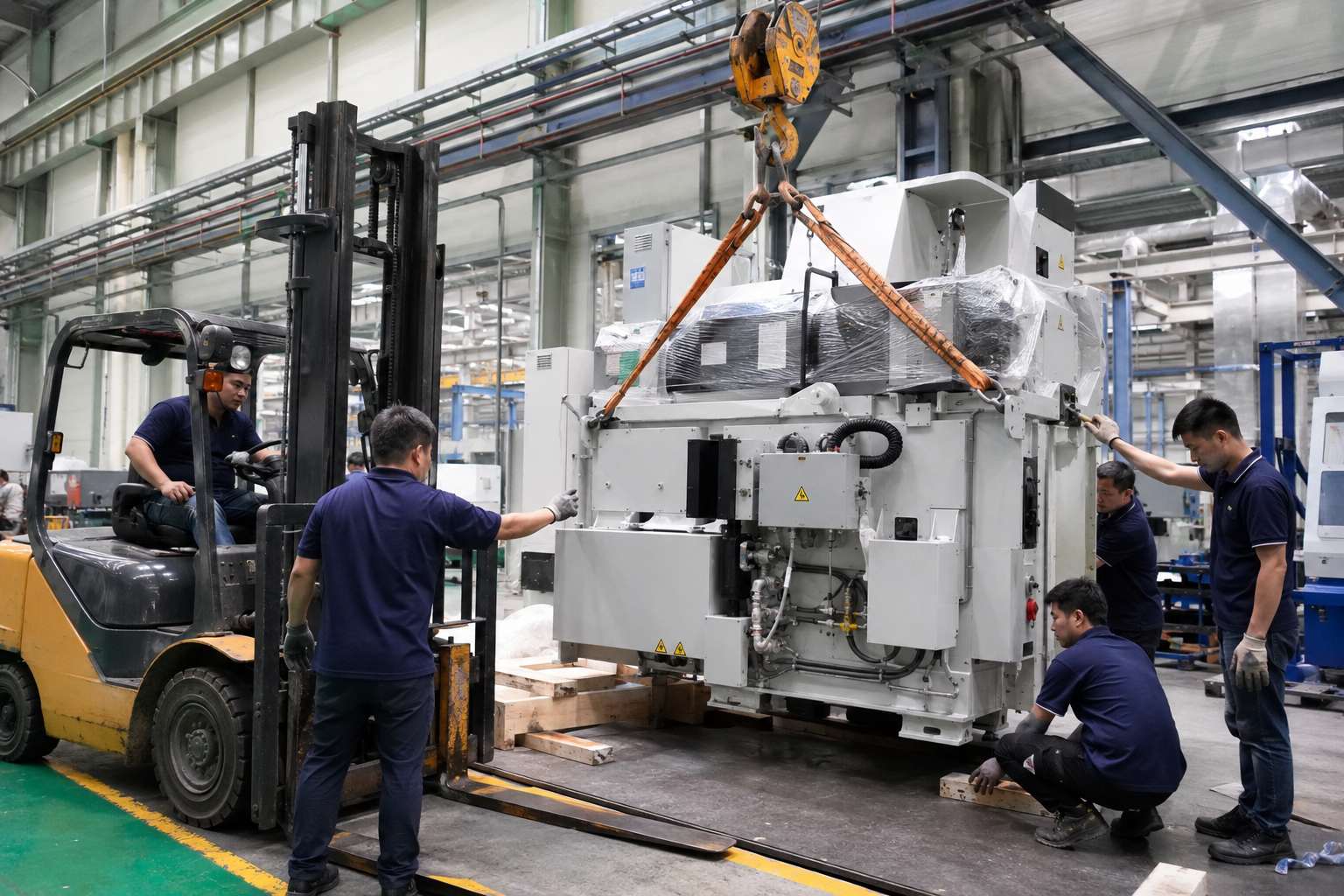
Getting machinery from one location to another is often more complex than it appears. Equipment may need to be transported, lifted, positioned, or moved through spaces with limited access.
It is worth reviewing how machinery transfer and setup will be handled. A clear understanding of how deliveries, equipment handling, and site access will be managed can help set realistic expectations for the installation timeline.
For instance, our machine transfer and setup services are designed to support this process from dismantling and transport to positioning and reassembly. To promote a safer movement of machinery, we use specialized equipment and even establish proper handling procedures.
Testing, Commissioning, and Acceptance
Installing machinery is one thing, but making sure it performs as expected is another. So there should be a clear process to verify that the equipment is functioning properly and ready to support day-to-day operations.
Rather than relying on a general assessment, the contract should specify how performance will be evaluated and what standards the equipment must meet before it is considered ready for use. With this, trial runs should form part of the process. These allow both parties to determine whether it can meet the expected output, capacity, or production requirements.
They can also help uncover issues such as workflow bottlenecks, operational inconsistencies, or product quality concerns.
Warranties and After-Sales Support
The first few weeks after installation can be just as important as the installation itself. Adjustments may be needed, and issues that were not apparent during testing can sometimes emerge.
This is why warranty coverage and after-sales support should be carefully reviewed. Coverage terms can vary between providers, so these details should be clearly defined in the agreement. In some cases, coverage starts upon delivery, while in others it may be tied to successful commissioning.
The contract should outline what training will be provided, when it will take place, and who will be involved. Equipping staff with the knowledge to operate and maintain the equipment properly can help support safer operations.
Financials and Liability
Industrial installation projects carry financial risks that should be managed through clear and structured contract terms. One common approach is to link payments to specific project milestones instead of releasing the full amount upfront.
Another standard practice is the use of a retention or holdback arrangement. A portion of the total contract value, usually around five to ten percent, is withheld until all outstanding items are completed and final performance requirements are met.
Contractors should be required to present proof of adequate insurance before any work begins on site. This helps protect the client from financial exposure in the event of accidents, property damage, or injuries during installation.
Key Takeaway
A machinery installation project is only as strong as the contract that guides it. That’s why understanding what to check before finalizing a machinery installation contract is essential for procurement teams who want to ensure operational readiness from the start.
For organizations looking to execute machinery transfer, installation, and setup with greater confidence, Industrial PH provides engineering-focused solutions designed to support safe handling, proper installation, and efficient project execution.
Get in touch with Industrial PH to discuss your requirements and explore how we can support your project.