How Facility Size and Complexity Affect Your Choice of Machinery Installer
 June 19, 2026
Overview
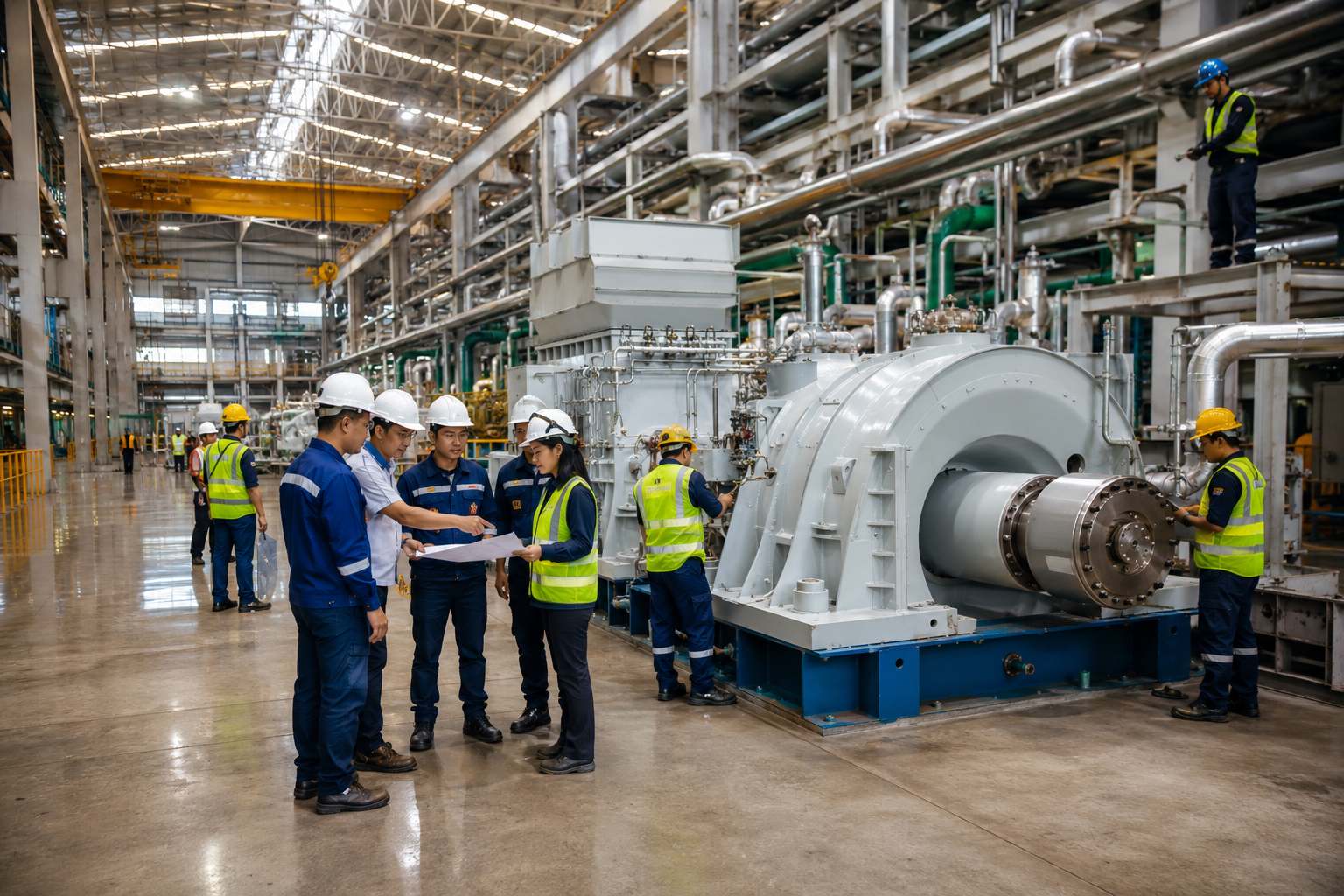
- Facility size and complexity dictate the choice of a machinery installer. Large sites require structured logistics and area planning, while sophisticated equipment demands precise mechanical synchronization, utility integration, and rigorous commissioning.
- Industrial PH provides end-to-end installation, design, and integration services tailored to these operational demands across the Philippine industrial sector.
Industrial machinery installation is rarely straightforward; each project introduces unique logistical and technical challenges. As your facility grows and equipment becomes more advanced, the installation process demands tighter coordination and expert planning across all interconnected systems to prevent costly operational downtime.
This highlights how facility size and complexity affect the choice of machinery installer, as different environments call for varying levels of expertise, resources, and project management capabilities. As a facilities manager, understanding these factors can help you select an installation partner that is equipped to support safe, efficient, and reliable project execution.
How Facility Size Drives the Choice of Installer
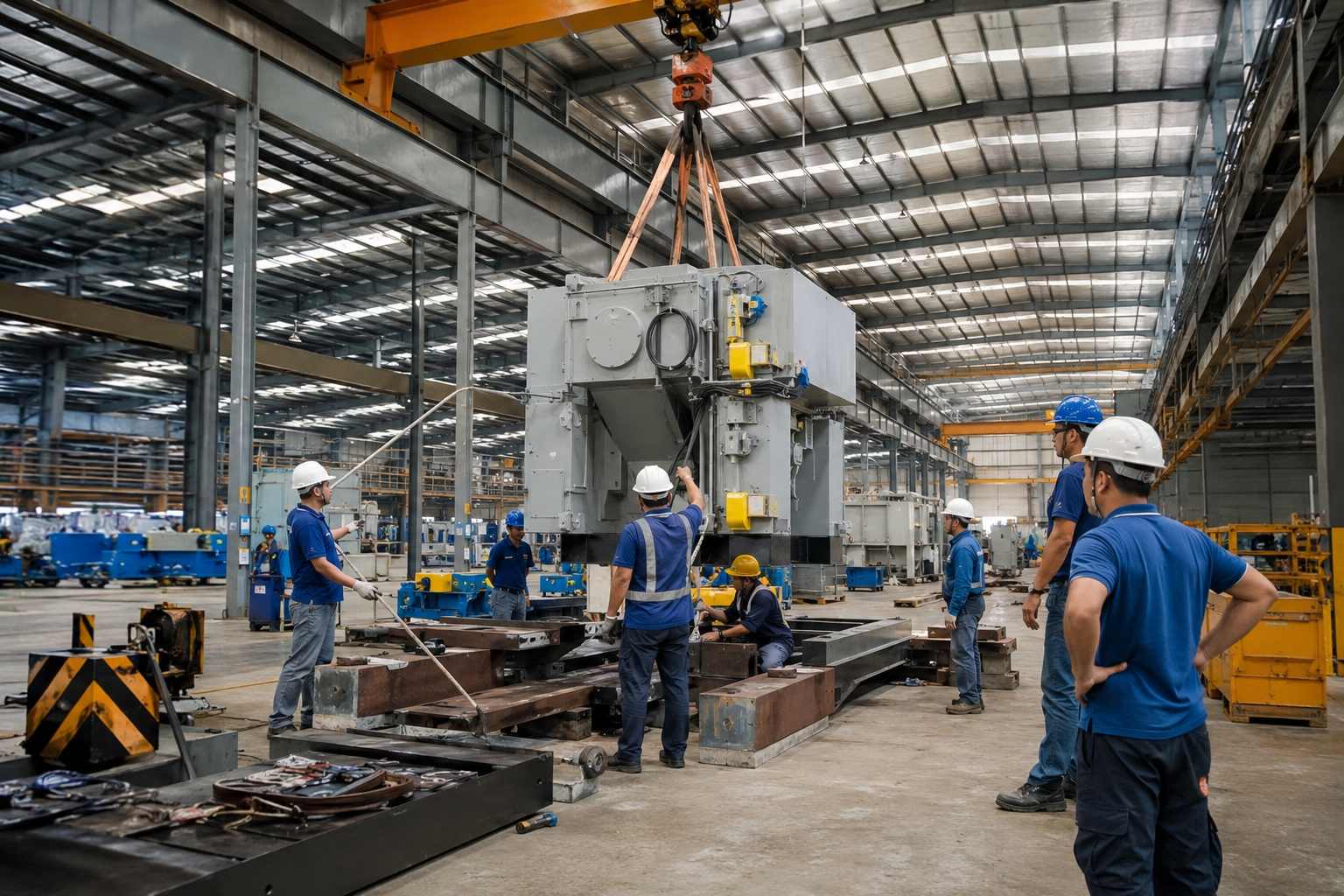
Beyond the technical demands of the equipment itself, the physical scale of a site can influence how installation work is evaluated, planned, and executed. Larger or more segmented facilities may require installers who can align with structured project requirements and coordinate effectively within defined operational constraints. With this, you have to assess whether your partner is suited to the specific conditions of your site before work begins.
Logistics and Rigging Requirements
Whether dealing with long transport routes in large plants or tight clearances in compact facilities, equipment logistics require precision. Installers must deftly adapt to these physical constraints by identifying safe lifting points, accurately calculating load weights, and aligning their workflow with site safety rules and active operational schedules.
Footprint and Area Planning
Managing a machinery installation requires adapting to the distinct constraints of your facility’s layout. While large facilities require complex logistical planning for material flow and storage to protect active operations, smaller spaces demand strict optimization within a tight, localized footprint.
Choosing a turnkey installation partner with full design, fabrication, and deployment capabilities eliminates guesswork, ensuring the absolute coordination needed to navigate either spatial extreme seamlessly.
How Complexity Dictates the Installer
Sophisticated industrial machinery requires far more than basic placement and assembly. To protect your capital investment, you must evaluate whether an installation partner possesses the technical depth and engineering expertise required to manage highly complex, multi-system environments.
For a facilities manager, this means looking past a basic contractor’s layout capabilities and critically assessing an installer’s proficiency across three specific technical dimensions.
Mechanical and Technical Synchronization
Complex machinery installations, such as HVAC equipment, require precise mechanical alignment, which directly affects operational performance.
With this, installers must possess strong expertise in mechanical assembly, anchoring, and precise leveling to ensure equipment is installed in accordance with design and operational specifications. The ability of an installer to execute this level of mechanical and technical synchronization is essential for ensuring reliable performance and minimizing operational issues.
Utility Integration
Modern industrial machinery rarely operates in isolation, usually sitting at the center of complex, interconnected utility networks. A qualified installer must provide certified specialists who thoroughly understand system interoperability, particularly how to safely integrate new machinery with existing electrical grids, water lines, compressed air systems, steam loops, and digital control networks.
The right partner must possess the specific technical capability to bridge brand-new, smart machinery with your facility’s legacy hardware and software platforms without disrupting surrounding operations.
Safety and Commissioning
The installation process is not complete simply because the utilities are connected and the power is on. The final, critical phase requires a highly structured validation process to verify that every component meets design specifications before full-scale production begins.
Your choice of installer should rest on their ability to execute a meticulous, highly detailed commissioning protocol. This systematic testing phase serves as your final safeguard, identifying performance inconsistencies, software glitches, and safety gaps so you can launch operations with absolute confidence.
Partner with Industrial PH for Facility-Ready Machinery Installation

At Industrial PH, we are not only a trusted provider of a wide range of machinery and industrial equipment but also deliver end-to-end support services. This includes installation, design and layout consultation, and system integration.
We focus on ensuring that your equipment is properly installed and configured to perform as intended while remaining fully aligned with existing systems. With our long-standing presence in the industry, we have supported a range of leading companies in the Philippine industrial sector, including Asia Brewery Incorporated, Del Monte Philippines, and other major manufacturers.
Key Takeaway
Understanding how facility size and complexity affect the choice of machinery installer is essential for ensuring safe, efficient, and well-coordinated installation outcomes in industrial environments.
Working with an experienced provider like Industrial PH helps ensure that machinery is installed with precision, properly integrated into existing systems, and aligned with operational requirements.
For reliable engineering support and end-to-end installation solutions, contact us today.