Avoiding Common Pitfalls When Selecting a Machinery Installation Service
 June 12, 2026
Overview
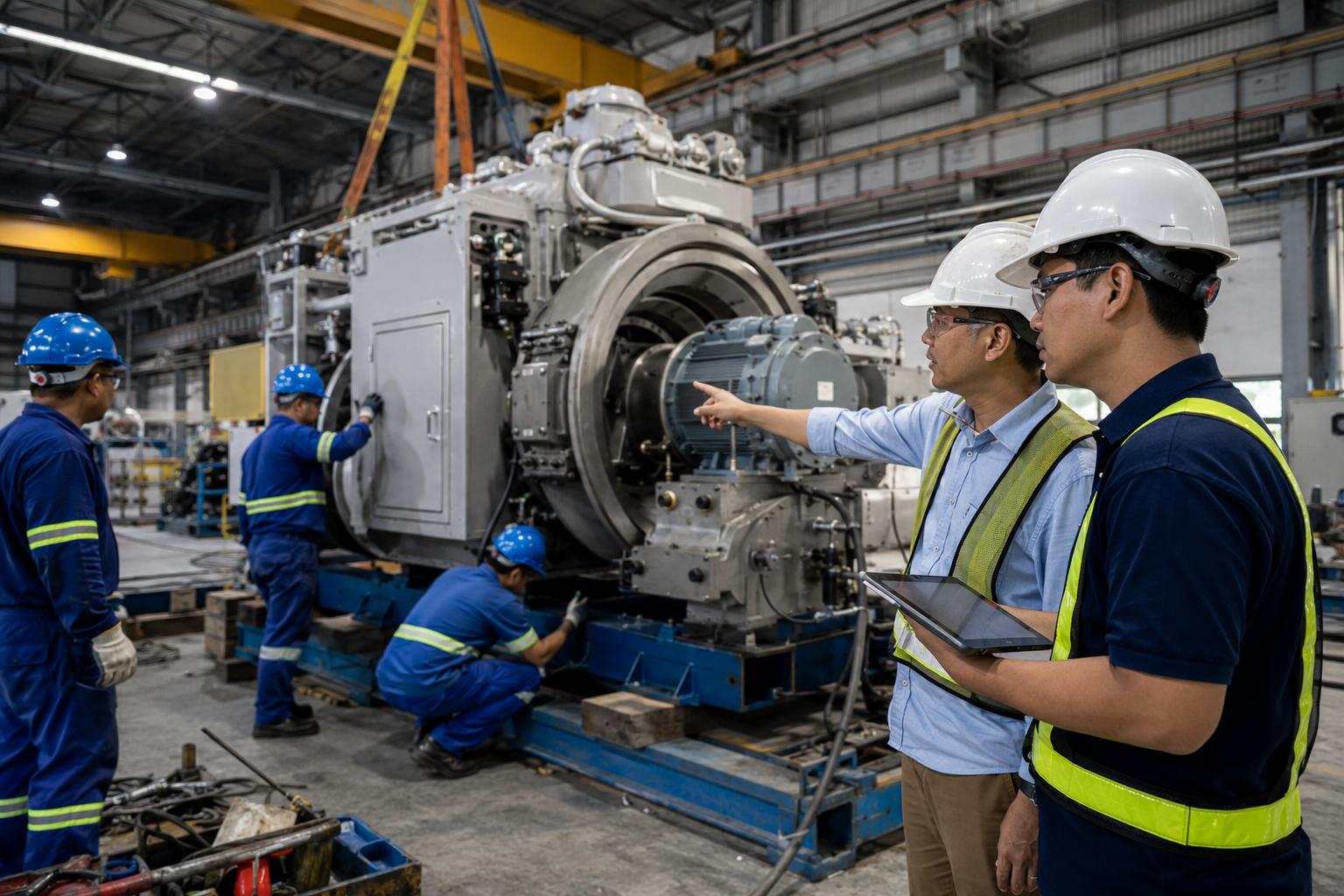
- Machinery installation projects involve more than just choosing a provider and signing a contract.
- Each stage, from initial planning and site preparation to installation, testing, and operator training, plays a role in how smoothly equipment is integrated into operations.
- This article walks through common gaps that procurement officers may overlook during the selection and execution phases.
Every machinery installation provider works differently. While proposals may look similar at first glance, differences in planning, safety practices, and post-installation support often become more noticeable once the machine is operating.
With this, avoiding common pitfalls when selecting a machinery installation service means looking beyond quotations and schedules. A provider’s approach before, during, and after installation can influence how effectively the equipment is integrated into operations.
Taking a closer look at these factors can help you uncover gaps that might otherwise go unnoticed until they begin to affect timelines, productivity, and project outcomes.
Skipping Site Readiness Audits

Whether you’re procuring HVAC systems, production equipment, or other industrial machinery, a pre-installation assessment can reveal site conditions that may affect the project later on.
It is easy to assume that existing infrastructure can support new equipment. However, issues involving electrical capacity, utility connections, or access routes are not always apparent during the planning stage. For example, installing equipment without verifying available power capacity may result in operational issues or require additional electrical work after delivery.
This is why many experienced installation providers, like Industrial PH, conduct site inspections before machinery arrives. Site assessments are part of our engineering-led approach to installation projects, helping clients address requirements before they become costly disruptions during implementation.
Ignoring Compliance and Safety
In many installation projects, compliance and safety requirements are treated as documentation that needs to be completed before work begins. When these are overlooked during execution, projects may face safety risks, penalties, or regulatory issues later on.
For example, when installing fire alarm systems, compliance with established standards such as NFPA 72 is required. This code defines how fire alarm systems should be designed, installed, tested, and maintained to ensure they function properly under real operating conditions.
Providers are expected to submit clear records, including approved design plans, test results, device layouts, and manufacturer manuals. In many cases, final approval also depends on acceptance from local authorities, such as the fire marshal, before the system is cleared for full operation.
Focusing Only on Upfront Cost
Opting for the lowest-priced provider without careful evaluation is a common mistake in installation projects. A lower upfront cost may seem practical at first, but it can lead to rework, unexpected repairs, or the need to hire another contractor to fix issues later on.
Because of this, it is more useful to look beyond the total price and request a detailed cost breakdown. This allows you to see what is actually included in the offer and how each provider structures their pricing.
Warranty coverage, previous project experience, and the full scope of work give a clearer view of long-term value. They also help reduce the risk of choosing based on price alone.
Rushing Commissioning and Testing
A working machine does not always mean a fully validated system. In many projects, there is pressure to wrap up installation as soon as equipment powers on, even if full testing has not been completed.
For example, during bottling equipment installations, the machine may run properly during initial checks but still exhibit inconsistencies in fill levels, speed, or alignment once actual production starts. These issues are not always apparent during a quick handover and may only surface once the system is fully operational.
Proper trial runs help confirm whether the equipment can consistently meet expected performance under real operating conditions. That’s why we make sure installed systems undergo proper validation and performance checks before turnover, so clients can move into operations with confidence.
Neglecting Operator Training
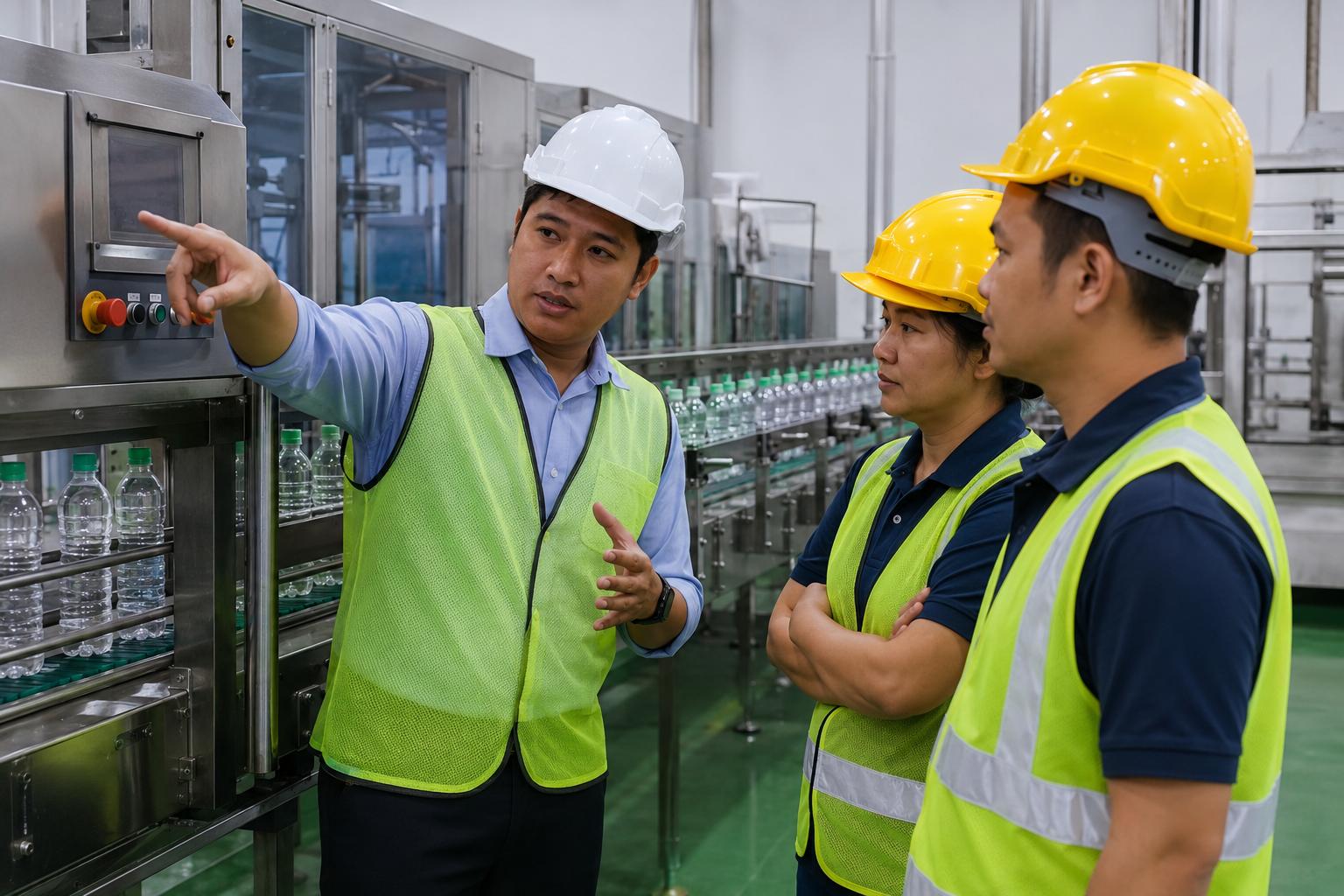
Smooth installation and successful testing do not always guarantee smooth day-to-day operation. Even when equipment is fully functional, issues can still arise if operators are not properly guided in how to use and manage it.
For example, in machinery such as production lines or bottling equipment, small operational errors can lead to inconsistent output, downtime, or reduced efficiency. These are often not caused by the machine itself, but by how it is handled during actual use.
This is why operator training should also be part of the provider’s responsibilities. Since they installed the equipment, they are best positioned to explain how it works in a practical, step-by-step way that matches the actual on-site setup.
Key Takeaway
Avoiding common pitfalls when selecting a machinery installation service starts with choosing a provider that considers every stage of the project, from planning and execution to testing and turnover.
At Industrial PH, we provide not only high-quality industrial machinery but also comprehensive services, including machine transfer, installation, and maintenance, to ensure proper handling and reliable operation.
You may reach out to us to get started with your project planning.