4 Different Types of Bottle Manufacturing Processes
 December 22, 2022

What are the different types of bottle manufacturing processes?
- The Blow and Blow Process
- Extrusion Blow Molding
- Injection Stretch Blow Molding
- Impact Extrusion
There is a wide range of beverage bottles. Each type has distinct functions and benefits for the beverage it holds, but how are these bottles made? This article looks into the different types of bottle manufacturing processes that are used to make bottles out of the three most common materials – glass, plastic, and aluminum. Keep reading to learn more!
The Blow-and-Blow Process
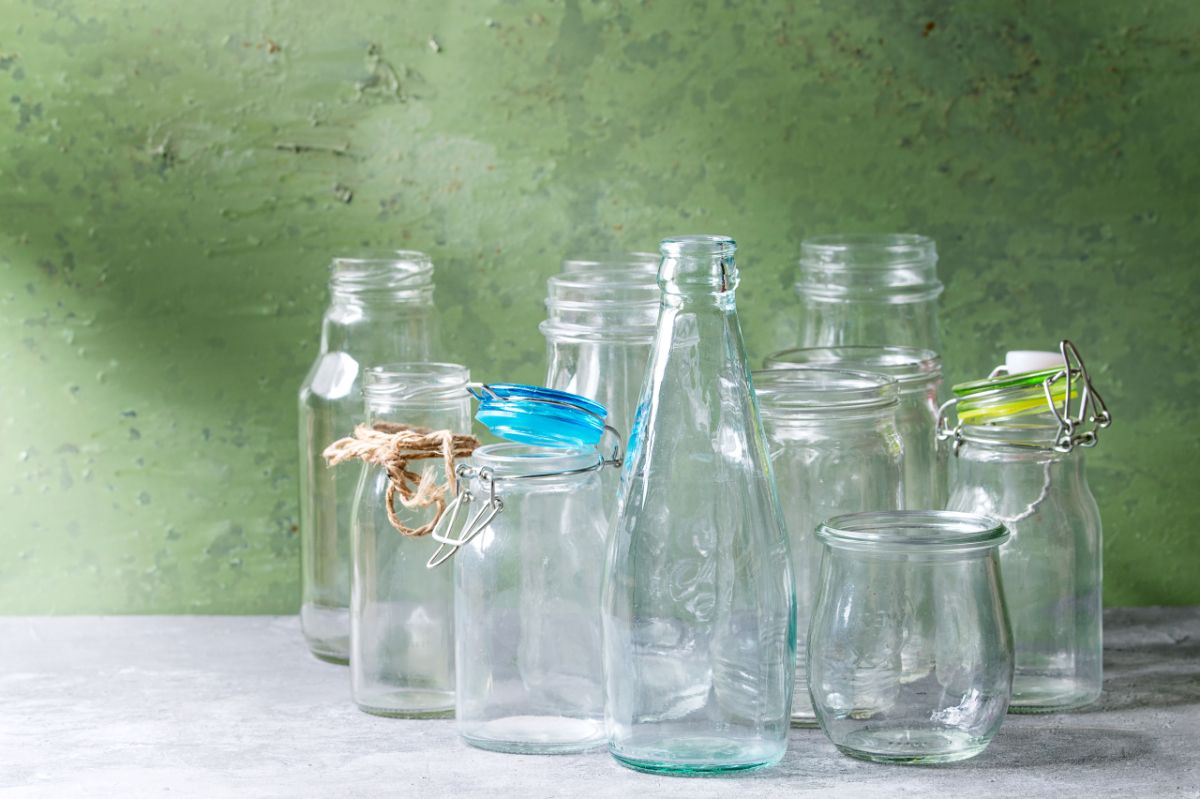
Most glass bottles used for soda, beer, and wine are made using the blow-and-blow process. It’s dated back to the early 1900s and is still used in various factories today. This process is the most commonly used technique when it comes to creating glass bottles at a large industrial scale.
In the blow-and-blow process, a single glass bottle is with a gob of hot, molten glass made of an incredibly hot mixture of silica sand, soda ash, and limestone. This is made through a feeder machine. Compressed air is blown into a mold where the pressure causes it to form the shape and outline of the mold from the bottom to the neck of the glass bottle. Because the compressed air somewhat cools the molten glass, the glass which is still inside is flipped 180 degrees and reheated to soften it so that compressed air can then be blown again into the container to form its final shape.
Due to its process requiring two batches of compressed air for the glass to take its final form, the blow-and-blow process takes its name.
Extrusion Blow Molding
There are two common methods of making plastic bottles. The first one is extrusion blow molding. Extrusion is the process of forming shapes by pushing a certain material through a hole with the shape of the desired cross-section. It also incorporates blow molding into its manufacturing.
Extrusion blow molding begins to make plastic bottles by heating and melting polyethylene terephthalate or PET pellets. The liquid plastic is then formed or extruded into hollow tubes. Then, this shape is poured into the center of a cooled metal mold. Afterward, compressed air is pushed in through the top of the mold causing the plastic to conform to the shape of the mold and cool at the same time, similar to the process of how glass bottles are made.
Injection Stretch Blow Molding

The other common method of creating plastic bottles is called injection stretch blow molding. Unlike other types of bottle manufacturing processes, this does not begin with hot molten plastic. Instead, it begins with little pieces of hard plastic called preforms. These tiny things look like threaded plastic test tubes. These are used by many plastic bottle manufacturers to create various shapes of beverage bottles.
This process is divided into stages: injection, stretching & blowing, and discharge.
Injection
To create the shape of the preforms, molten polymer is injected into the cavity through a hot runner block. It’s injected using a mandrel to produce the inner and outer diameter. Afterward, the core pins are separated and the preform is rotated 90 degrees while being held in a neck carrier.
Stretching & Blowing
The preform is conditioned at the right temperature before it undergoes this stage to reach its final shape. Here, the molds close, and a stretch rod is used to stretch the preforms vertically using different levels of air pressure. The preform is also blown circumferentially.
Discharge
After being cooled, the mold is opened and preforms are removed through drop chutes.
Impact Extrusion
Compared to other beverage bottles, aluminum bottles are lighter and more resilient. They are also recyclable. In addition to this, they maintain the temperature of the beverage for longer thanks to their coating. They are made through a process called impact extrusion.
The process begins when a solid piece of round aluminum is passed through a machine called an impact extrusion press. There, the disk is pressed with over four hundred tons of pressure. The impact forces the aluminum to stretch itself up to form a tall can-like structure. The rough top part is then cut off. After, the inside of the bottle is sprayed to keep it food-grade. The product design and information are then printed onto the bottle shortly before the neck is tapered inwards to form the signature bottleneck shape.
Key Takeaway
There are many types of bottle manufacturing processes. Whether created by compressed air into a mold or extruded into a shape by a hundred-ton hydraulic press, the creation of bottles largely relies on two things – quality and care. Large-scale production is carefully calibrated to produce the best bottles.
Here at Industrial PH, we can help you design and assemble your beverage processing equipment with the help of our team of certified engineers. We have catered to many manufacturing facilities across the country, so we’re ready to help you with your bottling needs. Contact us here today!