Explore Design Considerations That Can Maximize the Performance of FRP Wall and Ceiling Panels
 March 23, 2026
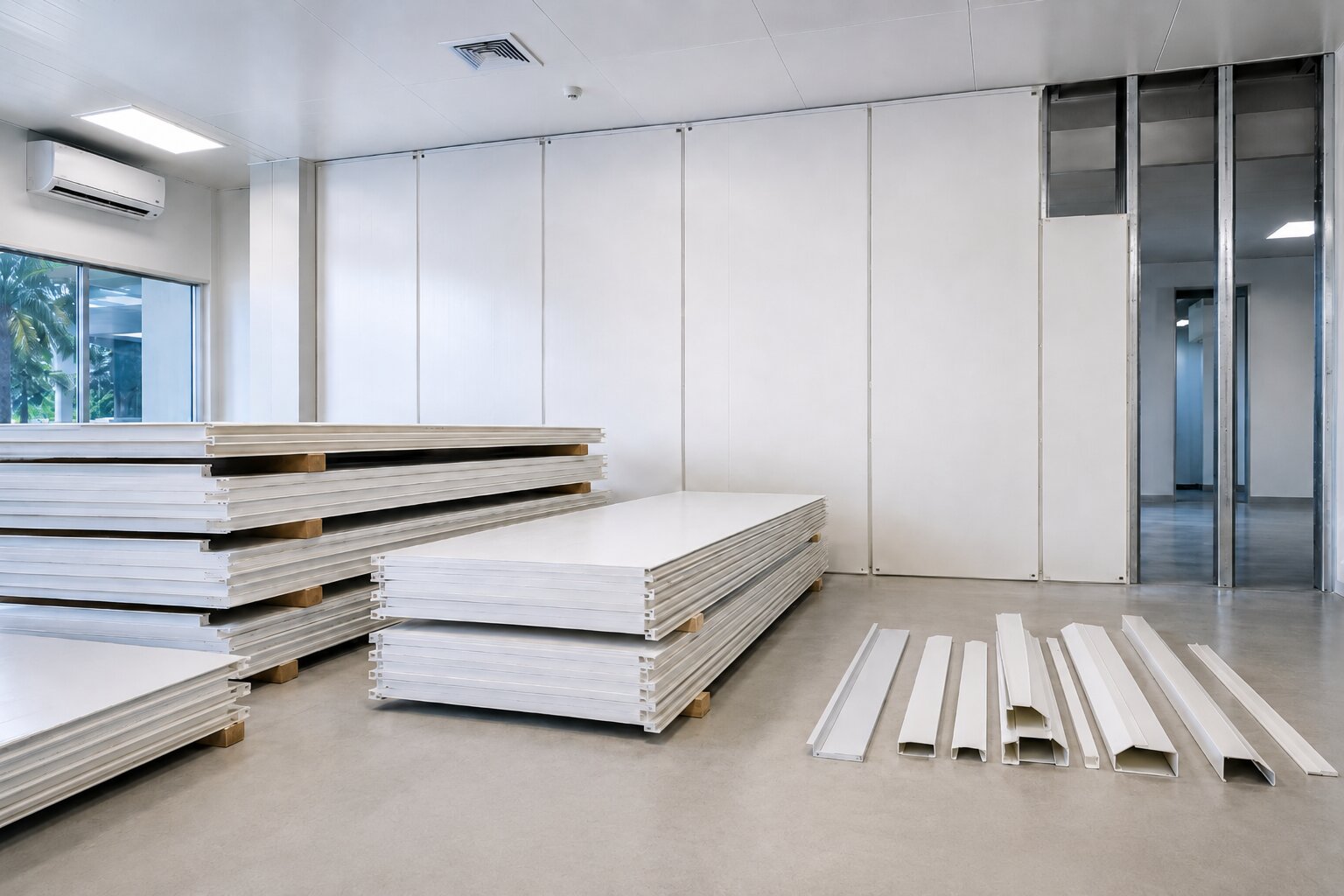
What are the key design considerations that maximize the performance of FRP wall and ceiling panels?
- Substrate preparation and moisture control
- Thermal movement and material acclimation
- Panel thickness, reinforcement, and fire rating
- Trim, molding, and edge detailing
- Fastener selection and placement
Overview
- FRP wall and ceiling panels offer strength, moisture resistance, and durability, making them ideal for Philippine facilities exposed to high humidity, heavy rain, and fluctuating temperatures.
- Key design considerations — including substrate preparation, moisture control, thermal acclimation, panel thickness, reinforcement, fire rating, trim, edge detailing, and fastener selection — help ensure your installation performs reliably over time.
- By addressing these factors and tailoring your approach to specific environments like kitchens or industrial spaces, you can plan FRP panel installations that are long-lasting, low-maintenance, and optimized for safety and efficiency.
Facilities across the Philippines often face challenges from high humidity, heavy rainfall, and fluctuating temperatures, all of which can affect the durability and performance of walls and ceilings.
To address these challenges, Fiberglass Reinforced Plastic (FRP) panels are widely used, offering strength and resistance to moisture and wear. However, ensuring consistent performance and long-term reliability requires more than selecting the right material—it involves careful attention to design, layout, and installation practices.
In this article, we’ll explore essential design considerations for FRP wall and ceiling panels, providing practical guidance to help you plan installations that maximize performance, enhance safety, and streamline maintenance over the lifespan of your facility.
Substrate Preparation and Moisture Control
Proper substrate preparation plays a key role in maintaining the long-term performance of your FRP panels, especially in the Philippines, where high humidity and moisture exposure are common. Ensuring your substrate is clean, dry, and free of dust, grease, or other contaminants helps your installation adhere properly and reduces the risk of mold or delamination over time.
Using moisture-resistant backers, such as cement board or treated plywood, can provide a more stable foundation for your panels. Applying a vapor barrier may also help limit moisture infiltration in areas prone to high humidity, such as kitchens, food processing areas, or industrial facilities. Taking these factors into account during planning supports the longevity and reliability of your installation, helping your panels maintain both their appearance and functional performance over time.
Thermal Movement and Material Acclimation
FRP panels naturally expand and contract with temperature changes, which can affect their long-term stability if not properly accounted for. Allowing your panels to acclimate in the installation environment for at least 24 hours helps reduce the risk of warping, buckling, or uneven seams, particularly in air-conditioned interiors or tropical climates.
Providing expansion gaps between your panels and along edges accommodates thermal movement and supports structural integrity over time. By planning for these considerations early, your installation can maintain a consistent visual appearance while avoiding future maintenance issues. This proactive approach helps keep your panels durable, stable, and functional even as environmental conditions fluctuate throughout the year, keeping your facility safe, efficient, and aesthetically consistent.
Panel Thickness, Reinforcement, and Fire Rating
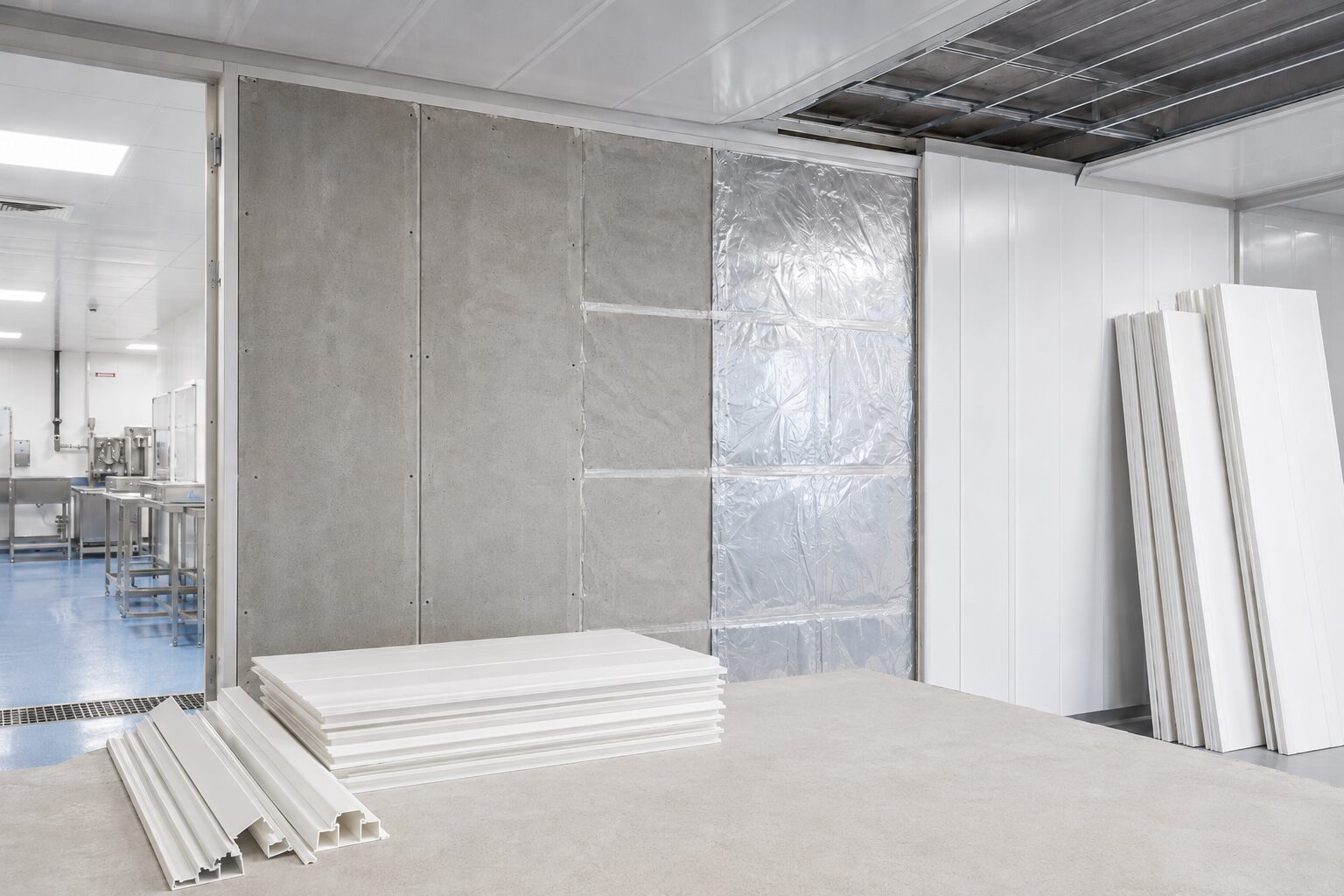 The thickness and reinforcement of your FRP panels directly affect how well your installation withstands daily use, impact, and wear in high-traffic or industrial areas. Panels with additional reinforcement or greater thickness improve durability, reduce the likelihood of damage, and help maintain a consistent appearance over time.
Fire safety is another important consideration. Selecting panels that meet the required fire ratings under Philippine regulations helps protect both your personnel and assets, particularly in areas such as your commercial kitchen, laboratory, or manufacturing facility. Balancing panel thickness and fire compliance allows your installation to remain safe, reliable, and resilient under the conditions present in your facility.
Trim, Molding, and Edge Detailing
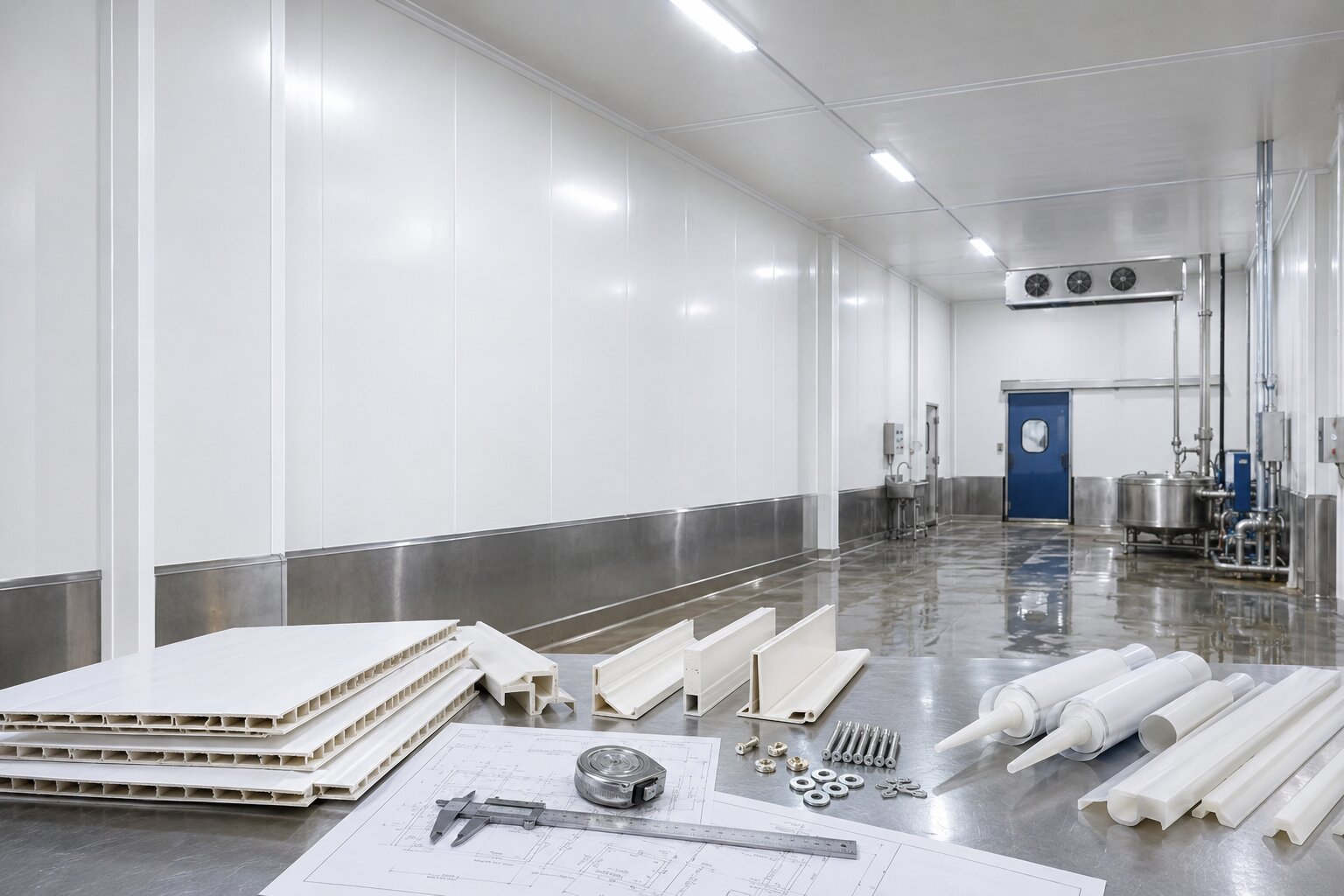 Trim, molding, and edge detailing contribute significantly to both the performance and appearance of your FRP installation. Properly selected and installed trim helps seal joints and edges, reducing the chances of moisture infiltration and protecting seams from wear. This also makes routine cleaning easier, as well-finished transitions are less likely to trap dirt or debris.
In environments exposed to heavy rain or typhoons, watertight edges and resilient trims help preserve panel integrity by limiting water ingress along vulnerable junctions. Edge detailing that matches your panel system enhances aesthetics while supporting durability, helping your walls and ceilings remain consistent in function and appearance over time.
Fastener Selection and Placement
Fastener type and placement influence both the performance and long-term stability of your FRP panels within your facility. Corrosion‑resistant fasteners, such as stainless steel or coated screws, help your installation withstand the humid Philippine climate and prevent rust or staining, which can compromise both appearance and performance over time.
Evenly spaced, well‑fitted fasteners also support thermal movement by allowing panels to expand and contract without generating stress that can cause cracking or warping. Planning your fastener layout to align with panel joints and expansion allowances helps maintain a secure, visually consistent installation. With thoughtful fastener selection and placement, your FRP panels are more likely to remain stable, durable, and easier to maintain throughout their lifespan.
How to Maximize Your FRP Panels in Specific Environments
Different areas of your facility present unique challenges that can affect FRP panel performance. By considering the specific conditions in each environment, you can plan your installation to keep your panels durable, reliable, and low-maintenance throughout their lifespan.
Hygienic Areas (Kitchens/Food Processing)
In kitchens and food processing areas, FRP panels are particularly effective because their non-porous surfaces resist bacteria and mold growth. Seamless installation with properly sealed joints helps prevent contamination, while antimicrobial panels offer added protection.
Regularly cleaning your walls and ceilings with gentle, non-abrasive agents keeps your surfaces sanitary, supports food safety compliance, and reduces ongoing maintenance requirements.
Industrial Applications
In industrial facilities, such as factories and warehouses, your FRP panels provide durability against chemical exposure, impact, and general wear. Choosing panels with enhanced chemical resistance and reinforcing high-impact areas with thicker panels or additional backing improves longevity.
Implementing a regular maintenance schedule to inspect and address wear or damage extends panel lifespan, supports operational efficiency, and ensures your facility remains safe and functional over time.
Find Reliable FRP Wall and Ceiling Panels at Industrial PH
At Industrial PH, we supply high-quality FRP wall and ceiling panels designed for durability, cost-efficiency, and compliance with Philippine safety standards. Our panels are engineered to meet the demands of your facility, ensuring your installation remains reliable, long-lasting, and suited to local conditions.
We also support your team throughout the sourcing process. From providing technical specifications to coordinating timely delivery, we help you select the right panels for your environment. With our expertise and guidance, sourcing your FRP panels becomes straightforward, giving you confidence that your walls and ceilings are equipped with dependable, high-performance solutions.
Key Takeaway
With a better understanding of the different design considerations for FRP wall and ceiling panels, you can ensure that your installation delivers long-term durability, maintains consistent performance, and supports a safe, efficient, and low-maintenance facility environment.
Maximize the performance, durability, and efficiency of your facility with Industrial PH’s FRP wall and ceiling panels. Contact us today for a consultation on specifying the right panels for your project.