5 Key Considerations for Industrial Refrigeration
 February 23, 2024

What to consider when choosing industrial refrigeration?
- Capacity and cooling requirements
- Cost considerations
- Energy efficiency
- Integration of new technology
- Reliability and maintenance
Overview
- Industrial refrigeration is a critical component in large-scale operations, particularly in the food and beverage industry.
- Understand the unique cooling needs, considering the products and total heat load of the industrial process.
- Matching the cooling system to the workload ensures efficiency, similar to a good air conditioning system.
- Incorporate smart monitoring systems and data analytics for real-time information, early problem detection, and efficiency improvement.
When it comes to large-scale operations in the food and beverage industry, one crucial player often operates behind the scenes – industrial refrigeration. However, the stakes are high, especially considering that roughly a third of the world’s food is wasted annually—amounting to a staggering 1.3 billion tons. Choosing the wrong refrigeration system in such a context can exacerbate this issue, inviting trouble right to your doorstep.
So join us as we explore the different key considerations for industrial refrigeration and help you make a confident decision, keeping your business efficient and strong in this vast landscape of industrial processes.
Capacity and Cooling Requirements
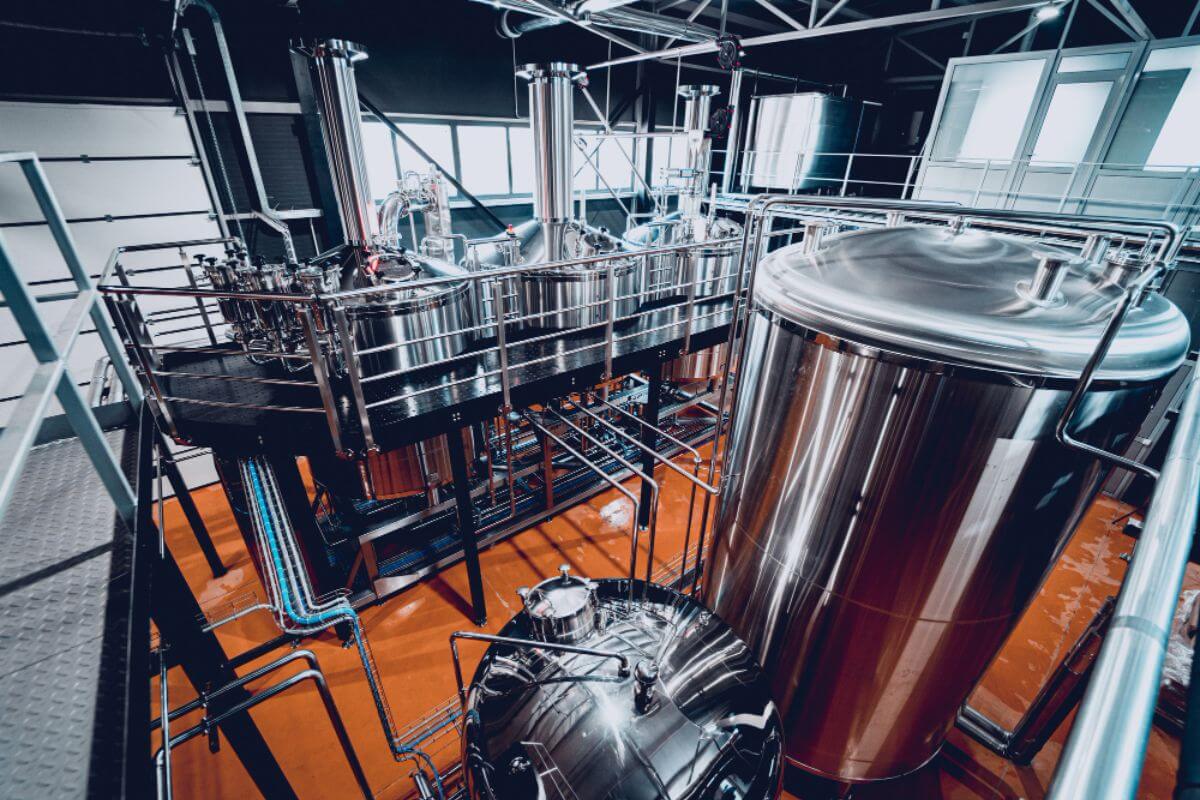
The first vital step in making sure everything goes as planned is to understand the unique cooling requirements of your industrial process or facility. Consider the products being processed or kept, such as perishables that require lower temperatures for preservation, if you operate in a food processing facility, for instance.
It is also important to consider the total heat load, which can be affected by many items, such as machinery and equipment. Maintaining the appropriate temperature levels will be possible if you ensure this cooling system matches the workload.
Similar to how a good air conditioning system keeps a room comfortable on a hot day, this makes things function more efficiently.
Cost Considerations
When choosing an industrial refrigeration system, it’s essential to consider the costs involved. This includes comparing how much different systems cost to set up and how much they will cost to run.
If you’re deciding between a traditional ammonia-based system and a more eco-friendly CO2-based system, consider the difference in upfront cost. You also need to think about ongoing costs, like how much energy the system will use and any potential maintenance expenses.
It’s all about making sure you understand all the financial aspects so that you can make the best decision based on your budget and long-term financial goals.
Energy Efficiency
To make sure your refrigerator is energy efficient, seek the Philippine Energy Label before making your purchase. Similarly, look for energy-saving features in an industrial refrigeration system.
Seek heat recovery systems that use waste heat for other purposes and variable speed compressors that change their speed in response to cooling requirements.
More efficient performance can also be achieved through sophisticated control techniques. Selecting an energy-efficient industrial refrigeration system can help create a more sustainable future by lowering your environmental effects and saving money on power.
Integration of New Technology
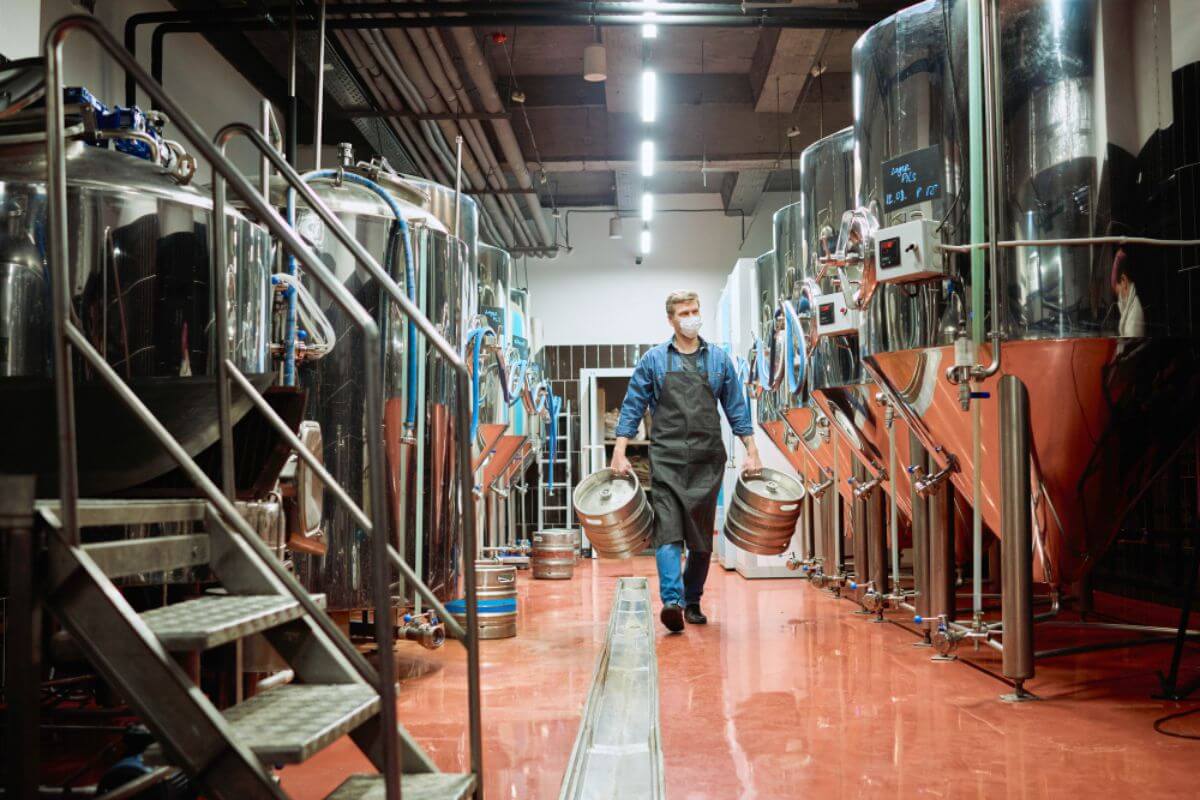
Staying up to date with the latest technology in industrial refrigeration is important. Incorporating innovations such as IoT sensors, predictive maintenance algorithms, and energy-efficient cooling systems optimizes performance, reduces downtime, and lowers operational costs.
Also, advancements in refrigeration technology enable compliance with evolving environmental regulations, minimizing ecological footprint.
For instance, by analyzing sensor data, anomalies can be detected early, allowing for timely interventions to prevent equipment failures or energy wastage.
Embracing new technologies fosters adaptability to market demands and promotes continuous improvement in industrial processes. Ultimately, staying abreast of technological advancements ensures that industrial refrigeration systems remain at the forefront of innovation, driving operational excellence and long-term success.
Reliability and Maintenance
To reduce malfunctions and downtime, industrial refrigeration systems need to be reliable and maintained regularly. That is why evaluating system constituents’ dependability and ease of maintenance, like condensers, evaporators, and compressors, is critical.
System reliability can be increased, for instance, by ensuring the compressor’s seals are conveniently accessible for regular maintenance and replacement. To maintain the system operating properly, it’s also critical to assess manufacturer support and the availability of spare parts, such as sensors and control valves.
Businesses can even lower more operational disruptions and related costs, such as repair costs and lost productivity, by investing in a reliable system. Aside from saving money, this wise investment offers owners and operators long-term stability, efficiency, and peace of mind.
Key Takeaway
Choosing the right system is a multifaceted process that demands careful consideration of the different key considerations for industrial refrigeration. By thoroughly assessing these factors, you can make informed decisions that align with their specific needs and operational goals.
Don’t let a faulty choice freeze your operations or spike your costs. Choose Industrial PH today and unlock the secrets to optimal industrial refrigeration. We will guide you in finding the perfect system that you need. Contact us today to ensure your industrial processes run smoothly without the chill of inefficiency.