Best Practices for Refrigeration Plants in Food Processing
 July 31, 2023

What are some of the best practices for refrigeration plants in food processing?
- Regular maintenance of equipment
- Utilizing energy-efficient technologies
- Installing adequate insulation
- Employee training and awareness
- Regular audits and continuous improvement
- Ensuring backup power supply
Overview
In this article, we explore essential strategies to optimize the functionality and efficiency of food refrigeration plants. We delve into key tactics, including preventive machinery care, smart energy utilization, best practices for insulation, workforce competence enhancement, continuous appraisal, and the implementation of safety measures such as HACCP. Additionally, we emphasize the significance of reliable backup power resources. By adopting these insights, refrigeration plants in the food processing industry can enhance productivity, ensure food safety and quality, and maintain operational continuity.
The food processing industry relies heavily on refrigeration plants in food processing for preserving quality, taste and preventing bacterial growth. In essence, these plants provide the ideal environment that extends the shelf-life of perishable goods, ensuring they reach consumers as fresh as possible.
However, this system’s efficiency depends on implementing the best practices that mitigate energy losses and maintain optimal refrigeration performance. Here are some practices that can help streamline operations in your refrigeration plant.
Regular Maintenance of Equipment
The strength and impeccable functioning of a refrigeration plant heavily rely on meticulous maintenance of its complex machinery, which includes refrigeration units, condensers, compressors, evaporators, and more. By conducting regular assessments, potential issues can be identified early, allowing for swift repairs and the preservation of full equipment efficiency.
Adhering to such proactive maintenance practices helps prevent unforeseen mechanical breakdowns that could lead to significant operational stoppages, safeguarding the plant from costly disruptions. Prioritizing regular maintenance ensures the refrigeration system operates optimally, maintaining the quality and safety of food processing operations.
Utilizing Energy-Efficient Technologies
Excessive energy usage is an enduring problem in industrial refrigeration systems. However, adopting energy-saving technologies can significantly lower energy costs and minimize carbon emissions. This involves advancing towards refrigeration units designed with energy conservation in mind, investing substantially in suitable insulating materials to prevent undue energy loss, as well as integrating automatic controls for precise temperature regulation.
Implementing these measures collectively creates a more energy-conscious operation, ensuring the system doesn’t squander power and maintains excellent performance, while significantly contributing to environmental preservation.
Installing Adequate Insulation
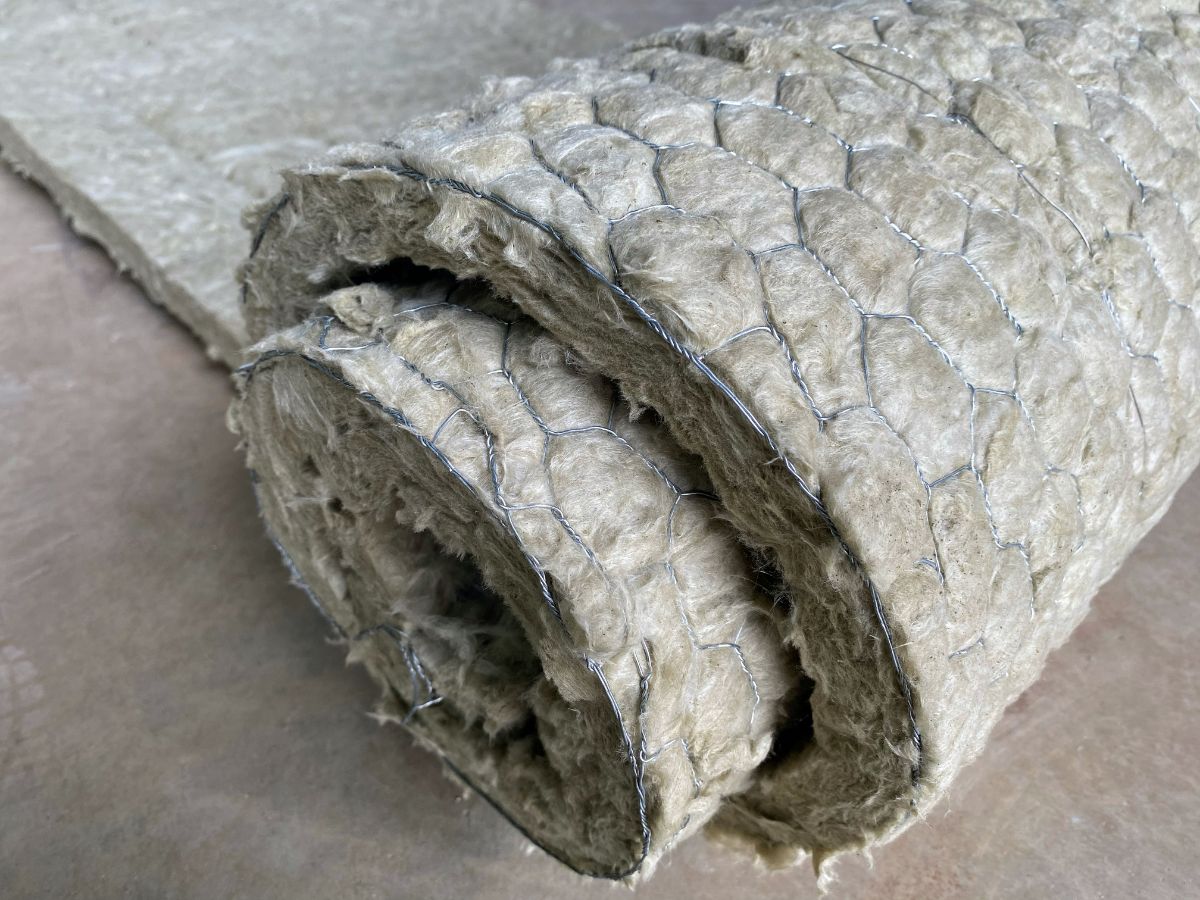
Proper insulation plays a critical role in minimizing energy losses from refrigeration plants. It is essential to ensure that every component of the refrigeration system, including pipes, walls, ceilings, doors, and floors, is adequately insulated.
To achieve optimal results, the insulating materials used should exhibit strong resistance to moisture penetration and high insulation efficiency. By prioritizing these parameters, refrigeration plants can maximize energy savings, enhance machinery performance, and contribute to the longevity of the equipment, ultimately reducing operational costs over time. Adequate insulation is a key aspect of maintaining energy-efficient and reliable refrigeration systems in food processing facilities.
Employee Training and Awareness
The personnel tasked with managing the refrigeration plant significantly impact its efficiency and output. Therefore, regular training sessions are vital to enhance their proficiency in operating machinery, understanding maintenance procedures, safety protocols, and compliance with regulatory standards for refrigerated food storage.
This refined skill set not only ensures smoother daily operations but also fosters a safer workplace environment, thus bolstering overall productivity and mitigating any potential setbacks in the refrigeration process.
Regular Audits and Continuous Improvement
Ensuring the efficiency and effectiveness of refrigeration plants necessitates regular audits. These audits play a crucial role in assessing the functionality of processes and identifying areas that require improvement, offering valuable insights for enhancement. In parallel, fostering a culture of continuous improvement encourages ongoing reevaluation and modification of processes, technology, and practices to maintain relevant and efficient standards.
A key aspect of this pursuit for excellence involves adopting the Hazard Analysis and Critical Control Point (HACCP) system, a preventive food safety measure. Through a comprehensive HACCP plan, essential steps are laid out to safeguard refrigeration operations, encompassing the identification of potential risks and the establishment of control points for constant monitoring. Implementing a stringent HACCP system is integral in preventing food contamination, aligning with the overarching objective of upholding the integrity of industrial refrigeration systems.
Ensuring Backup Power Supply
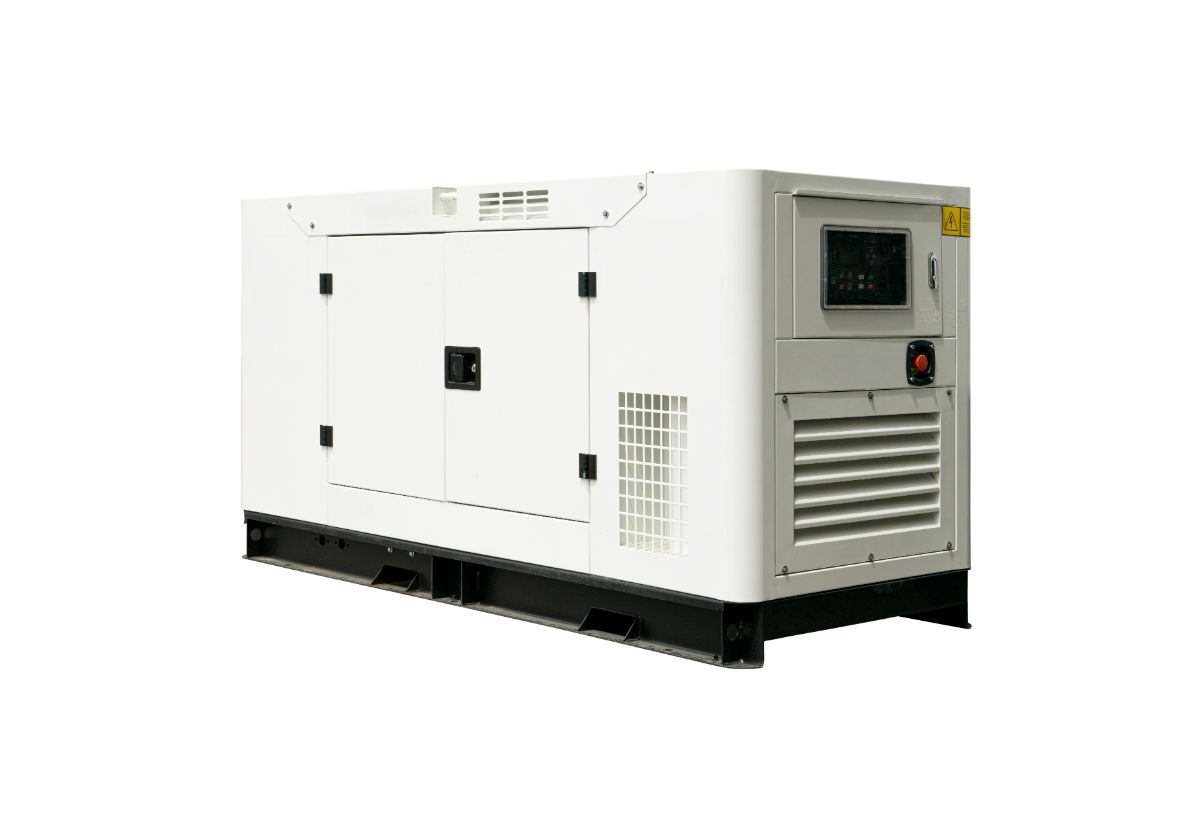
Refrigeration plants should be equipped with a sturdy backup power infrastructure that can seamlessly take over during unforeseen power outages. Such provisions for contingencies make certain that operations carry on unhindered, preserving refrigeration continuity.
This critical practice guarantees that no lapse in the refrigeration process occurs, thereby safeguarding the quality and safety of food products. In essence, a dependable backup power supply is an absolute necessity in maintaining uninterrupted refrigeration, crucial to warding off potential risks to the stored perishables and operational disruptions.
Key Takeaway
Running a refrigeration plant in the food processing industry requires a multifaceted approach that considers equipment, energy conservation, safety, and regular audits. By implementing these best practices, businesses can reduce costs, enhance food safety, and improve overall efficiency. As the industry continues to evolve, these best practices can provide a solid foundation for future advancements in refrigeration plants.
If you’re seeking the absolute best in food machinery in the Philippines, Industrial PH is your ideal partner. Backed by 25 years of engineering expertise, we specialize in providing advanced and diverse solutions for the food and beverages industries. From professional consultation to design, distribution, and installation of top-notch food machinery such as bottling equipment, food conveyor belts, and refrigeration units – we’ve got it all! Contact us now for queries.