Industrial vs Commercial Refrigeration: What’s the Difference?
 February 11, 2024

What are the differences between industrial and commercial refrigeration?
- Scale and capacity
- Temperature range
- Application and purpose
- Customization and control
- Complexity and maintenance
Overview
- Refrigeration is crucial for preserving perishable goods, and industrial and commercial systems, while both aiming to maintain optimal temperatures, have distinct differences.
- Industrial refrigeration is designed for large-scale operations, handling substantial quantities in facilities like food processing plants. In contrast, commercial refrigeration is tailored for smaller-scale businesses such as supermarkets and restaurants.
- Industrial refrigeration excels in a broad temperature range for various applications, particularly extremely low temperatures, while commercial systems are better suited for businesses focusing on food storage and display.
Refrigeration plays an important role in preserving perishable goods, and two primary categories that stand out are industrial and commercial refrigeration systems. While they share the goal of maintaining optimal temperatures for various applications, distinct differences set them apart.
In this article, we delve into the key disparities between industrial vs commercial refrigeration, exploring their scale and capacity, temperature range, application and purpose, customization and control, complexity and maintenance.
Scale and Capacity
Industrial refrigeration systems are specifically engineered for large-scale operations, capable of handling substantial quantities of products or materials. They are commonly utilized in expansive facilities such as food processing plants, cold storage warehouses, and manufacturing units.
In contrast, commercial refrigeration systems are tailored for smaller-scale businesses like supermarkets, restaurants, and convenience stores. These systems are designed to meet the individual needs of these establishments rather than the extensive requirements of industrial processes.
Their capacities are optimized to provide efficient cooling solutions for the specific demands of these businesses, ensuring the preservation and quality of perishable goods, both playing a vital role in maintaining the integrity of products and materials, albeit in different operational scales and contexts.
Temperature Range
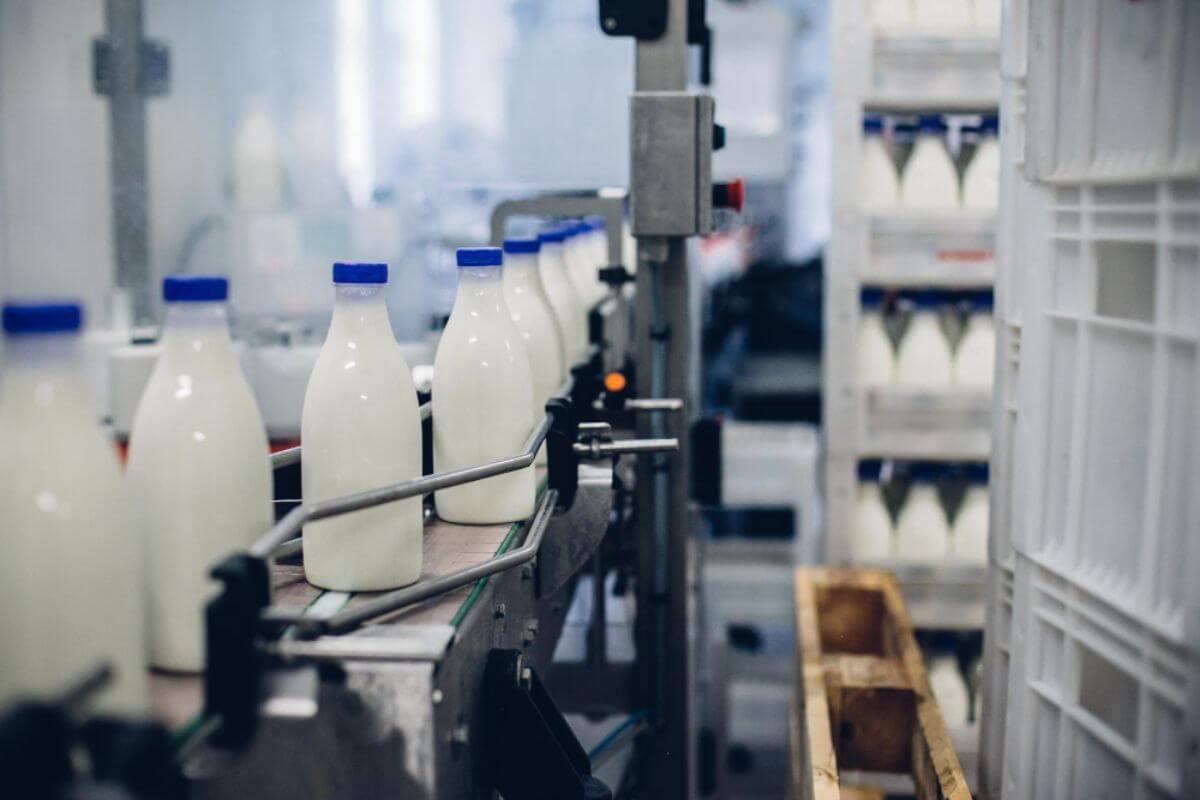
With a notably broad temperature range, industrial refrigeration systems are highly versatile for diverse industrial applications, accommodating extremely low temperatures for freezing applications and higher temperatures for specific industrial processes.
This refrigeration excels most in maintaining extremely low temperatures, making them ideal for industries that require freezing applications, such as food processing, cold storage facilities, and pharmaceutical production. They are also well-suited for large-scale cooling needs in manufacturing processes and HVAC systems.
On the other hand, commercial refrigeration systems are better tailored for businesses where the primary focus is on food storage, preservation, and display. This includes supermarkets, grocery stores, restaurants, and other food retail outlets where maintaining specific refrigeration and freezing temperatures for perishable goods is essential.
Application and Purpose
Various sectors, including food and beverage production, chemical processing, and pharmaceutical manufacturing, benefit greatly from the crucial role played by industrial refrigeration. These systems are versatile and can handle a wide range of industrial tasks, especially those needing very low temperatures for processes like freezing and cooling.
While, commercial refrigeration is mainly for storing and displaying perishable goods in businesses such as grocery stores, restaurants, and convenience stores. The focus is on meeting the specific needs of each business, ensuring that food items are kept and displayed at the right temperatures to maintain quality and safety.
Customization and Control
Designed to be very flexible and can control temperature, humidity, and other environmental factors precisely, Industrial refrigeration is crucial for meeting the unique requirements of various industrial processes due to being customizable and tailored to specific needs.
Commercial refrigeration systems, on the other hand, are more standardized and offer less customization. They are designed to meet the general refrigeration needs of commercial establishments without highly specialized features. While they are effective for typical cooling needs, they may not offer the same level of precise control or specialization as industrial systems.
Complexity and Maintenance

The complexity of industrial refrigeration systems is well known, as they are utilized for a wide range of applications, requiring specialized knowledge and skilled technicians to ensure optimal performance. Conversely, commercial refrigeration systems are characterized by their simpler design, making them more user-friendly and easier to maintain and repair, often manageable by local technicians.
This means that industrial refrigeration systems demand specialized expertise for maintenance and operation, while commercial refrigeration systems offer a more straightforward approach, facilitating easier maintenance and repair by local technicians.
By understanding the discrepancy in complexity between industrial and commercial refrigeration systems, you can guarantee that each system receives appropriate maintenance and operates effectively according to its intended purpose.
Key Takeaway
It’s important for businesses and industries that use refrigeration to understand the differences between industrial vs commercial refrigeration systems. Factors like size, temperature range, how they’re used, customization, and maintenance make each type of system unique for preserving perishable items, and knowing these distinctions helps businesses choose the right refrigeration system for their needs.
Whether you’re in industrial manufacturing or run a commercial establishment, Industrial PH has the refrigeration expertise you need. Enhance efficiency, reduce costs, and ensure product integrity with our top-notch industrial and commercial refrigeration solutions. Contact us today for a consultation and take the first step toward optimal temperature control for your operations.