Best Practices for Effective Industrial Refrigeration Maintenance
 December 6, 2024
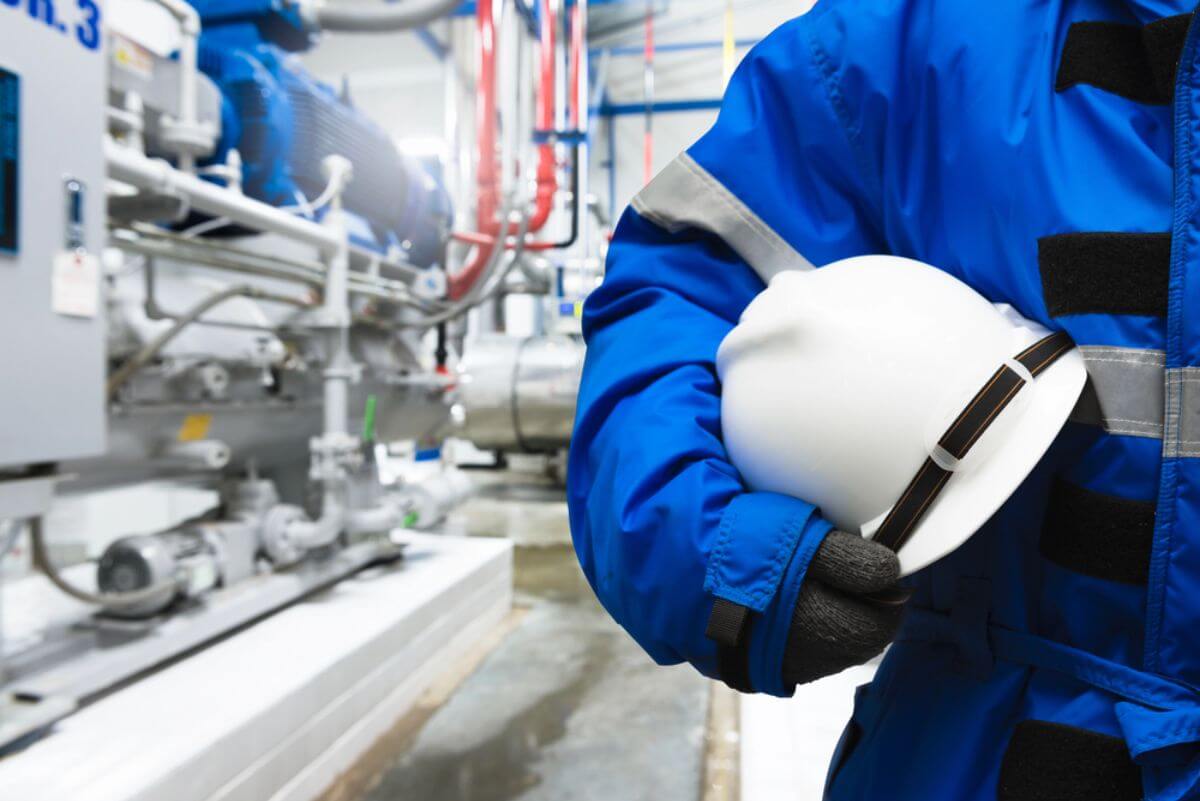
What are the best practices for effective industrial refrigeration maintenance?
- Schedule regular maintenance
- Clean components thoroughly
- Monitor refrigerant levels consistently
- Optimize system settings
- Train staff on emergency protocols
Overview
- This article focuses on essential practices for effective industrial refrigeration maintenance.
- Several best practices include scheduling regular maintenance, cleaning components thoroughly, monitoring refrigerant levels, optimizing system settings, and training staff on emergency protocols.
Industrial refrigeration refers to the use of refrigeration technology to maintain low temperatures in large-scale applications, such as food processing, chemical manufacturing, and pharmaceutical production.
These systems control the temperature of perishable products, preserve raw materials, and maintain optimal equipment conditions. Effective industrial refrigeration maintenance prevents failures, reduces energy costs, and boosts productivity. This article covers essential maintenance practices to ensure long-term, reliable operation.
Schedule Regular Maintenance
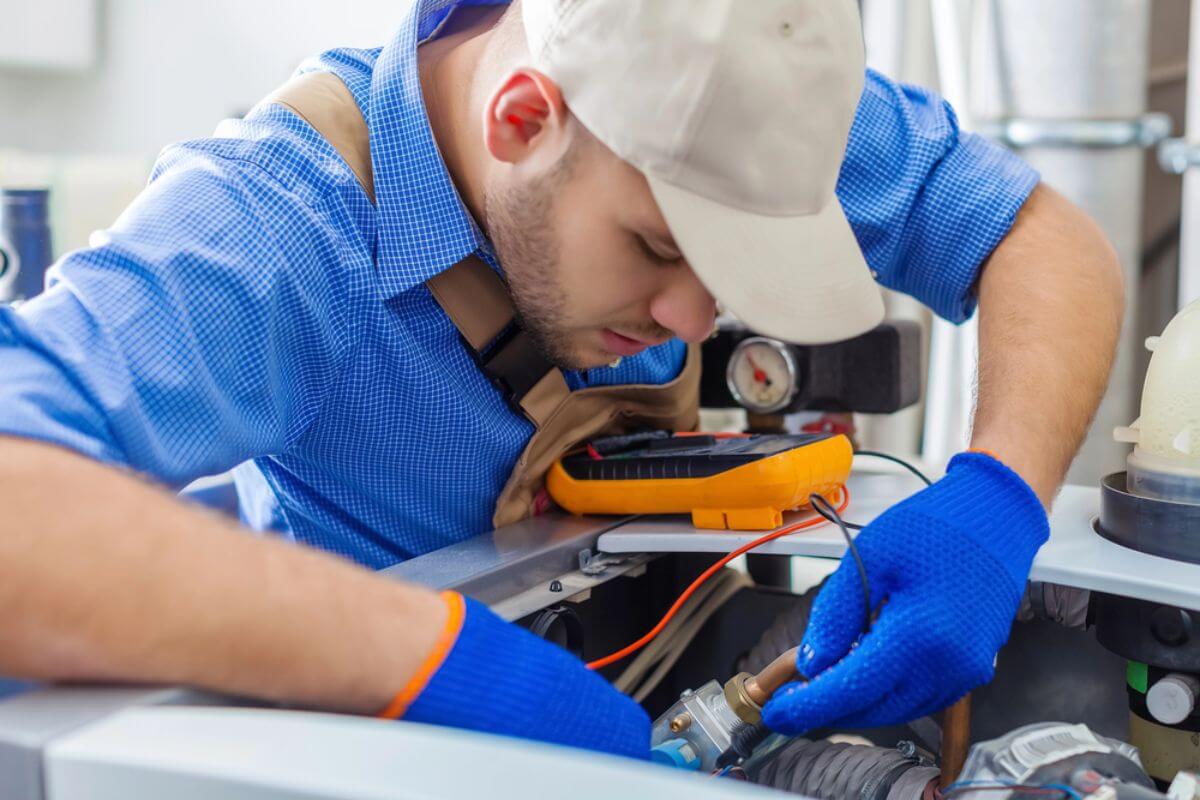
Routine maintenance helps identify and address potential issues before they escalate to a more costly repair. When you keep your refrigeration equipment in optimal condition, you can minimize downtime, maintain consistent production levels, and reduce energy consumption, ultimately leading to lower operational costs.
Determining the frequency of maintenance depends on several factors, including the type of refrigeration system, usage intensity, and manufacturer recommendations. Typically, you should consider scheduling professional maintenance at least once every three to six months, with more frequent checks, such as monthly or bi-monthly recommended for high-demand systems or during peak production periods.
It’s also beneficial to perform weekly visual inspections to check for any obvious signs of wear or malfunction, such as unusual noises, leaks, or temperature fluctuations.
Clean Components Thoroughly
Over time, dust, dirt, and debris can accumulate, obstructing airflow and disrupting heat exchange. This not only forces the system to work harder but also leads to increased energy costs. By committing to regular cleaning, you can prevent equipment failures and significantly extend the lifespan of your refrigeration system.
You can establish a routine inspection schedule. Start by using a soft brush or vacuum to clear debris from condenser coils, apply a coil cleaner for any stubborn buildup, and rinse with water afterward.
Evaporator coils should be cleaned similarly, while filters should be replaced or cleaned according to the manufacturer’s guidelines.
Consistent maintenance not only boosts the efficiency of your refrigeration system but also contributes to cost savings and ensures the quality of your products remains high.
Monitor Refrigerant Levels Consistently
Refrigerant plays a vital role in the cooling process, as it absorbs heat and allows the system to achieve and maintain low temperatures. Low refrigerant levels can lead to reduced cooling capacity, causing the system to work harder and increasing energy consumption.
Low refrigerant levels can damage key components like the compressor, leading to costly repairs or system failure. Regular monitoring ensures smooth operation, protecting equipment and production. Check pressure gauges against manufacturer specifications and inspect for leaks, such as oil residue. Periodic pressure tests or professional assessments ensure accuracy and reliability.
Optimize System Settings
An optimized refrigeration system also ensures consistent cooling performance, which is crucial for maintaining product quality and meeting regulatory standards in manufacturing environments.
To optimize your system settings, start by reviewing the manufacturer’s guidelines and tailoring settings to your specific operational needs.
Check temperature set points and adjust them to avoid excessive cooling, which can overburden the system and increase energy use. Monitor and adjust compressor cycling to reduce wear, and calibrate sensors to ensure accurate readings.
Regularly assess and fine-tune these settings based on production demands and seasonal changes, and consider consulting a professional technician to help you identify further optimization opportunities.
Train Staff on Emergency Protocols
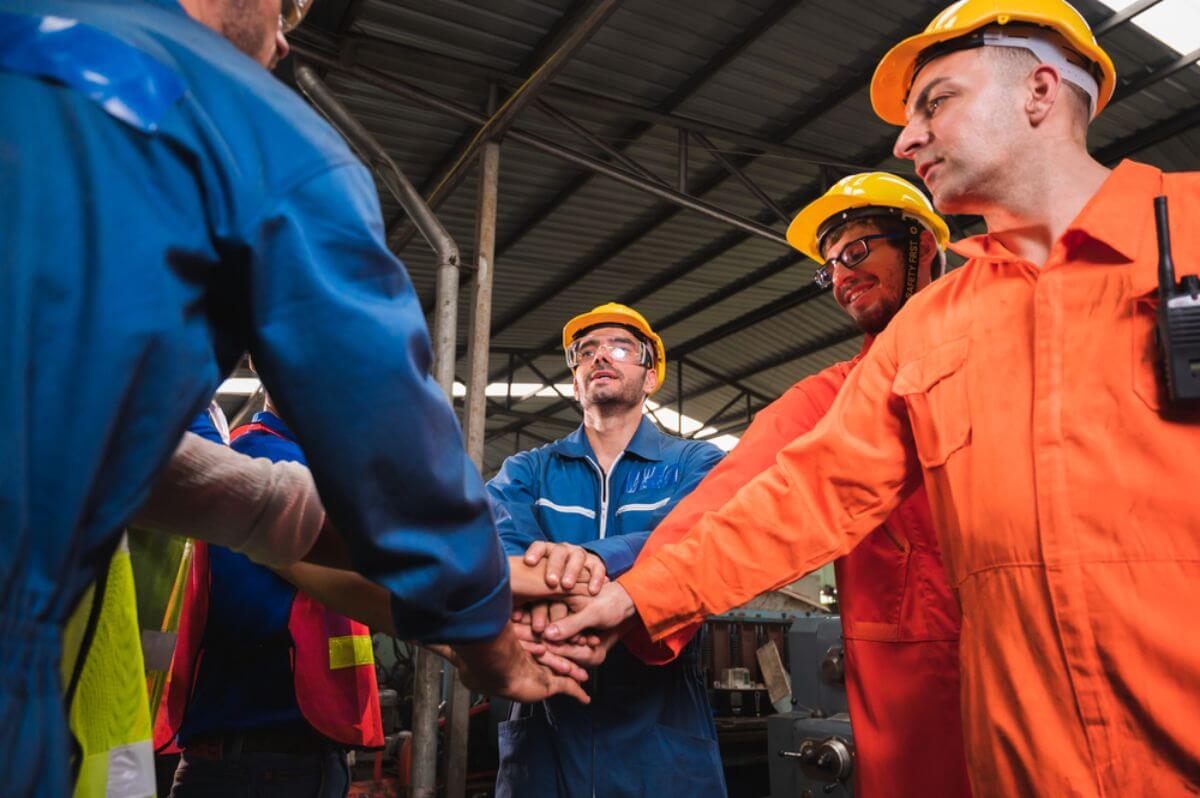
Industrial refrigeration systems often involve high-pressure refrigerants and complex machinery, where sudden leaks, power failures, or temperature fluctuations can pose significant risks to both personnel and production. When you have a well-trained staff, you can minimize response time in emergencies and prevent potential equipment damage, thus reducing costly downtime and safeguarding overall productivity.
For instance, if a leak is detected, staff should first activate the alarm and evacuate the affected area. Trained personnel would then follow safety guidelines, such as wearing personal protective equipment (PPE) and shutting down the system to contain the leak. Finally, they would notify the emergency maintenance team to assess and repair the leak safely.
Regular training on such protocols ensures that your employees are prepared to handle emergencies, enhancing safety and maintaining a smooth, uninterrupted operation for your business in the Philippines.
Key Takeaway
Adopting best practices for industrial refrigeration maintenance ensures system reliability, efficiency, and longevity. Consistent industrial refrigeration maintenance boosts operational success and helps your business stay competitive in the evolving manufacturing landscape.
At Industrial PH, we are dedicated to providing high-quality products and exceptional service tailored to meet your specific needs. Our expertise in refrigeration systems ensures you receive reliable, efficient solutions that enhance productivity and reduce operational costs. Contact us today to learn more about our innovative solutions.