Different Types of Refrigeration Plants
 March 27, 2024

What are the types of refrigeration plants?
- Vapor compression refrigeration
- Absorption refrigeration
- Vapor absorption refrigeration
- Evaporative cooling
- Thermoelectric refrigeration
Overview
- Choosing the right refrigeration system is crucial for businesses as it directly impacts their processes.
- Refrigeration plants are different based on their system design. This article delves into details regarding vapor compression refrigeration, absorption refrigeration, vapor absorption refrigeration, evaporative cooling, and thermoelectric refrigeration.
- Industrial PH can help address your industrial refrigeration needs, given their experience and track record in project management.
Effective and dependable cooling is vital in various aspects of our lives—from food preservation to maintaining comfortable working environments. However, selecting an optimal refrigeration system is more than just a one-size-fits-all endeavor.
This guide delves into the different types of refrigeration plants used by various industries.
What is a Refrigeration Plant?
Refrigeration plants are complex systems engineered to cool or freeze substances by removing heat from them. They are found in diverse industries like food and beverage, chemical manufacturing, pharmaceuticals, and building HVAC systems. They function by transferring heat using a refrigerant.
What are the Different Classifications of Refrigeration Plants?
Refrigeration plants can be categorized into different types depending on factors such as the refrigerant utilized, the application, and the cooling methodology. Here are several common classifications:
Vapor Compression Refrigeration
Vapor compression refrigeration is frequently utilized in the industrial setting, especially in food and beverage processing and chemical manufacturing. This is due to its exceptional efficiency, remarkable versatility, and well-established technology.
This method leverages pressurization to manipulate the state of a refrigerant, offering a dependable and effective solution for large-scale cooling needs. They can also be adapted to various cooling capacities and temperature requirements, making them suitable for a wide range of industrial applications.
Absorption Refrigeration
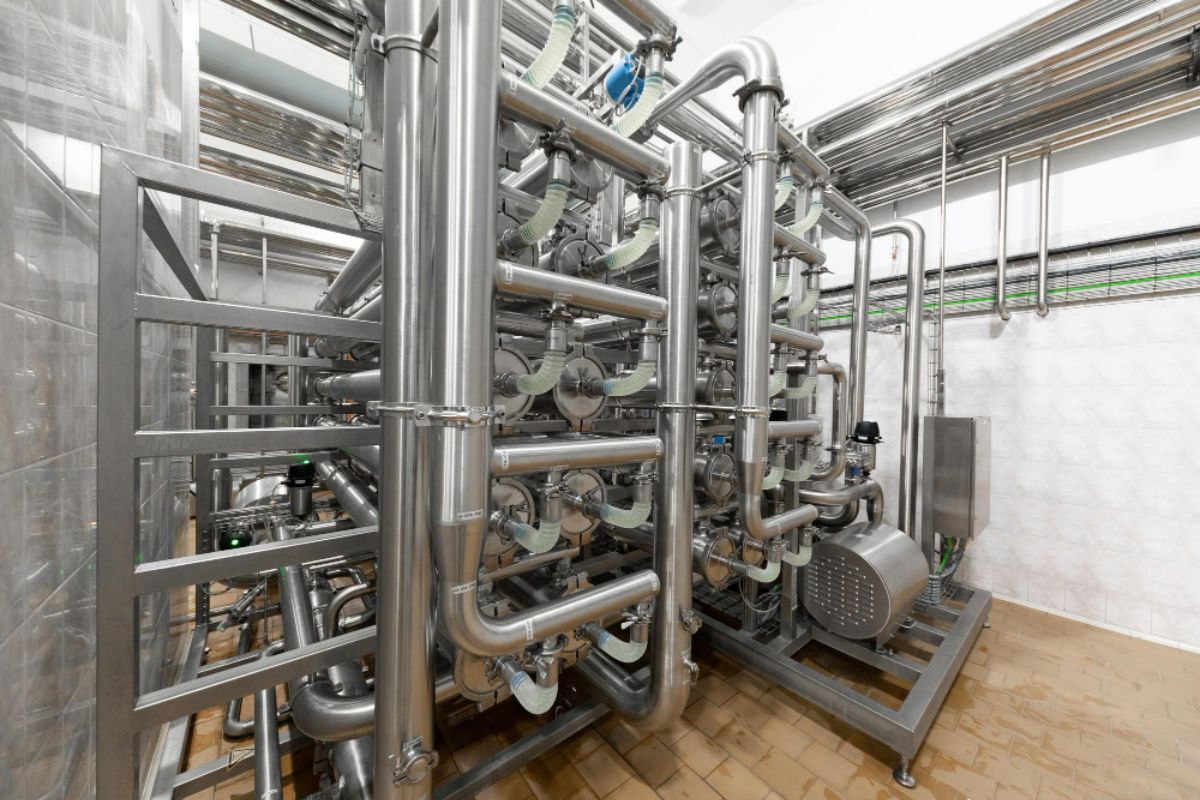
Absorption refrigeration stands out for businesses prioritizing sustainability. Unlike conventional electric systems, it utilizes waste heat as its primary fuel, significantly reducing reliance on conventional energy sources. This translates to cost savings and a smaller carbon footprint.
Chemical plants and cement producers, with abundant waste heat, find this technology particularly attractive. While the initial investment might be higher, absorption refrigeration offers a strategic solution for businesses seeking to optimize resource utilization and solidify their environmental leadership.
Vapor Absorption Refrigeration
The vapor absorption refrigeration system is better than traditional absorption refrigeration setups due to their utilization of a refrigerant capable of switching between gaseous and liquid states. While both types of systems achieve cooling by absorbing heat, this one capitalizes on the distinct properties of their refrigerant, enabling phase changes throughout the operational cycle.
It excels in utilizing low-grade heat sources for operation, making them ideal for environments with access to waste heat or renewable energy sources. This enhances energy efficiency and sustainability, especially when compared to vapor compression systems.
Evaporative Cooling
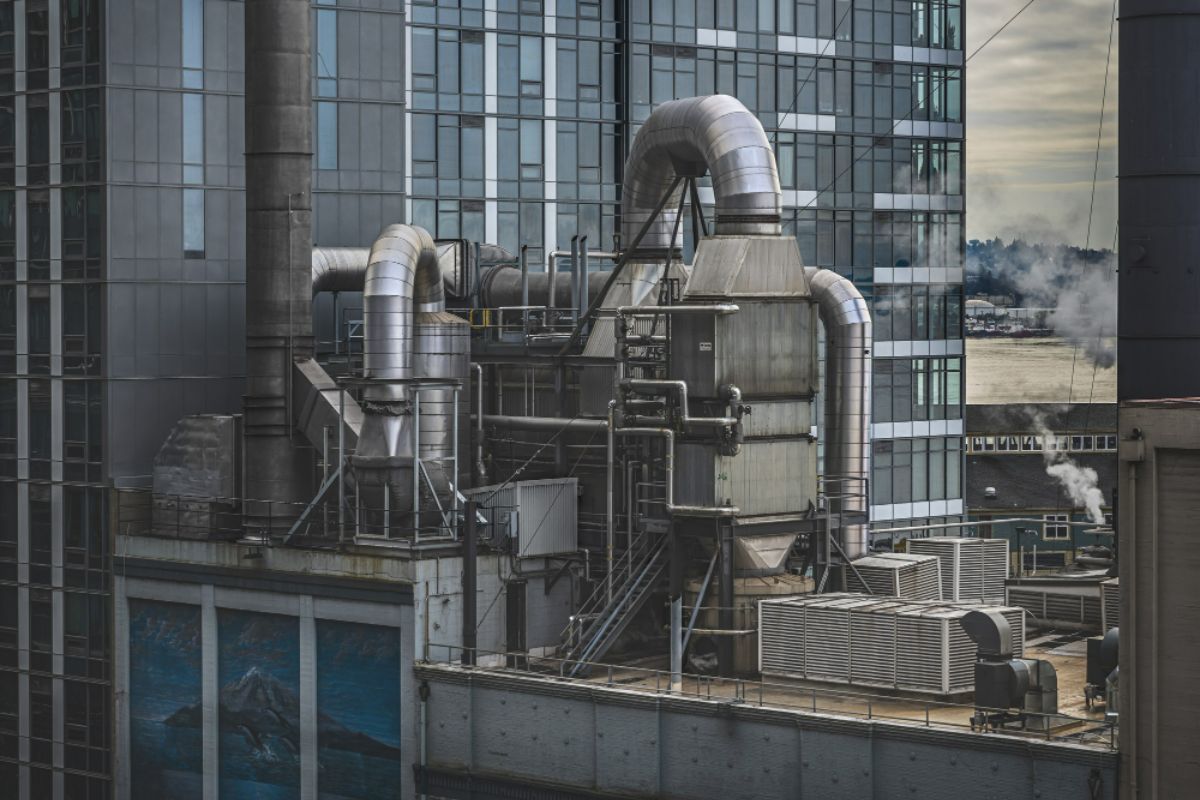
Businesses seeking eco-friendly and cost-effective cooling solutions are increasingly embracing evaporative cooling systems. This technology offers a compelling alternative to traditional air conditioning by harnessing a natural phenomenon called evaporation.
Evaporative systems intake hot air and guide it through water-soaked pads. Through the evaporation of water, heat is absorbed from the air, leading to a notable reduction in temperature.
This eco-friendly method requires minimal electricity, with these systems capable of functioning on as little as 10% of the energy required for mechanical cooling.
Thermoelectric Refrigeration
Thermoelectric refrigeration operates based on the Peltier effect, which generates a heat flux when an electric current passes through the junction of two dissimilar materials. This effect causes one side of the junction to absorb heat while the other side releases it, creating a cooling effect on one side and a heating effect on the other.
This is beneficial for small-scale cooling applications due to its compact size, simplicity, and lack of moving parts. Portable coolers, wine refrigerators, and other similar devices benefit from thermoelectric refrigeration systems because they require minimal maintenance and offer silent operation.
Why Choose Industrial PH for Your Refrigeration Needs?
Selecting the right refrigeration system for your business operations is essential for maintaining product quality, minimizing energy costs, and enhancing overall customer satisfaction. However, it’s equally critical to partner with a reputable company that possesses extensive project management experience across a wide range of industries.
Industrial PH, powered by GRUPP Inc., leverages a team of seasoned employees boasting over 25 years of experience. Combined with a dedicated workforce of multi-skilled personnel, this expertise allows us to effectively tackle diverse projects within the industrial sector.
Our team of engineers boasts a proven track record, having designed over 21 successful systems. Through close collaboration with clients, we ensure the delivery of well-designed solutions for industrial processes and food machinery.
Key Takeaway
Businesses should identify the cooling system they need among the various types of refrigeration plants. This will have a direct impact on their product quality, energy costs, and customer satisfaction. Additionally, partnering with experienced process engineering companies can facilitate the successful implementation and operation of the chosen refrigeration system.
We at Industrial PH offer a comprehensive range of refrigeration solutions, specifically designed to meet the unique needs of various sectors. Contact us today to discuss your specific requirements and discover how our customized solutions can keep your operations running smoothly.