5 Industries that Use Industrial Refrigeration
 February 25, 2024

What industries use industrial refrigeration?
- Food and beverage industry
- Chemical and pharmaceutical industry
- Cold storage and logistics
- Energy industry
- HVAC
Overview
Industrial refrigeration is a crucial technology with diverse applications in various sectors such as food and beverage, chemical and pharmaceutical, cold storage and logistics, energy, and HVAC.
Ever wonder about the secret behind keeping your food fresh, your medicines effective, and your surroundings comfortable? In this article, we will discuss the benefits and the different industries that use industrial refrigeration.
From preserving the crispness of your veggies to optimizing energy delivery, industrial refrigeration works its magic in countless ways, ensuring freshness and efficiency across various applications.
Food and Beverage Industry

Refrigeration systems are vital in various industries, such as cold storage facilities, food processing plants, and distribution hubs. For instance, in cold storage facilities, refrigeration is crucial for preserving large quantities of fruits, vegetables, dairy goods, and meats. Without proper temperature control, these perishable items would quickly spoil, leading to significant business losses and potential health risks for consumers.
From chilling raw materials to keeping finished products at optimal temperatures, refrigeration ensures that food remains safe and fresh. This is particularly important for items like dairy products, where maintaining the right temperature is crucial for preventing bacterial growth and maintaining taste and texture.
With reliable refrigeration, the supply chain would be smooth, and businesses would be able to provide consumers with safe and fresh food options. They also ensure that perishable items are kept at the ideal temperature, preventing spoilage, extending shelf lives, and ultimately guaranteeing that consumers receive safe and fresh products.
Chemical and Pharmaceutical Industry
Industrial refrigeration is crucial in the chemical and pharmaceutical industry for maintaining precise temperature control during the storage and transportation of sensitive materials.
In chemical production, refrigeration ensures the integrity of reactive chemicals and prevents temperature-induced degradation, which is crucial for specific chemical reactions requiring precise temperature conditions. For example, industrial refrigeration systems are important for meeting these conditions.
Meanwhile, in the pharmaceutical sector, refrigeration is vital for preserving the efficacy of vaccines, biologics, and other temperature-sensitive medications. Vaccines and biologics must be stored at precise temperatures to maintain potency and prevent spoilage.
Industrial refrigeration also facilitates the safe and efficient storage of raw materials, intermediate products, and finished goods in both industries, ensuring product quality, extending shelf life, and minimizing waste.
Cold Storage and Logistics
Industrial refrigeration is a game-changer in the cold storage and logistics sector, ensuring the safe storage and movement of items that are sensitive to temperature.
Think of a big warehouse stocked with perishable goods, such as fresh vegetables, medications, and even vaccines. Industrial refrigeration systems keep these commodities at exact, constant temperatures, which keeps them from spoiling and preserves their quality.
This is especially important for transportation, as these systems allow refrigerated vehicles to maintain the proper temperature of the goods during the trip. For example, to preserve their efficacy, vaccines need to be carried out and kept under certain circumstances.
This is a critical component used by cold storage and shipping organizations to establish a dependable and controlled environment that protects product integrity from the point of origin to the ultimate destination.
Energy Industry
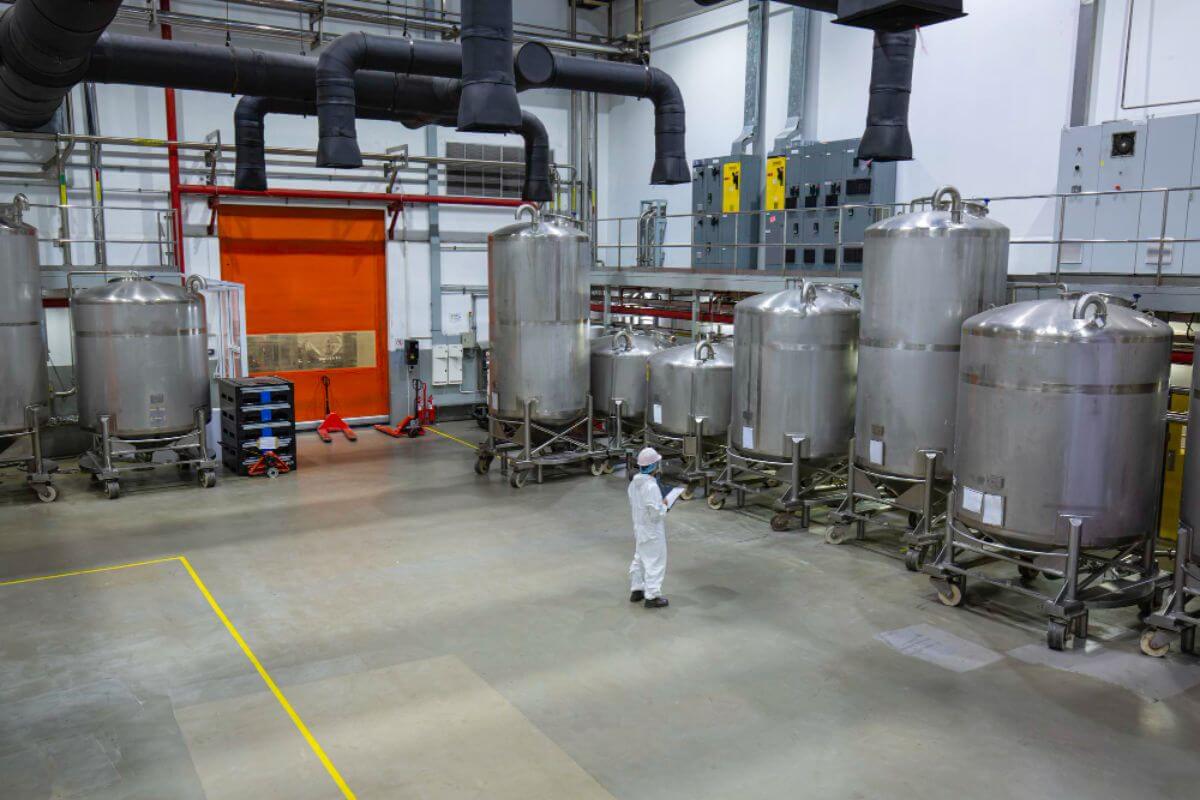
Industrial refrigeration is essential to the energy industry, especially for the liquefaction and processing of natural gas. When natural gas is extracted from its source, it is cooled and condensed into liquid using industrial refrigeration, resulting in liquefied natural gas (LNG).
LNG is now a feasible energy source because of this technique, improving transportation and storage efficiency. Gas transportation via pipelines or ships is also made easier by refrigeration, which maintains the gas in a condensed state. This technique is essential for extending the reach of natural gas supplies so that energy can be produced in a variety of locations.
The Energy Industry serves as an excellent example of the importance of industrial refrigeration in streamlining operations, enhancing energy transportability, and enhancing the sustainability and accessibility of natural gas as a valuable energy source.
HVAC
Heating, ventilation, and air conditioning (HVAC) systems rely on industrial refrigeration to regulate air temperature in various environments. This technology ensures occupant comfort in commercial buildings and helps maintain precise temperatures to safeguard delicate equipment and pharmaceuticals in hospitals.
Also, industrial refrigeration is crucial for data centers to prevent overheating and maintain continuous operation due to their heat-sensitive functions. By enhancing indoor air quality, industrial refrigeration creates healthier and more comfortable living and working environments.
It plays a very important role in ensuring the reliability, effectiveness, and comfort of spaces in which we reside and work.
Key Takeaway
As technology advances, the different industries that use industrial refrigeration become even more efficient and sustainable, holding the promise of meeting the current demands of various sectors and spearheading advancements that align with global sustainability goals.
If you are looking for trusted industrial refrigeration for your needs, look no further than Industrial PH. Dive into our comprehensive range of solutions tailored to meet the unique demands of sectors such as food, pharmaceuticals, logistics, energy, and HVAC. Contact us today!