What Should Industrial Facilities Ask Before Hiring an HVAC Contractor?
 April 9, 2026
What should industrial facilities ask before hiring an HVAC contractor?
- Licensing and insurance
- Experience
- Project specifics and equipment needed
- Cost and warranty
- Maintenance and emergency support
Overview
- Industrial facilities should ask HVAC contractors about licensing, insurance, and relevant experience to confirm they are qualified for large-scale or specialized projects.
- Reviewing project assessments, equipment recommendations, pricing, warranties, and service agreements helps decision-makers avoid generic solutions and hidden costs.
- Knowing key red flags, such as unusually low bids, lack of documentation, pressure tactics, and skipped load calculations, helps facilities choose a reliable HVAC partner.
- Partnering with a trusted provider helps ensure tailored solutions, efficient installation, and long-term support.
Hiring an HVAC contractor for an industrial facility requires more than comparing prices or choosing the first available provider. The contractor you select can affect system reliability, energy efficiency, installation quality, maintenance costs, and overall facility operations.
For facility managers and procurement officers, asking the right questions before signing an agreement helps reduce the risk of poor workmanship, mismatched equipment, hidden costs, and unreliable after-sales support.
In this article, we’ll discuss what industrial facilities should ask before hiring an HVAC contractor, from licensing and experience to equipment recommendations, warranties, service agreements, and red flags to avoid.
Licensing and Insurance
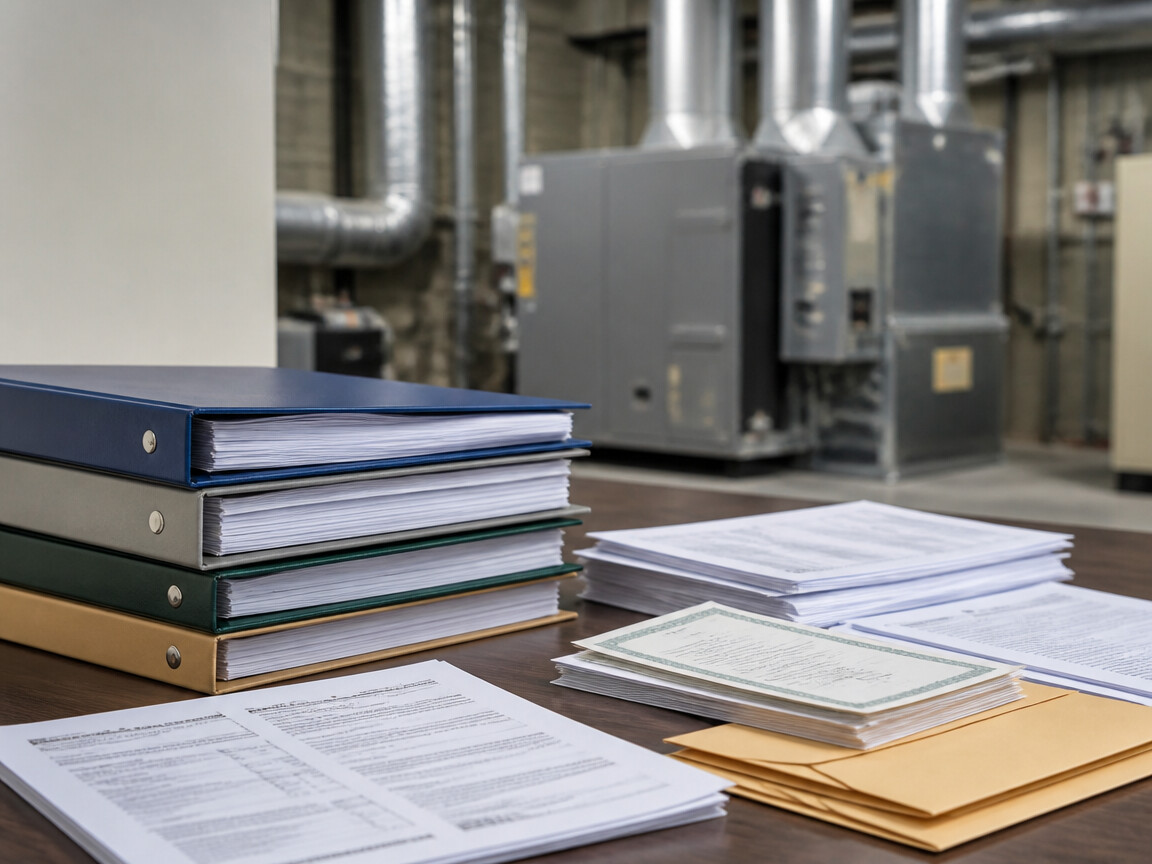
In the Philippines, verifying a contractor’s credentials is a critical step in protecting your facility from unqualified or fraudulent HVAC providers offering similar packages. Under RA 4566, contractors, subcontractors, and specialty contractors must secure a valid PCAB license before engaging in contracting business. A valid PCAB license helps confirm that a contractor has met baseline requirements related to technical capability, financial capacity, equipment resources, and relevant experience.
For large-scale industrial projects, higher PCAB classifications such as AAA or AA may indicate greater capacity to handle larger or more complex work. However, facilities should still verify the contractor’s HVAC-specific experience, specialty classification, and relevant project history.
Equally important is comprehensive insurance coverage. General liability, workers’ compensation, and Contractors’ All Risks (CAR) insurance help protect your facility against third-party injuries, property damage, and project-related risks, depending on the policy coverage.
Confirming active certifications, insured subcontractors, and appropriate coverage limits helps support legal compliance while reducing operational and financial risk.
Experience
Industrial HVAC systems vary widely depending on facility size, cooling load, operating hours, equipment type, and process requirements. A contractor without direct experience in your type of facility may overlook critical details, misdiagnose issues, or recommend systems that do not match your operational needs.
Instead of only asking how long a contractor has been in business, evaluate whether their experience is relevant to your project. Ask if they have handled similar industrial facilities, comparable HVAC systems, and projects with similar load demands or operating conditions.
Past performance is often one of the clearest indicators of reliability. Reputable contractors should be able to provide recent references, documented case studies, or verifiable customer reviews that show the quality of their work.
Working with an established provider such as Industrial PH offers an added layer of confidence. Backed by a team of over 100 certified engineers with experience in designing, installing, and maintaining HVAC systems across diverse industries, Industrial PH delivers technically sound solutions grounded in real-world expertise.
Project Specifics and Equipment Needed
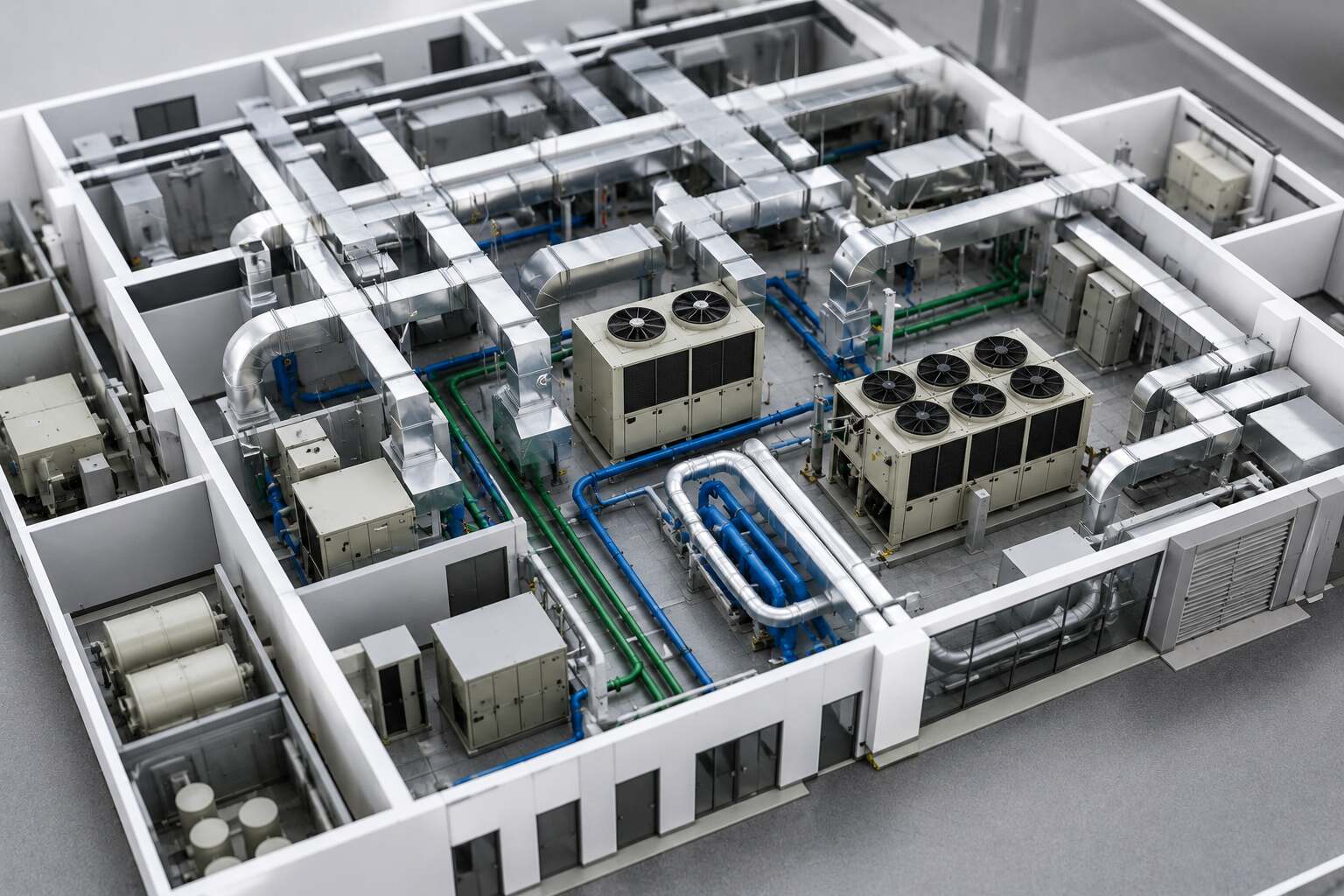
Even a highly experienced contractor may fall short if they offer a generic solution instead of one tailored to your facility’s actual requirements. Ask whether they perform proper load calculations or facility-specific assessments to determine the right cooling capacity, airflow, and system design. This helps ensure that the proposed HVAC system matches your facility’s operational needs, reducing the risk of inefficient performance, system strain, or unexpected disruptions.
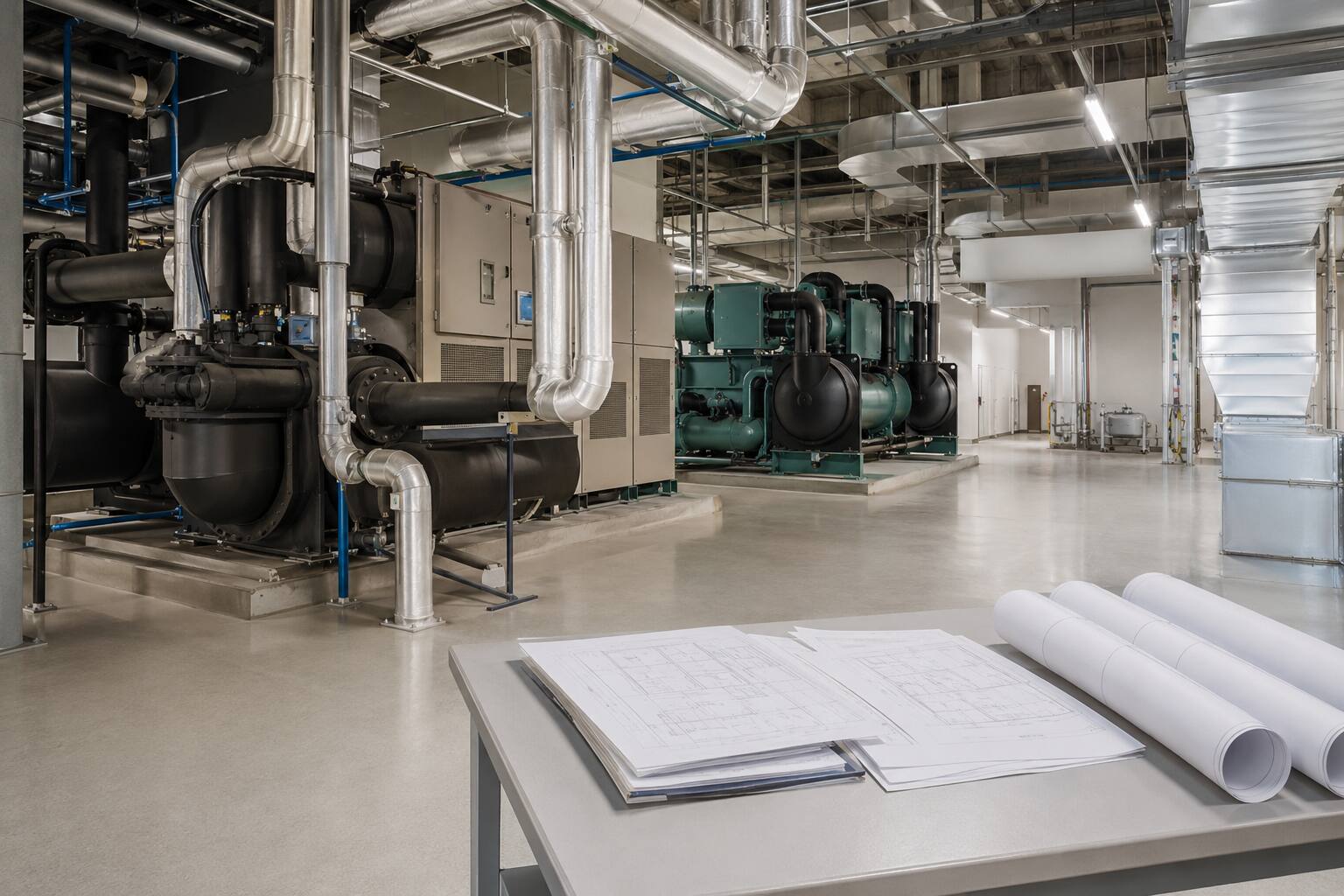
You should also review the contractor’s equipment recommendations carefully. A reliable contractor should explain why they are recommending specific chillers, variable refrigerant flow (VRF) systems, controls, or other HVAC equipment, especially for facilities operating in humid Philippine conditions. They should also discuss energy efficiency, equipment compatibility, manufacturer support, and maintenance requirements.
Finally, ask how the contractor handles permits, site protection, installation planning, and cleanup. These details help ensure a smoother, more compliant installation with fewer disruptions to your operations. At Industrial PH, we support facilities with custom HVAC system design, industrial chillers, VRF solutions, and full lifecycle support from planning to maintenance.
Cost and Warranty
Transparent, itemized proposals help facility managers and procurement officers compare contractors more accurately and avoid hidden costs. A complete proposal should clearly break down equipment costs, model numbers, labor, permits, installation requirements, and any recommended service plans.
Knowing what to ask before signing with an HVAC contractor helps you clarify the full payment structure, possible additional charges, financing options, and warranty coverage. This includes verifying the length and scope of labor warranties, workmanship guarantees, manufacturer warranties, compressor coverage, parts coverage, and any conditions that may void the warranty.
Strong warranty terms and clear service agreements help protect your budget after installation. Longer or transferable warranties may also indicate the contractor’s and manufacturer’s confidence in the quality and reliability of the system.
Maintenance and Emergency Support
Reliable maintenance support is essential for keeping HVAC systems stable after installation. Before hiring a contractor, ask how they handle scheduled tune-ups, emergency repairs, response times, and ongoing system checks, as these services can directly affect your facility’s productivity, energy use, and downtime risk.
Clear service agreements should define the scope of maintenance, response-time commitments, support channels, and inspection schedules. These details help facility managers set expectations, plan around possible disruptions, and avoid delays when urgent HVAC issues occur.
Strong post-installation support helps ensure issues are addressed promptly, systems continue operating efficiently, and long-term maintenance costs remain easier to manage.
Red Flags to Avoid
Even when an HVAC contractor appears qualified, certain warning signs can point to risks that may affect your facility’s operations, budget, and safety. Knowing these red flags helps decision-makers avoid unreliable providers and choose a contractor with the right credentials, documentation, and project approach.
Extremely Low Bids
Bids that are far below market rates may indicate the use of low-quality materials, unlicensed workers, skipped permits, limited insurance coverage, or incomplete project scope. These shortcuts can lead to poor installation quality, frequent breakdowns, voided warranties, and safety risks.
Instead of choosing based on price alone, prioritize overall value. Be cautious of offers that are significantly lower than competing bids without a clear itemized breakdown, and choose PCAB-licensed contractors with verified references and transparent documentation.
Refusal to Provide Written Documentation
Verbal agreements without written documentation are a major red flag because they leave no clear proof of scope, pricing, timelines, materials, or responsibilities. Without a signed contract, disputes can become difficult to resolve.
A reliable HVAC contractor should provide detailed written agreements, itemized proposals, warranty terms, project schedules, and documentation for licenses, insurance, and permits when required.
Pressure Tactics
Sales tactics such as “limited-time offers,” “special discounts,” or contracts to sign immediately may indicate that a contractor is more focused on closing the deal than providing the right solution. These high-pressure approaches leave little time to verify credentials, check references, compare proposals, or review contract terms.
A trustworthy contractor gives decision-makers enough time to assess the proposal, confirm licensing and insurance, ask technical questions, and make an informed decision.
No Load Calculations
Proper load calculations, such as Manual J or ASHRAE-equivalent methods, help ensure HVAC systems are sized accurately for your facility’s cooling and airflow needs. Contractors who skip documented load calculations may recommend oversized or undersized equipment, which can lead to inefficient performance, higher energy use, premature wear, and possible system failures.
Key Takeaway
Selecting a reliable HVAC contractor helps keep your industrial facility safe, efficient, and fully operational. By asking the right questions before signing an agreement, you can better evaluate a contractor’s qualifications, project approach, equipment recommendations, warranty coverage, and long-term support.
Industrial PH provides expert HVAC services tailored to your facility’s operational needs, backed by over 100 certified engineers, custom system design, and full lifecycle support from planning to maintenance.
Contact us today to discuss how our team can help design, install, and maintain HVAC systems that support long-term performance, reliability, and efficiency.