What is An Automatic Fire Sprinkler System?
 December 30, 2022
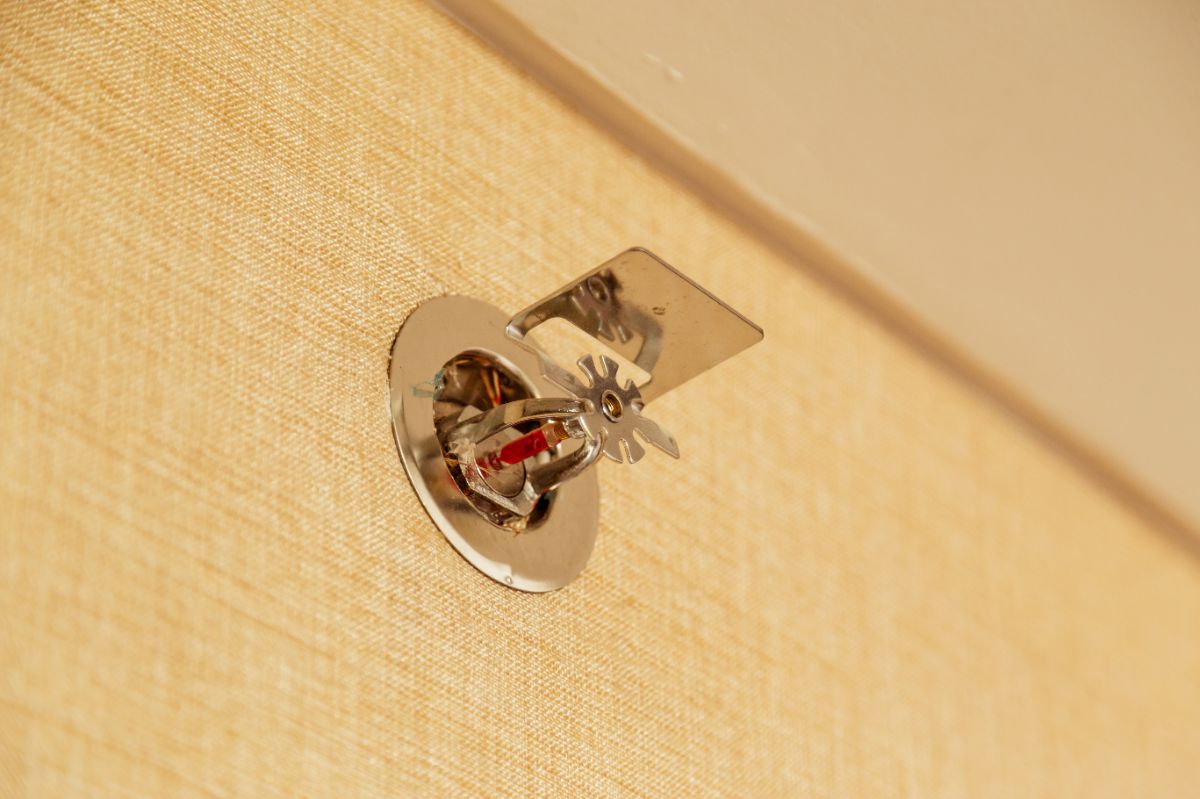
What is an automatic sprinkler system?
- It reacts to the heat of an unwanted fire.
- It varies with the kind of spray.
- This sprinkler can have either a dry pipe or a wet pipe.
- It operates independently or via a deluge system.
One of the most effective fire protection systems activates is automatic since it no longer relies on the presence and initiation of humans. Fires can happen quickly, anytime, and anywhere. Since humans are constantly on the go, no place can be perfectly guarded against fire one hundred percent of the time. That’s why this kind of sprinkler system was created. But what is an automatic sprinkler system and how do they work? Keep reading to find out.
It reacts to the heat of an unwanted fire
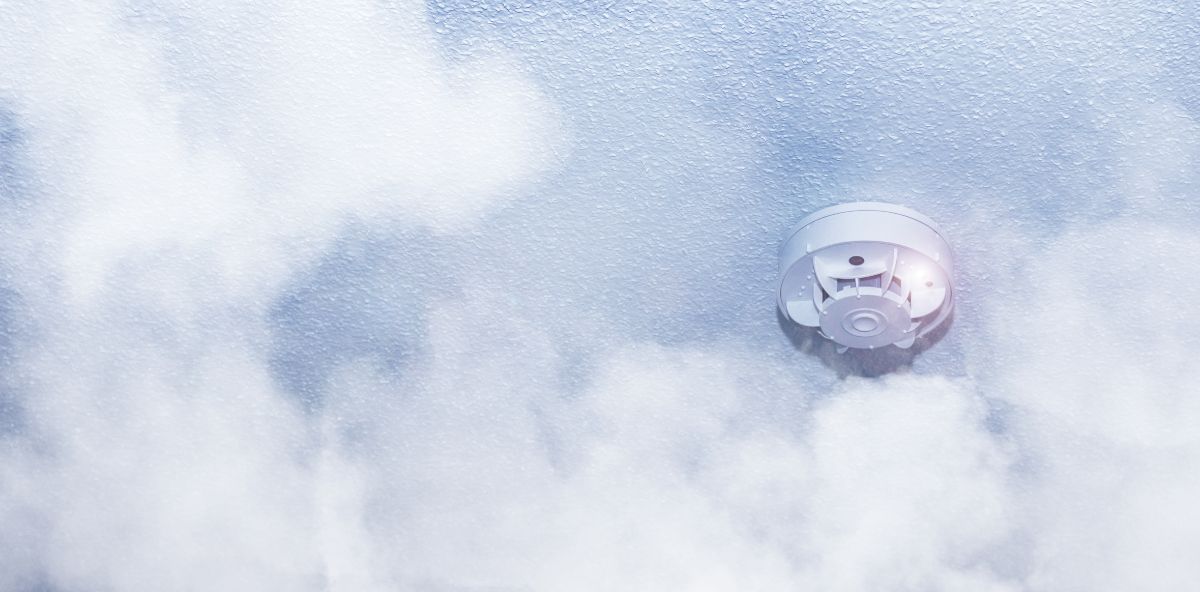
Automatic fire sprinkler systems are activated by a change in temperature caused by a fire. Most systems use sprinkler heads that release water when a temperature of 68° Celsius (155° Fahrenheit) is detected. The mechanism that triggers the release of water is analog and does not require power, it typically is a small glass bulb filled with a glycerin-based liquid that expands when temperature increases, it pops when the temperature is detected. Unwanted triggering is rare as the temperature is only reached in direct fire, making the system highly dependable.
It varies with the kind of spray
The type of fire-suppressing liquid used in automatic fire sprinkler systems can vary. While ordinary water spray is the most common method for extinguishing fires, other materials may be used in certain situations. For example, in industrial areas such as factories or warehouses that handle flammable liquids, a mixture of water and foam may be used to suppress fires. In areas where water damage is also a concern, a controlled water mist may be used instead, with the droplet size adjusted based on the size of the sprinkler head nozzle.
This sprinkler can have either a dry pipe or a wet pipe
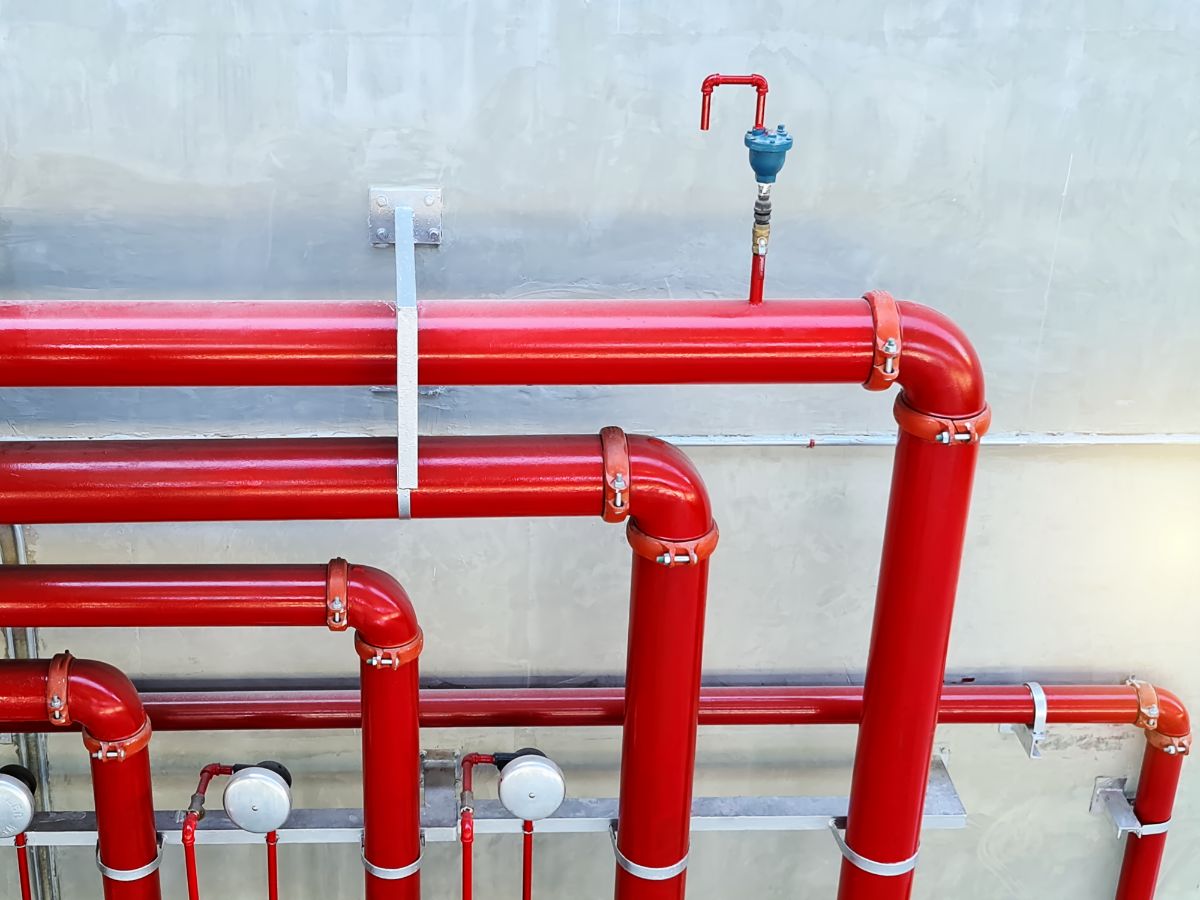
Principally, there are two kinds of pipe systems for fire sprinkler systems – wet pipe and dry pipe.
Starting with the most commonly used, wet pipe fire sprinkler systems are those where the pipes that consist of it are filled with water at all times. These need to maintain an adequate level of water pressure. This is the simplest automatic sprinkler system.
The other version is a dry pipe system which is prevalent in climates where freezing temperatures are common and regular. Frozen water in pipes especially in a fire sprinkler system will effectively disable the flow of water and therefore render the entire system inoperable. To work around this, additional components like an air compressor and a whole other set of valves work in tandem so that the sprinkler pipes are filled only with air until a sprinkler head triggers and bursts from heat. Once that happens, the valve replaces the air with water from an outside, flowing source.
It operates independently or via a deluge system
A common question asked when it comes to automatic fire sprinklers is what happens to the other sprinkler heads once fire triggers only one sprinkler head? Do they operate together?
Depending on the needs of the building the sprinkler heads operate either independently or all at once using a “deluge system.” Most systems have heads that are triggered and operate independently mainly depending on the source of heat nearby. However, deluge systems are installed mainly in buildings and areas where the danger of the fire spreading rapidly is a main concern. Here, all sprinklers operate at once to ensure total suppression of fire.
In some cases, automatic fire sprinkler systems can be designed to activate on a per-floor basis in a building to minimize water damage. Deluge systems, for example, have all sprinklers open and no water in the pipes. Instead, a separate mechanism, such as electronic smoke or heat detectors connected to a fire alarm system, senses the heat and opens the valves to start the water flow.
Key Takeaway
It takes quality components, planning, and engineering to install and operate a properly functioning automatic fire sprinkler system. You should never settle for the bare minimum when it comes to fire protection systems. It’s a matter of life or death, and either the preservation or destruction of your assets.
Here at Industrial PH, we provide clients with the best fire alarms in the Philippines. Aside from this, we also offer different forms of fire prevention and protection systems. From fire alarm bells to fire hoses to fire suppression systems, our team of certified engineers is prepared to help you. Contact us here today!