Comparing Cooling Solutions for Philippine Facilities: Which System Fits Your Needs?
 February 20, 2026
Overview
- This article compares diverse cooling technologies like split ACs, evaporative coolers, VRF systems, precision units for IT, and radiant panels, each suited to specific facility needs from small rooms to data centers.
- Key factors for Philippine facilities include managing high humidity, balancing budgets with energy costs, and matching systems to layouts.
- Industrial PH delivers tailored HVAC solutions with expert installation and maintenance for optimal performance.
Choosing a cooling system involves more than selecting the right equipment. It calls for reliable engineering, correct installation, and long-term support. Several facilities experience challenges when the equipment is treated as a standalone purchase rather than an integrated solution.
Therefore, assessing providers according to their ability to offer end-to-end chilling technologies helps businesses ensure lasting performance. Partnering with Industrial PH, you can get reliable air chillers in the Philippines and guarantee that your facility benefits from expert guidance, high-quality equipment, and comprehensive support from installation to maintenance, delivering optimal results from start to finish.
Explore comparing cooling solutions for the Philippine facilities.
Standard and Inverter Air Conditioners (Split/Window)
These are self-contained cooling configurations designed to regulate indoor temperature by removing heat from enclosed areas and releasing it outdoors. Standard units operate at a fixed capacity, cycling on and off to maintain the set temperature, while inverter models use variable-speed compressors that adjust cooling output based on real-time demand.
Pros
Available almost everywhere, easy to install, and relatively affordable. Inverter models, in particular, offer better energy efficiency and quieter operation by adjusting compressor speed based on cooling demand.
Cons
Not designed for cooling huge or open industrial areas, which can lead to uneven temperature control and higher energy consumption when used at scale.
Best for: Perfectly suited for small to medium-sized rooms such as offices, server rooms, control panels, and enclosed workspaces within larger facilities.
Evaporative Coolers (Air Coolers)
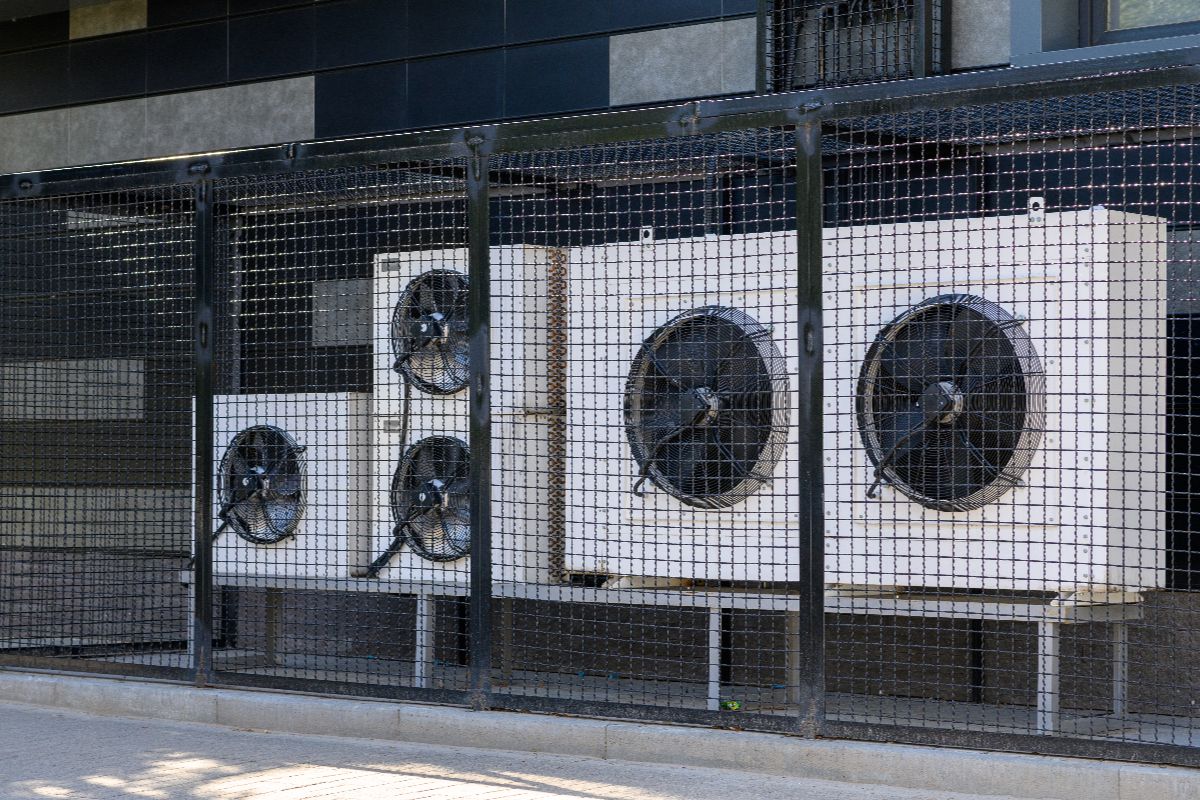
Evaporative coolers, also known as air coolers, use the natural process of water evaporation to lessen air temperature. They draw warm outdoor air through water-soaked pads, which causes it to cool before being circulated into the space. It makes them a simple and energy-efficient selection for locations that benefit from constant airflow and open or semi-open surroundings.
Pros
It only consumes significantly less electricity than traditional air-conditioning solutions because they depend on water evaporation rather than compressors or refrigerants. They also introduce fresh air, which enhances air circulation and reduces the buildup of stale indoor air.
Cons
Their effectiveness relies heavily on climate conditions and works best in hot, dry spaces rather than humid environments. Regular maintenance is required to handle water quality, prevent mineral buildup, and keep pads clean.
Best for: Warehouses, manufacturing floors, loading bays, and semi-open or well-ventilated facilities where constant airflow is needed, and humidity levels are manageable.
Variable Refrigerant Flow (VRF) Systems
VRF is an advanced air-conditioning technology that uses a single outdoor unit connected to numerous indoor units, allowing accurate control of cooling capacity in diverse zones. By regulating the amount of refrigerant provided to each indoor unit according to the need, VRF systems offer consistent temperature control, high energy efficiency, and flexible design for complex establishment designs.
Pros
They deliver enhanced flexibility in design, allowing a single outdoor unit to connect to multiple indoor units of different types (such as ceiling-mounted, wall-mounted, or ducted). They also allow simultaneous heating and cooling in different zones, making them adaptable for establishments with varying climate requirements.
Cons
Its intricacy can make retrofitting into existing buildings challenging, and installation calls for thoughtful planning of piping and refrigerant lines. Performance can be affected if the system is not appropriately balanced or if areas are oversized relative to their loads.
Best for: Mixed-use facilities, hospitals, universities, and corporate campuses where different indoor environments demand independent temperature control and flexible system configuration.
Precision Cooling (Data Centers/IT Rooms)
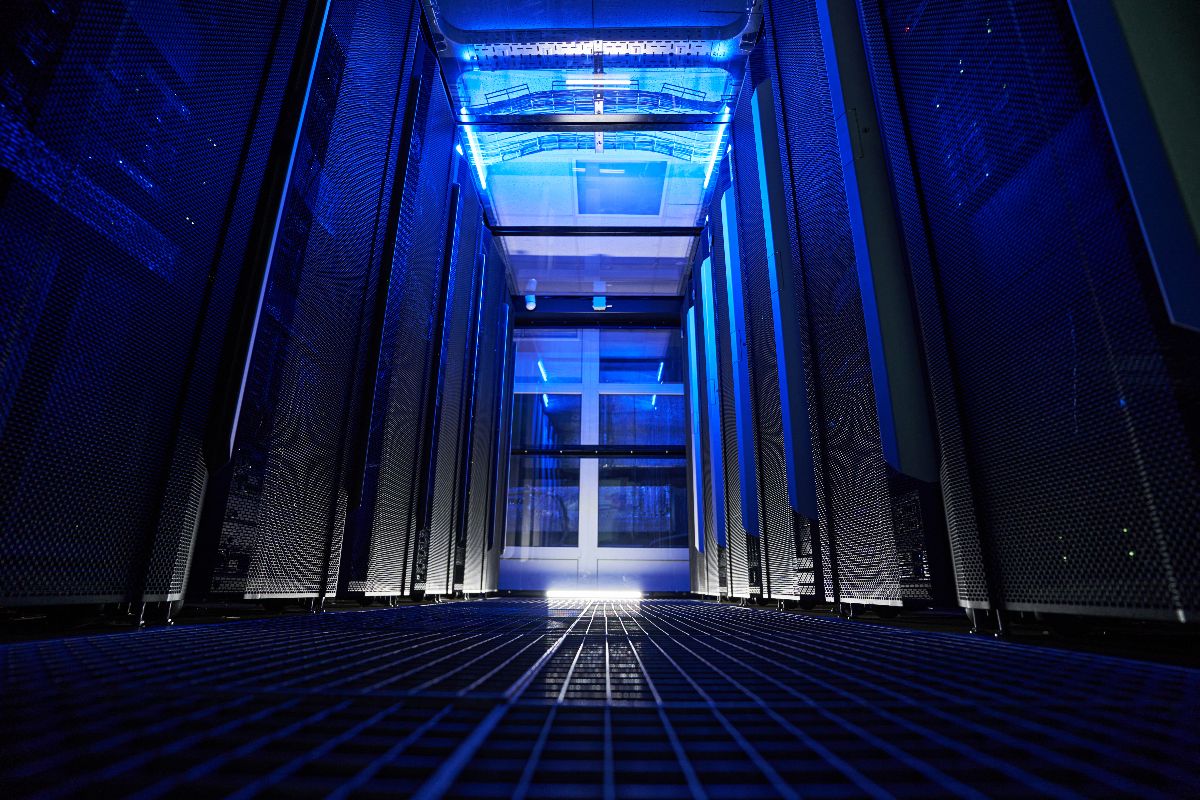
These are specialized Heating, Ventilation, and Air Conditioning(HVAC) technologies designed to maintain strict temperature and humidity levels in environments with sensitive electronic equipment. Unlike subpar air-conditioning, they deliver consistent, targeted airflow and modern tracking to prevent equipment overheating, reduce the risk of condensation, and support continuous, uninterrupted operations.
In-Row or In-Rack
These units are installed directly between server racks or within individual racks, providing cold air where it’s necessary. By targeting hotspots, they prevent uneven cooling and minimize the risk of server overheating.
Chilled Water or Computer Room Air Handler (CRAH)
CRAH uses a central chiller to distribute cold water to air handlers, which then cool the air circulating through the data center. These units supply this cooled air efficiently across the room, maintaining stable temperature and humidity levels for sensitive IT equipment.
Best for: Data centers, server rooms, and IT-intensive facilities where precise temperature and humidity control are critical to prevent downtime and ensure optimal performance of hardware.
Radiant or Panel Cooling (Ceiling, Floor, and Wall)
Radiant or panel cooling systems are designed to maintain cozy indoor temperatures by cooling surfaces rather than the air itself. Panels installed in ceilings, floors, or walls absorb and radiate heat, creating a more even and efficient temperature control while reducing drafts and noise.
Pros
Provides uniform cooling without drafts, reduces energy use by targeting surfaces instead of air volume, and operates quietly, which makes them perfect for noise-sensitive areas.
Cons
Initial installation can be more expensive, and performance may be impacted if the building envelope is poorly insulated or if humidity levels are high.
Best for: Offices, classrooms, hospitals, galleries, and commercial spaces where comfort, aesthetics, and quiet operation are priorities.
Key Considerations for the Philippines
Selecting the right cooling solution needs to factor in the unique climate, energy availability, and operational demands in the Philippines. Understanding these local conditions helps facility managers opt for systems that perform reliably, remain cost-effective, and adapt to long-term maintenance needs.
Humidity
Consider selecting one that can actively regulate indoor humidity to prevent mold, condensation, and equipment damage. Ensure the system allows for easy monitoring and adjustment of moisture levels to maintain optimal air quality.
Budget and Energy Costs
Assess the upfront investment and the long-term energy consumption of every technology. Opt for a system that balances efficiency with operational expenses to maximize savings over its lifecycle.
Facility Type
Look for a certain layout, size, and function of your facility when choosing a cooling system. Opt for a solution that aligns with your occupancy patterns, space, and operational requirements for best performance.
Supplier
When choosing a cooling solution, it’s important to consider the dependability and expertise of the supplier or contractor. They must provide not only high-quality equipment but also installation, upkeep, and ongoing support, ensuring your system operates efficiently over its lifespan.
Industrial PH, a leading HVAC contractor in the Philippines, offers a comprehensive range of cooling solutions tailored to different facility types. With our expert team, clients take advantage of professional installation, preventive upkeep programs, and reliable technical support. This makes us a go-to partner for long-term HVAC performance and energy efficiency.
Key Takeaway
Choosing the right system is crucial when comparing cooling solutions for Philippine facilities, as every choice delivers unique benefits according to space, climate, and operational demands.
For facilities seeking high-quality, dependable cooling systems, Industrial PH offers a variety of solutions aligning with the needs of offices, factories, warehouses, and specialized locations. Contact us today to learn how our expert team can help design, install, and maintain the perfect cooling system for your facility.