The Hidden Costs of Inefficient Cooling Systems in Large Facilities
 February 9, 2026
What are the hidden costs of inefficient cooling systems in large facilities?
- Soaring utility bills
- Water wastage and costs
- Premature hardware failure
- Operational downtime and production losses
- Environmental penalties and fines
- Negative Brand Reputation
Overview
- Inefficiencies in cooling systems in large facilities, especially in the Philippines, lead to hidden, escalating costs that quietly strain budgets and operational resources over time.
- The hidden costs include soaring utility bills due to higher electricity use, water wastage from cooling tower inefficiencies, premature hardware failure leading to increased maintenance and reduced equipment lifespan, and operational downtime causing production losses.
- Ignoring these inefficiencies exposes facilities to regulatory penalties and fines for non-compliance with energy standards, and damages brand reputation by signaling a lack of commitment to environmental sustainability.
Inefficiencies in cooling systems within large facilities often go unnoticed, especially in the hot and humid Philippine climate, where constant cooling operation is essential. While systems may appear to perform adequately, these shortcomings quietly inflate operational expenses and strain budgets over time.
Over months or years, these effects can accumulate, creating challenges that are easy to overlook in day-to-day management.
To help you navigate these risks, this article highlights the hidden cost of inefficient cooling systems in large facilities and why these unseen burdens matter—impacting both resources and long-term operational planning.
Escalating Operational and Energy Costs
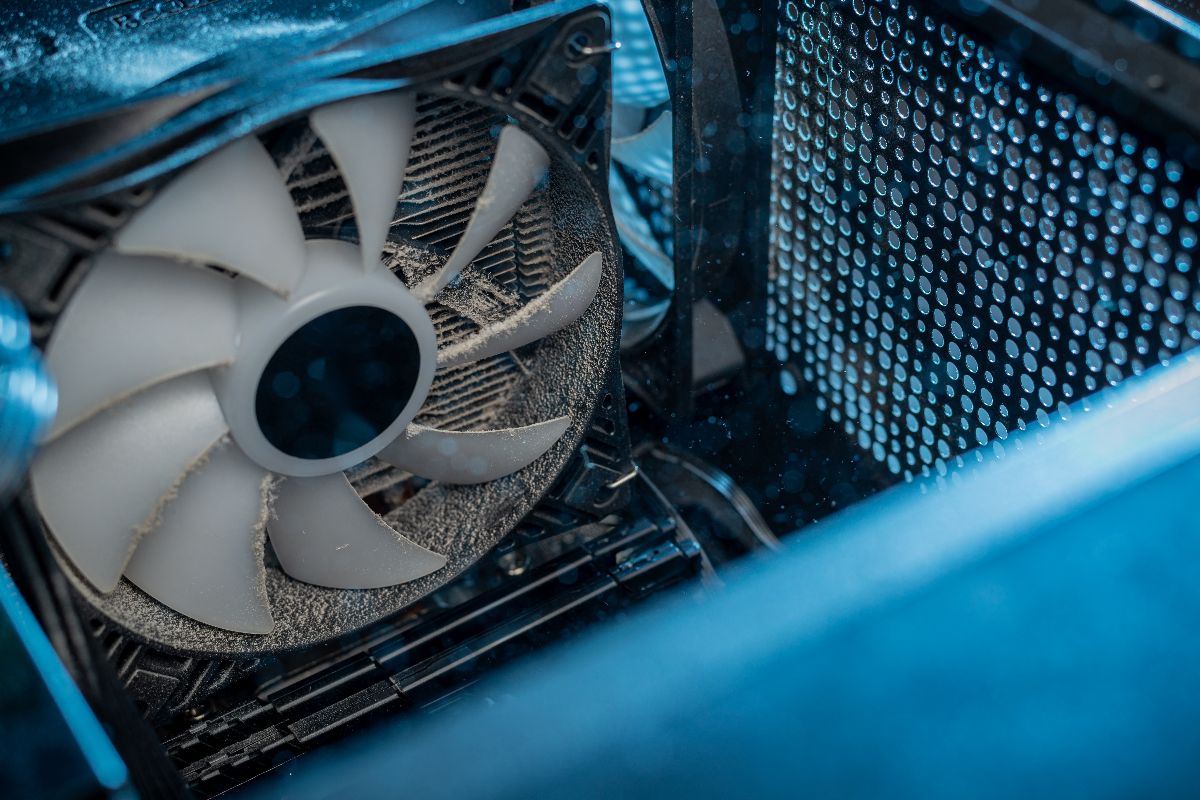
Cooling inefficiencies can gradually raise operational expenses and energy consumption, often without obvious warning signs. These inefficiencies tend to compound, affecting both routine costs and unpredictable resource use.
Soaring Utility Bills
Rising electricity use is often the first indication that a cooling system is underperforming, even when temperature levels appear stable. When chillers, HVAC units, or ventilation components operate below optimal efficiency, they draw more power, increasing monthly utility expenses and straining facility budgets.
In facilities with extended operating hours, such as manufacturing plants or warehouses, this additional energy consumption becomes more pronounced during warmer periods. Over time, these incremental increases make forecasting long-term energy costs more difficult and limit budget flexibility.
Water Wastage and Costs
Outdated or poorly monitored cooling towers can lead to gradual water loss, quietly increasing operational expenses. Water lost through evaporation, drift, or blowdown can accumulate over months, raising facility costs and complicating resource planning, particularly during dry seasons or high-demand periods.
In environments such as food processing plants or large office complexes, this ongoing water loss adds pressure to budgets and operational planning, compounding the financial strain from energy inefficiencies.
Reduced Equipment Lifespan and Increased Downtime
Beyond resource consumption, inefficient cooling systems can threaten production continuity and accelerate equipment wear. This section explores how prolonged inefficiency affects equipment performance, maintenance requirements, and workflow reliability.
Premature Hardware Failure
Critical components such as motors, compressors, and control boards experience faster degradation when cooling systems fail to maintain consistent temperatures.
For example, production lines relying on aging chillers may see repeated component failures despite appearing operational. These failures drive up maintenance costs, increase replacement frequency, and force teams into reactive rather than preventive maintenance schedules.
Operational Downtime and Production Losses
Cooling system failures can interrupt production schedules, causing operational strain and delayed output. Even brief stoppages in manufacturing or processing facilities can affect delivery timelines and client commitments.
Over time, repeated downtime events accumulate, compounding operational losses and making long-term production planning more challenging.
Regulatory and Reputational Consequences
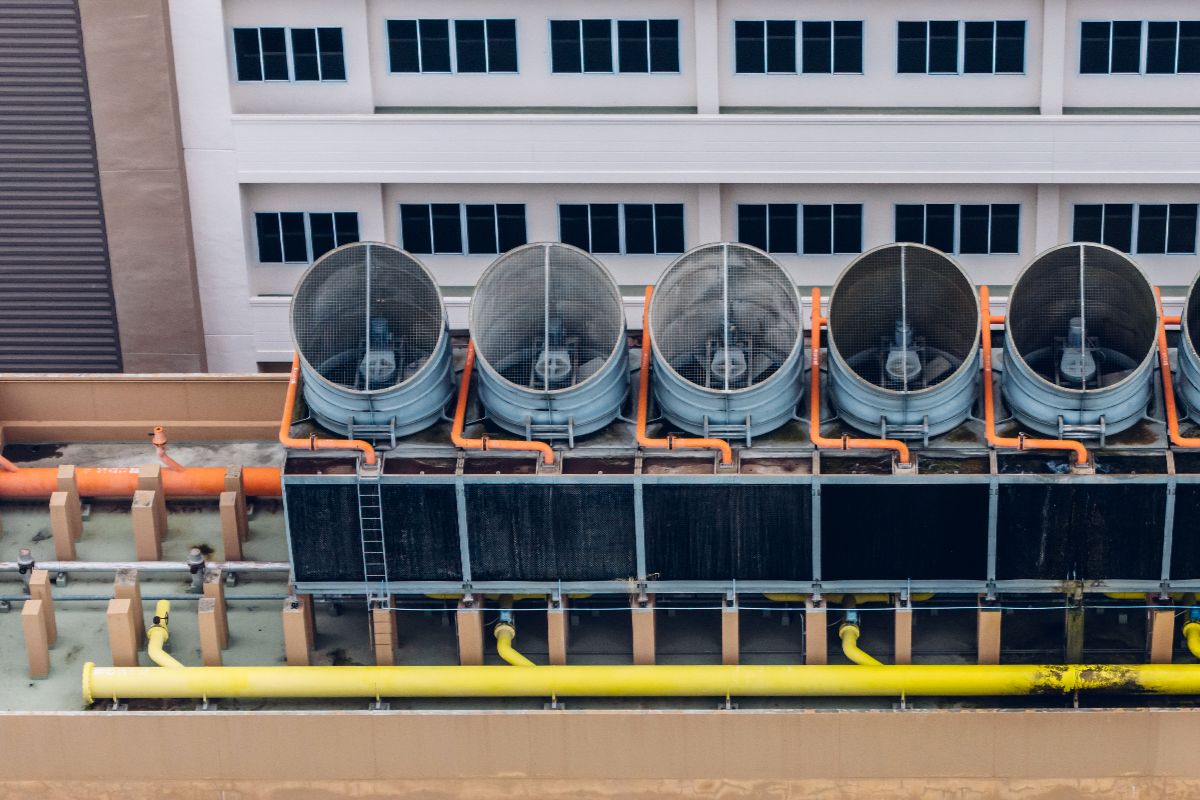
Inefficient cooling systems can expose facilities to regulatory penalties and affect stakeholder perception, creating additional operational and financial pressures. This section examines how non-compliance and public scrutiny can influence budgets, trust, and long-term sustainability.
Environmental Penalties and Fines
Facilities that fail to meet energy efficiency or environmental standards may face fines and regulatory sanctions. Non-compliance can directly impact budgets, especially if issues persist over multiple reporting cycles.
Beyond financial penalties, inefficient cooling systems increase a facility’s carbon footprint. This environmental effect can attract audits, mandatory corrective actions, or increased oversight from regulators and the public.
Negative Brand Reputation
A facility’s operational practices can shape how stakeholders perceive its commitment to sustainability. Neglecting cooling system efficiency may signal a lack of environmental responsibility, affecting trust with clients, partners, and the broader market.
Over time, these perceptions can influence customer loyalty, employee engagement, and overall competitiveness. In industries where sustainability is increasingly valued, reputational effects can have tangible business consequences alongside operational costs.
Explore Cooling Solutions for Your Facility at Industrial PH
At Industrial PH, we help facilities maintain stable, reliable cooling systems that keep operations running smoothly. Our solutions include both air and water chillers, designed to manage machinery temperatures effectively in Philippine conditions.
As experienced HVAC contractors, we understand that every facility has unique needs, so we tailor our cooling solutions for manufacturing plants, pharmaceutical operations, food processing centers, and automotive facilities. By keeping temperatures stable, we help reduce strain on equipment, support smooth production, and give teams confidence that their systems are running efficiently.
Through our partnership with TopChiller, we provide not just reliable chillers but also guidance and support, including training and after-sales assistance. At Industrial PH, we focus on helping facility teams recognize and manage cooling efficiency, giving them insights and tools for long-term operational planning without pushing for a purchase.
Key Takeaway
By understanding the hidden cost of inefficient cooling systems in large facilities, you can now make confident, proactive decisions that protect operational efficiency, control expenses, and safeguard long-term facility performance.
Protect your facility’s efficiency with Industrial PH’s cooling solutions. Our systems help reduce hidden costs, improve energy use, and maintain consistent performance across large operations. Contact us today to learn how our expertise can optimize your facility’s cooling.