Common Packaging Defects in Food and Beverage Industries You Shouldn’t Leave Unaddressed
 November 28, 2025

What are the common packaging defects in the food and beverage industries?
- Physical and structural defects
- Contamination and chemical migration
- Labeling and printing errors
- Material and coating issues
Overview
- Packaging defects in the food and beverage industries—ranging from physical damage and labeling errors to contamination and material failures—can compromise safety, quality, and operational efficiency.
- Prompt detection, proper process controls, and advanced inspection systems help prevent these issues, ensuring products remain protected and compliant.
- Industrial PH, in partnership with HEUFT, offers state-of-the-art packaging inspection solutions in the Philippines, supporting reliable monitoring, minimized risk, and consistent product quality.
Packaging is a critical element in the food and beverage industries, ensuring products remain protected, safe, and of consistent quality. Even minor defects can compromise these outcomes, leading to recalls, contamination risks, and potential damage to a brand’s reputation.
Small inconsistencies or flaws during production may appear insignificant at first, but they can have widespread operational and quality implications if left unchecked. Understanding how these defects occur provides insight into potential risks across manufacturing processes.
To make this process easier, here are common packaging defects in the food and beverage industries, as well as possible solutions for each issue.
Physical and Structural Defects
Physical and structural defects refer to visible damage such as tears, dents, punctures, or improperly sealed packages that directly weaken a product’s protective barrier. These faults often begin as small mechanical issues but can let moisture, dirt, or pests compromise the contents.
Cause:
These defects commonly originate from several linked sources: inadequate material selection, incorrect machine settings or worn tooling, inconsistent sealing, and rough handling during transport. Each stage—storage, setup, run conditions, and logistics—can introduce stress that results in physical damage if controls are lax or maintenance is deferred.
Effect:
Physically compromised packaging shortens shelf life and increases spoilage and contamination risks. Operational consequences include higher scrap rates, slowed lines, and recalls that erode trust and raise rework costs.
Contamination and Chemical Migration
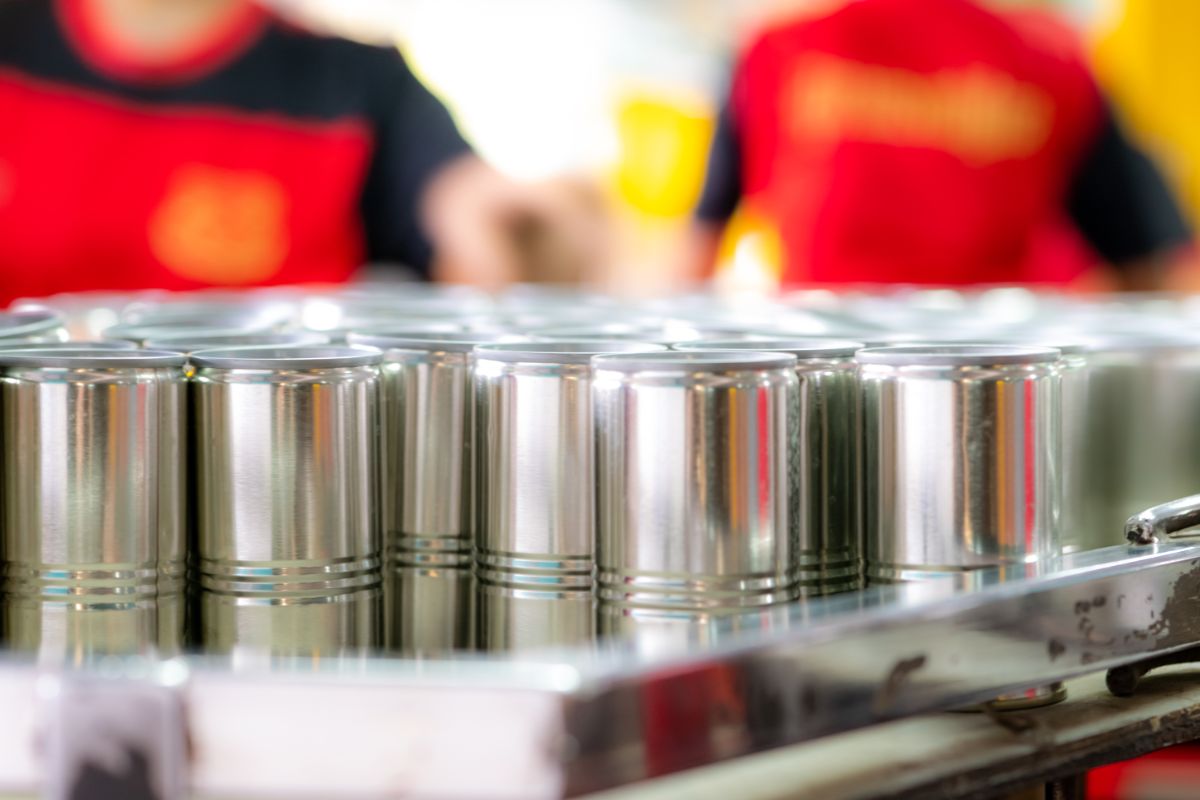
Contamination and chemical migration describe risks where packaging fails to remain chemically and microbiologically inert: microorganisms or foreign particles enter the product, or packaging components leach substances into the food or beverage. These problems are often invisible until they cause off-flavor, spoilage, or lab-detected hazards, making them insidious for QA.
Cause:
Microbial contamination typically traces back to inadequate sanitation, compromised environment controls, or degraded packaging. Chemical migration stems from improper material formulations, unsuitable inks or adhesives, or storage and processing conditions that accelerate leaching.
Effect:
These pose a direct threat to consumer health and regulatory compliance, potentially leading to enforcement actions and costly recalls. Beyond compliance, such events damage brand credibility and often require forensic testing to isolate the source.
Labeling and Printing Errors
Labeling and printing errors include misprints, smudges, incorrect information, faded ink, or misaligned/missing labels that prevent accurate communication of product details. These defects interrupt traceability and consumer information flow, turning your package into a potential liability when it fails to convey allergens, ingredients, lot codes, or expiry dates clearly.
Cause:
Errors typically come from equipment faults, inconsistent label stock, manual mistakes during application, and insufficient process controls. Environmental factors, such as ink drying issues in humid climates, for example, also contribute when materials and settings are not matched to local conditions.
Effect:
Incorrect or unreadable labels create compliance gaps, mislead consumers, and can cause safety incidents. Operationally, they cause recalls, slow distribution, and rework costs, while repeated issues erode customer confidence.
Material and Coating Issues
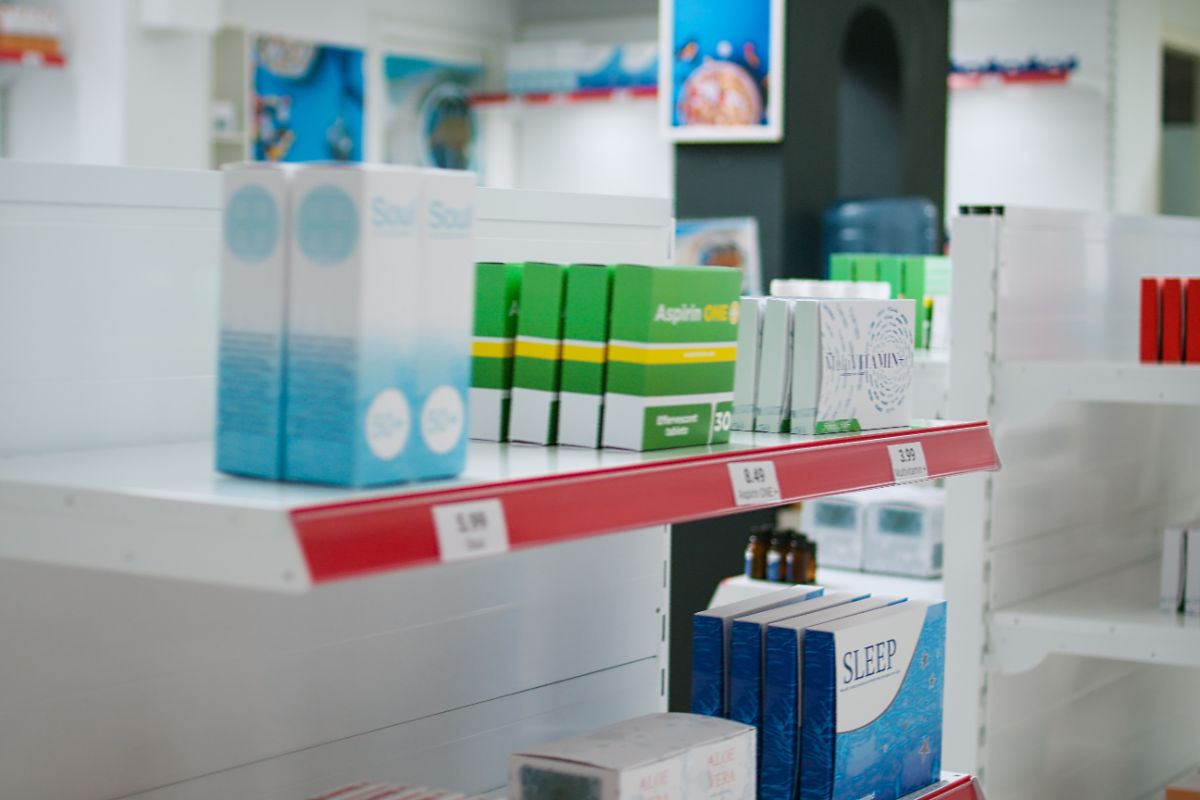
Material and coating issues include brittleness, cracking, loss of barrier properties, delamination, and other integrity failures that reduce a package’s ability to protect its contents. These defects—pinholes, microcracks, or weak laminates—often appear subtle at first but later cause spoilage or visible degradation during transport.
Cause:
These problems usually arise from inappropriate or low-quality materials, improper storage, incorrect substrate preparation, or faulty coating application. Supplier variability and inadequate material inspection also increase failure risk.
Effect:
When materials or coatings fail, barrier protection declines, leading to spoilage, loss of sensory and nutritional quality, and shorter shelf life. For operations, the fallout includes more QC testing, frequent line interruptions, and financial losses from product downgrades or withdrawals.
How Packaging Defects Affect Food Safety and Quality
Packaging defects jeopardize product safety by creating pathways for microbial contamination, physical damage, or chemical hazards. Even minor tears or misaligned seals can let bacteria, dust, or foreign substances reach the product, posing health risks.
These defects also compromise product quality. Spoilage, off-flavors, and reduced shelf life are common when packaging fails to maintain proper protection. Substandard products erode trust and can trigger costly returns or recalls.
Packaging defects also affect operational efficiency and profitability. Damaged goods may require reprocessing, disposal, or additional inspections, increasing production costs. Consistently addressing these risks ensures products maintain their intended quality while protecting both the brand and the bottom line.
Solutions to Address These Packaging Defects
Prompt detection and corrective measures are key to reducing packaging defects. Establishing clear standard operating procedures and monitoring critical control points helps catch issues early, preventing them from escalating and compromising products.
Regular audits and process checks maintain consistent production quality. Verifying machinery settings, material handling, and seal integrity on a routine basis prevents small errors from turning into larger defects, protecting both product safety and operational efficiency.
Investing in advanced inspection technologies, from automated packaging systems to quality control equipment, further safeguards operations. These systems monitor critical factors in real time, including seal integrity, label accuracy, and material consistency. By adopting these measures, you can effectively reduce common packaging defects in the food and beverage industries while preserving product quality, safety, and consumer trust.
Ensure Quality With Industrial PH’s Packaging Inspection Systems
Industrial PH, in partnership with HEUFT, provides advanced packaging inspection systems in the Philippines for the food, beverage, and pharmaceutical industries.
Our solutions include:
- HEUFT SPECTRUM II SX – Inspects bottle shape, seals, and contamination at up to 72,000 bottles per hour.
- HEUFT InLine II IX – Uses high-performance optics and X-rays for surface and foreign object detection.
- HEUFT eXaminer II XB & XT – Designed for larger packaging and bulk goods with precise fault detection.
- HEUFT Syringer – Specialized for syringe and cannula inspection in pharmaceuticals.
We complement our advanced equipment with tailored consultations, installation, and maintenance services. Our team ensures seamless integration, providing reliable monitoring, minimized risk, and confidence that every product meets the highest quality and safety standards.
Key Takeaway
With a better understanding of these common packaging defects, you can maintain consistent product quality and protect your brand reputation.
Ensure consistent quality with Industrial PH’s reliable packaging inspection systems for the food and beverage industry. We provide solutions designed to detect defects and protect your brand’s reputation. Contact us today to explore our systems and secure your production line’s performance.