Guide to Commercial HVAC Solutions for New Buildings
 October 17, 2024

Overview
- This article explores the essentials of commercial HVAC systems for new buildings, highlighting key types such as packaged, split, VRF, and chilled beam systems.
- It also discusses critical factors like building size, climate, energy efficiency, and future expansion, all crucial in optimizing comfort and performance.
- Advanced technology and smart controls enhance sustainability and operational cost efficiency.
Commercial HVAC system regulates and maintains indoor settings, such as offices, retail spaces, schools, and hospitals. They control temperature, humidity, and air quality, ensuring a comfortable and healthy atmosphere for occupants.
Effective commercial HVAC solutions for new buildings are pivotal, as they lay the foundation for energy efficiency and sustainability from the outset. By integrating advanced technologies and smart controls, they enhance comfort and reduce operational costs and environmental impact. Read on to learn more.
Types of Commercial HVAC Systems

Commercial buildings demand HVAC systems to manage expansive spaces and fluctuating needs. Familiarizing yourself with the various options available helps make informed decisions that align with your goals for energy efficiency and long-term performance.
Packaged Systems
A popular choice for many commercial applications, especially in smaller buildings, the packaged system provides a self-contained solution that consolidates all essential components into one compact unit. Its design incorporates crucial elements, such as the compressor, condenser, evaporator, air handler, and thermostat, simplifying installation and maintenance.
The all-in-one configuration minimizes maintenance requirements, as technicians can easily access all components from a single location, leading to reduced service times and costs.
They are versatile, making them suitable for retail stores, small offices, restaurants, and warehouses. They deliver reliable climate control tailored to diverse operational needs, ensuring a comfortable environment for employees and customers.
Split Systems
Split systems consist of two main components: an indoor unit that includes the evaporator coil, air handler, and blower fan, and an outdoor unit that houses the compressor and condenser coil. Their design allows for efficient temperature control and offers versatile installation options.
The outdoor unit can be placed on rooftops, balconies, or at ground level, making it adaptable to various site conditions. Additionally, many split systems incorporate inverter technology, which adjusts the compressor speed according to current heating or cooling demands, resulting in improved energy efficiency and high Seasonal Energy Efficiency Ratio (SEER) ratings.
This makes them suitable for office buildings, retail spaces, restaurants, and educational facilities where comfort and visual appeal are essential.
Variant Refrigerant Flow Systems
Variant refrigerant flow systems consist of an outdoor unit connected to multiple indoor units via refrigerant piping, enabling efficient temperature control tailored to specific zones within a commercial building. This allows for precise temperature management, making them ideal for spaces with diverse thermal requirements, such as offices, hotels, retail environments, and educational institutions.
Equipped with variable-speed compressors, VRF systems adjust refrigerant flow based on real-time demands, resulting in significant energy savings compared to conventional HVAC systems. Their reduced ductwork and capability to recover excess heat enhance their efficiency.
Chilled Beam Systems
Chilled beam systems utilize a unique approach to cooling by circulating chilled water through beams installed in the ceiling. This cools the surrounding air, causing it to descend while warmer air rises, creating a natural airflow without mechanical fans.
There are two types of chilled beams: passive chilled beams, which rely solely on natural convection, and active chilled beams, which enhance cooling efficiency by using ducted primary air.
They are celebrated for their energy efficiency, operating at higher chilled water temperatures and consuming significantly less energy than traditional HVAC systems.
By minimizing the need for ductwork, chilled beams save space, allowing for higher ceilings and improved indoor air quality through precise ventilation control.
Rooftop Units
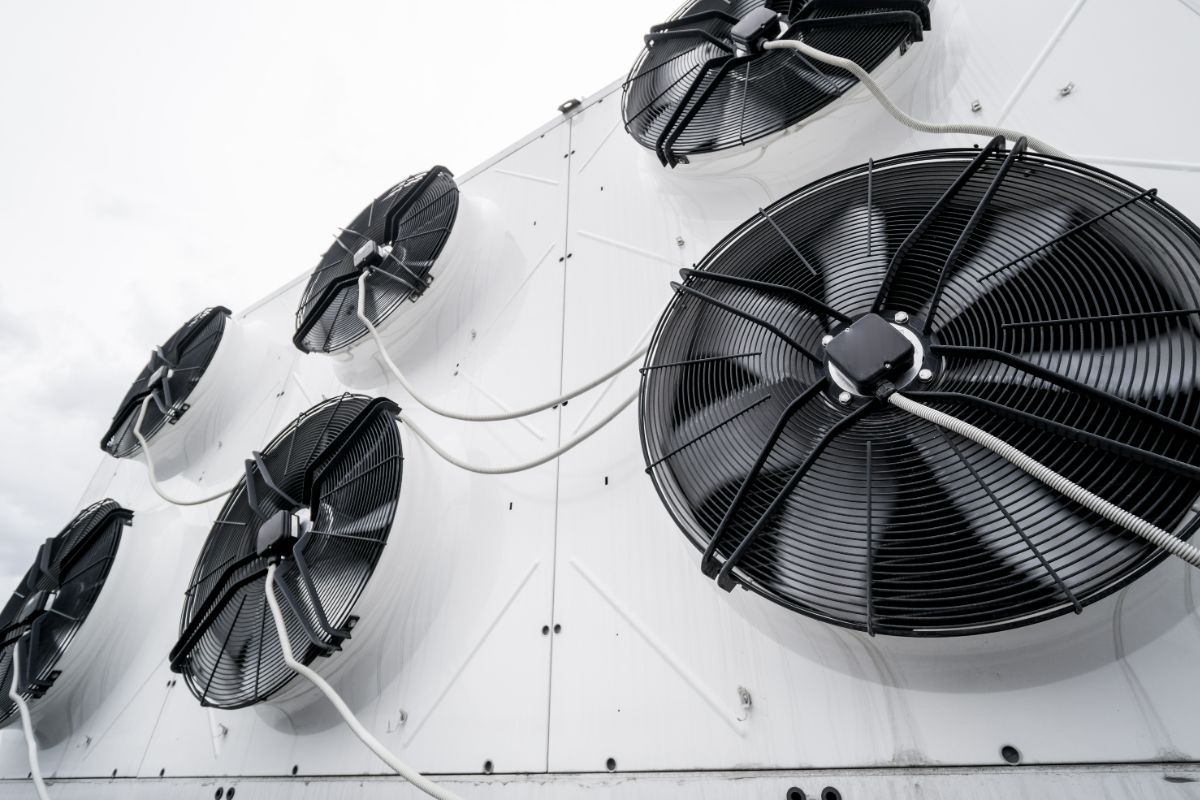
Rooftop units seamlessly integrate various HVAC components—including evaporator and condenser coils, compressors, and blower motors—into a single, streamlined package. These units function by drawing in outside air through an intake vent, where the air is either cooled or heated before being circulated throughout the building via ductwork.
One of their main advantages is their space efficiency. By being installed on the rooftop, they free up valuable interior space for other uses. Additionally, their centralized placement simplifies maintenance, as all components are easily accessible in one location, enhancing overall operational efficiency.
Factors to Consider When Selecting a System
Each facility has unique requirements and constraints that significantly influence the selection of an HVAC system. Taking the time to evaluate these factors lays the groundwork for a successful installation that meets both current and future demands.
Building Size and Layout
Different areas of a facility may have varying heating and cooling needs. A well-planned system design ensures optimal comfort distribution throughout the space while minimizing energy waste.
Climate
The local climate determines the amount of heating or cooling required throughout the year. Conducting a thorough assessment of local weather patterns helps the system maintain a comfortable indoor environment year-round.
Energy Efficiency
Choosing an energy-efficient HVAC system impacts the environment and operational costs over time. Systems with high Seasonal Energy Efficiency Ratio (SEER) ratings or those equipped with inverter technology can significantly reduce energy consumption.
Future Expansion
Anticipating future expansion needs is vital when selecting a commercial HVAC system. Ensuring it can adapt to evolving demands without requiring a complete overhaul can save time and resources. Investing in upgrade options allows for streamlined modifications and enhances overall functionality.
Key Takeaway
Selecting the right commercial HVAC solutions for new buildings can help you achieve optimal comfort and efficiency. As a trusted HVAC contractor, Industrial PH is ready to assist you in navigating this important decision. Let us help you implement an HVAC system that meets all the specific requirements for your commercial space. Contact our team today.