5 Factors to Consider in Choosing a Water-cooled Chiller
 September 6, 2024
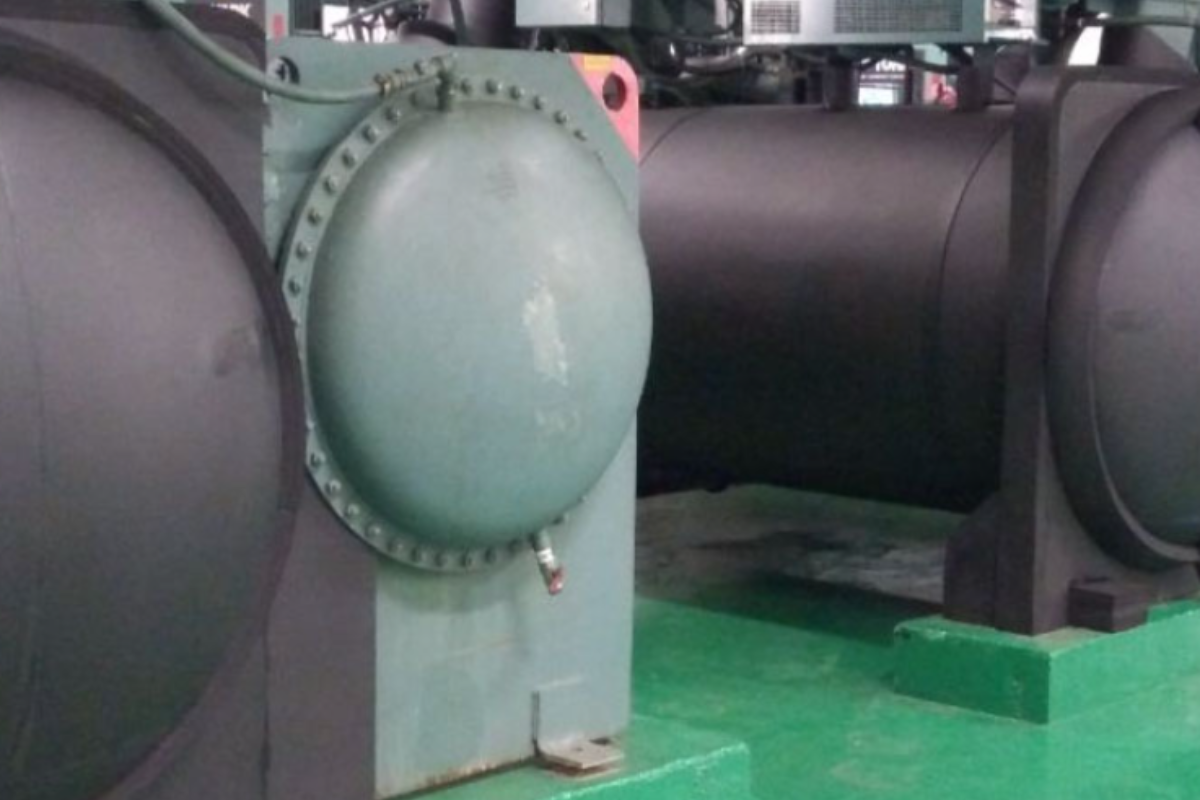
What are the factors to consider when choosing a water-cooled chiller?
- Cooling load
- Size
- Capacity
- Operating environment
- Manufacturer reputation
Overview
- Water-cooled chillers are ideal for hot, humid climates, offering efficient cooling, quiet operation, and durability. Investing in these chillers can boost operational efficiency, maintain a comfortable work environment, and extend equipment life.
- When choosing a water-cooled chiller, some essential factors are its cooling load, size, capacity, operating environment, and manufacturer reputation.
- Consider these factors to choose a water-cooled chiller that meets your operational needs, ensures reliable performance, and provides long-term value.
Due to its versatility, the water-cooled chiller is favored across various industries and commercial settings. It performs efficiently in areas with high ambient temperatures or humidity, offering reliable cooling, quiet operation, and a long lifespan. Investing in this chiller can enhance your operation’s efficiency and productivity. This unit ensures optimal working conditions by maintaining consistent cooling and keeping employees comfortable and focused.
Furthermore, a water-cooled chiller contributes to the longevity of your equipment by reducing downtime and maintenance costs. It is also energy-efficient, helping to lower utility bills and minimizing environmental impact. Read on to learn more.
Cooling Load
Water chillers utilize water-cooled condensers that circulate water through a cooling tower. While this design offers high efficiency, keep in mind it comes with increased installation and maintenance costs, including water treatment and cooling tower upkeep.
Accurately assessing your chiller’s cooling load is crucial when selecting the right unit for your operations. The cooling load dictates the necessary capacity to maintain the desired temperature, which directly impacts the chiller’s efficiency, reliability, and overall performance.
Many industrial processes and pieces of equipment depend on precise temperature control for optimal operation. By thoroughly evaluating your cooling load, you can ensure that you select a water-cooled chiller capable of meeting your operational needs, thereby optimizing performance and minimizing costs.
Size
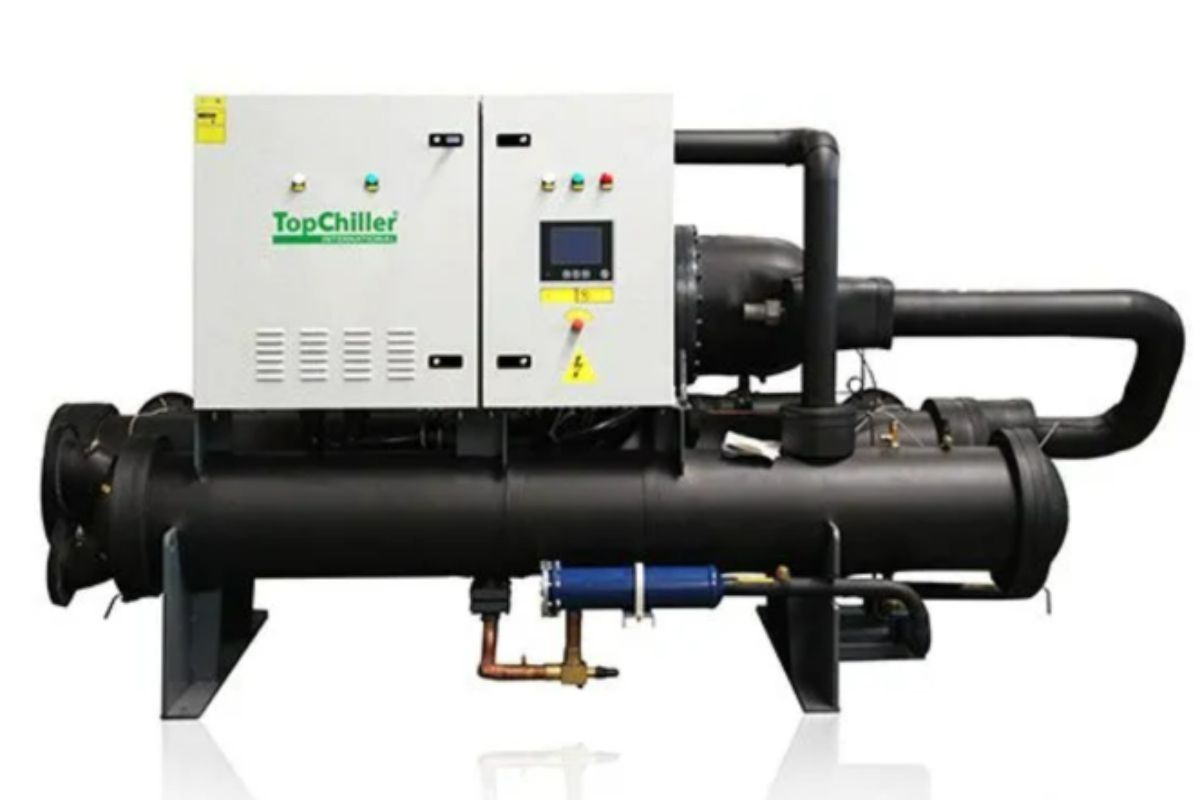
When selecting a water-cooled chiller system, size is a crucial factor. Proper sizing ensures the chiller can effectively meet your cooling requirements without being overburdened or underutilized.
A well-sized chiller should fit comfortably within the designated space, allowing for adequate clearance around essential infrastructure, such as cooling towers, water pumps, and piping systems. Additionally, sufficient space must be provided for easy maintenance and repairs.
Choosing a chiller that is too small can strain the equipment, reduce efficiency, and lead to potential breakdowns. Conversely, an oversized chiller may consume excessive energy, raising operating costs and impacting the environment.
Capacity
A water-cooled chiller with sufficient capacity ensures reliable and efficient cooling, prevents equipment strain, and supports optimal performance. This not only enhances energy efficiency but also protects your bottom line.
When choosing a water-cooled chiller, select a unit capable of handling peak loads effectively. The chiller should provide the required cooling capacity even during periods of high demand or under extreme conditions.
Investing in a properly sized chiller helps avoid equipment failures, reduces downtime, and maintains a consistent, productive operating environment in your workplace.
Operating Environment
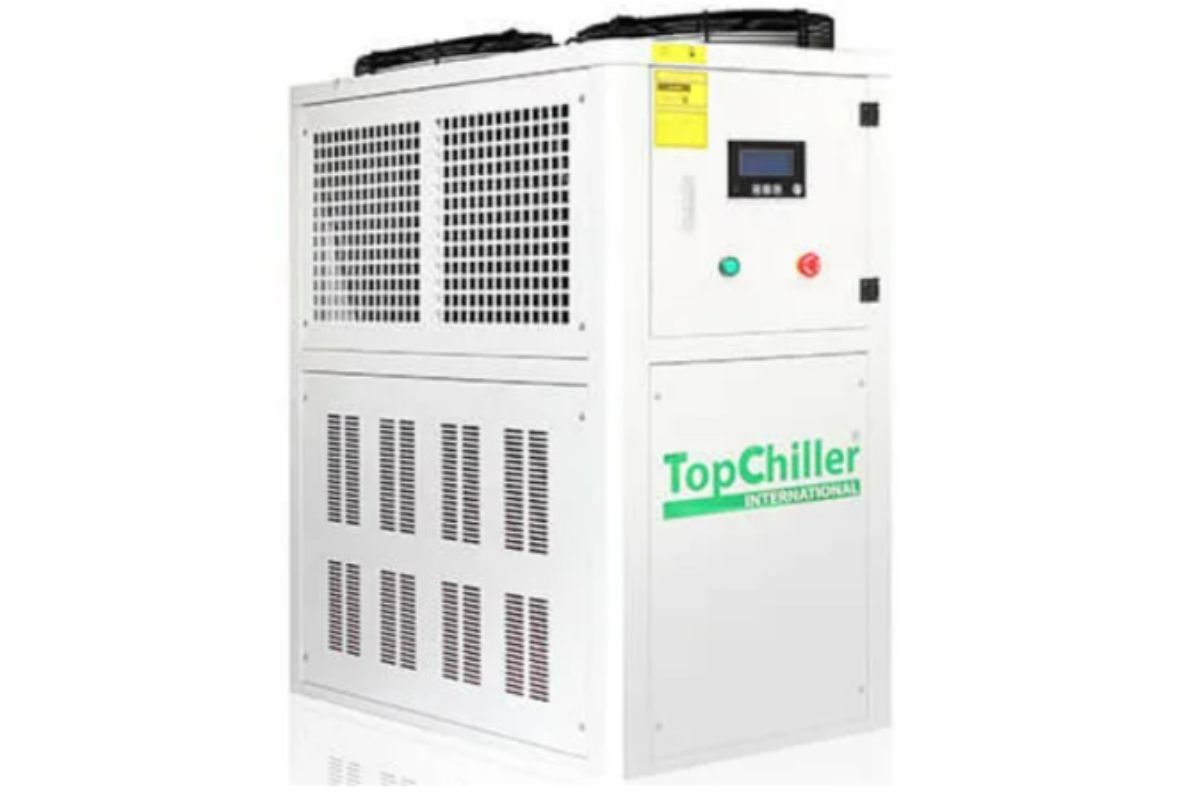
Assessing local water availability and quality is crucial for ensuring the optimal performance and longevity of a water-cooled chiller, especially in areas with water scarcity or potential water quality issues. This chiller is particularly effective in high-temperature environments due to water’s superior heat absorption compared to air.
While high humidity can impact cooling efficiency, proper water treatment can prevent scaling and corrosion, addressing this concern. Unlike air-cooled chillers, water-cooled units are installed indoors, protecting them from weather-related damage and extending their lifespan.
However, indoor installation requires a consistent supply of cool water, which can be challenging in regions with limited water resources. Additionally, the quality of the water is crucial; poor-quality water can lead to buildup and rust, increasing maintenance efforts and costs.
Manufacturer Reputation
When selecting a chiller, choose a reputable manufacturer known for exceptional customer support and comprehensive warranty coverage. Reliable service can greatly minimize downtime and ensure prompt resolution of any issues that arise.
A well-established manufacturer usually has a proven track record of producing high-quality products. Their reputation often reflects extensive experience, research, and development, resulting in efficient and dependable chillers that enhance operational performance.
Furthermore, they adhere to stringent testing and quality control procedures, increasing the likelihood that their chillers will perform reliably under diverse operating conditions.
Key Takeaway
By carefully considering these key factors, you can make an informed decision about which chiller system best suits your operational needs. This will ensure that the chiller you choose aligns with your specific requirements, delivers reliable performance, and provides a cost-effective solution over the long term.
As a leading provider of industrial cooling solutions, Industrial PH offers innovative, tailored solutions to meet your specific needs. Our expert team ensures reliable performance and exceptional customer service. Contact us today to learn more.