Common Chillers Issues and Solutions in the Philippines
 July 5, 2024

What are the common issues and solutions involving chillers?
- Chiller won’t start
- Insufficient cooling
- High-temperature trips
- Low-temperature trips
- Water flow problems
- Compressor issues
Overview
- This article explores common chiller problems, their causes, and solutions to keep your system running smoothly.
- Typical chiller issues include startup failures, inadequate cooling, temperature trips, water flow issues, and compressor problems.
Addressing these promptly and consulting experts like Industrial PH can ensure your chiller operates efficiently for years to come.
Chillers play a vital role in numerous settings in the Philippines by providing essential cooling for processes, equipment, and facilities. However, like any industrial machinery, they may encounter occasional hiccups that affect their performance. Understanding common chillers’ issues and their solutions is crucial for maintaining optimal cooling capacity and minimizing operational disruptions.
This article explains each issue in detail, offering clear ways to fix them. Addressing these problems early helps chiller operators and technicians maintain peak performance, extend equipment lifespan, and preserve the efficiency of cooling processes.
Chiller Won’t Start
When an industrial chiller fails to start, it can stem from various causes such as electrical faults, malfunctioning controls, or issues with the power supply. Electrical problems like blown fuses, tripped breakers, or loose wiring connections are common culprits.
Additionally, control system failures including faulty sensors or malfunctioning relays, can also prevent the chiller from starting properly.
Solution
- Check the power supply and ensure all connections are secure.
- Inspect and replace any blown fuses, or reset tripped breakers.
- Verify the control system settings and calibrate sensors to ensure accurate readings.
- For more complex electrical issues, consult with a qualified technician or contact the chiller manufacturer’s support team.
Insufficient Cooling
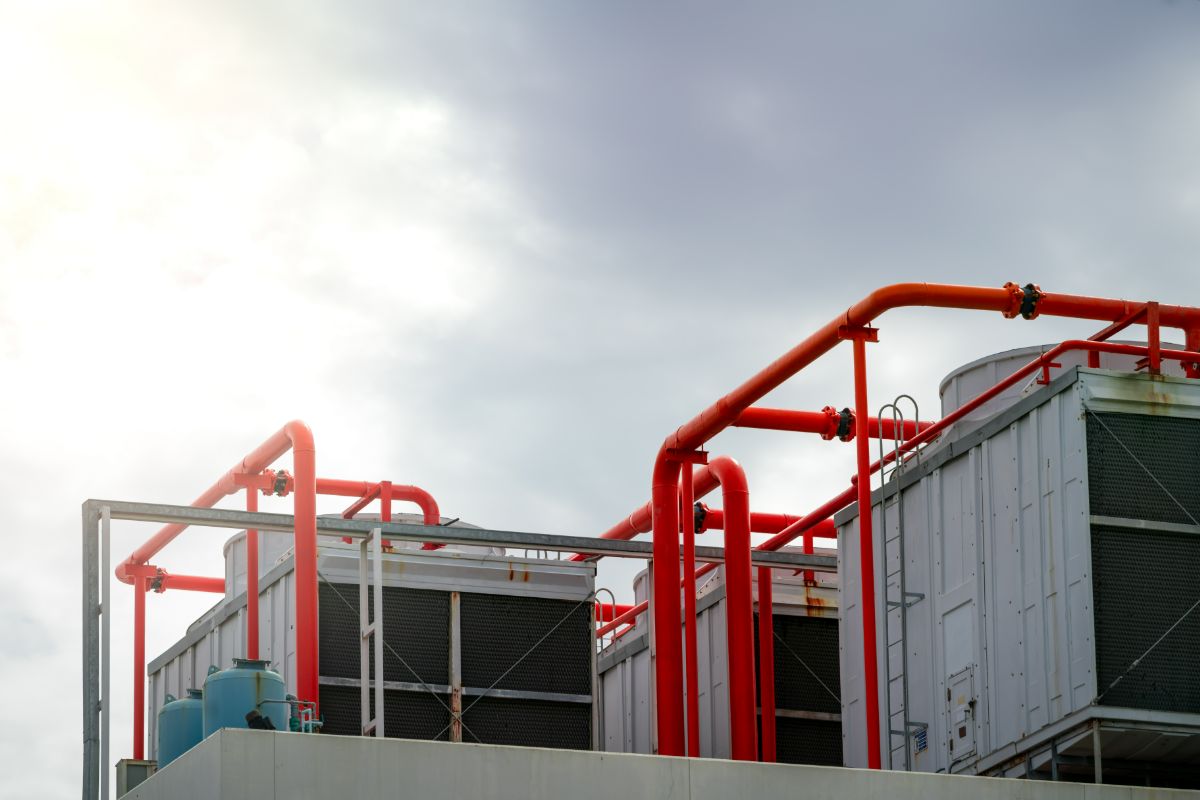
Several potential causes make temperatures deviate from the norm. Low refrigerant levels, often due to leaks or improper charging, hinder heat absorption. A faulty compressor can also impair circulation. Furthermore, dirty condenser coils or clogged air filters restrict heat dissipation, and incorrect thermostat settings or blocked airflow further exacerbate cooling issues.
Solution
- Check the refrigerant levels and replenish them if necessary.
- Ensure the compressor is functioning properly and replace it if faulty.
- Clean the condenser coils to remove any dirt or buildup.
- Adjust the thermostat settings to the appropriate temperature, and inspect the air filters and ductwork for any obstructions.
High-temperature Trips
These occur when the chiller’s refrigeration system detects temperatures above safe operating limits. This may be due to blocked condenser coils, excessive refrigerant charge, or insufficient water flow. Blocked condenser coils restrict heat dissipation, while excessive refrigerant charge can lead to high pressures and temperatures. Insufficient water flow reduces the chiller’s ability to transfer heat efficiently.
Solution
- Start by cleaning and clearing any obstructions from the condenser coils.
- Adjust the refrigerant charge to the manufacturer’s recommended levels to prevent high pressures.
- Ensure proper water flow by inspecting and maintaining water pumps, filters, and cooling towers.
- Monitor system temperatures closely during operation and implement a preventive maintenance schedule to prevent future issues.
Low-temperature Trips
Low-temperature alarms are triggered when the chiller detects temperatures below safe operating limits, often indicating issues like low refrigerant charge, faulty temperature sensors, or inadequate heat load. Low refrigerant charge reduces the chiller’s cooling capacity, while faulty sensors may provide inaccurate temperature readings triggering premature shutdowns.
Solution
- Check the chiller’s temperature settings and adjust them to the appropriate level.
- Ensure the heat load matches the chiller’s capacity and that the chiller is not oversized for the application.
- If the low-temperature trips persist, consult with the chiller manufacturer or a qualified technician to further investigate and resolve the issue.
Water Flow Problems
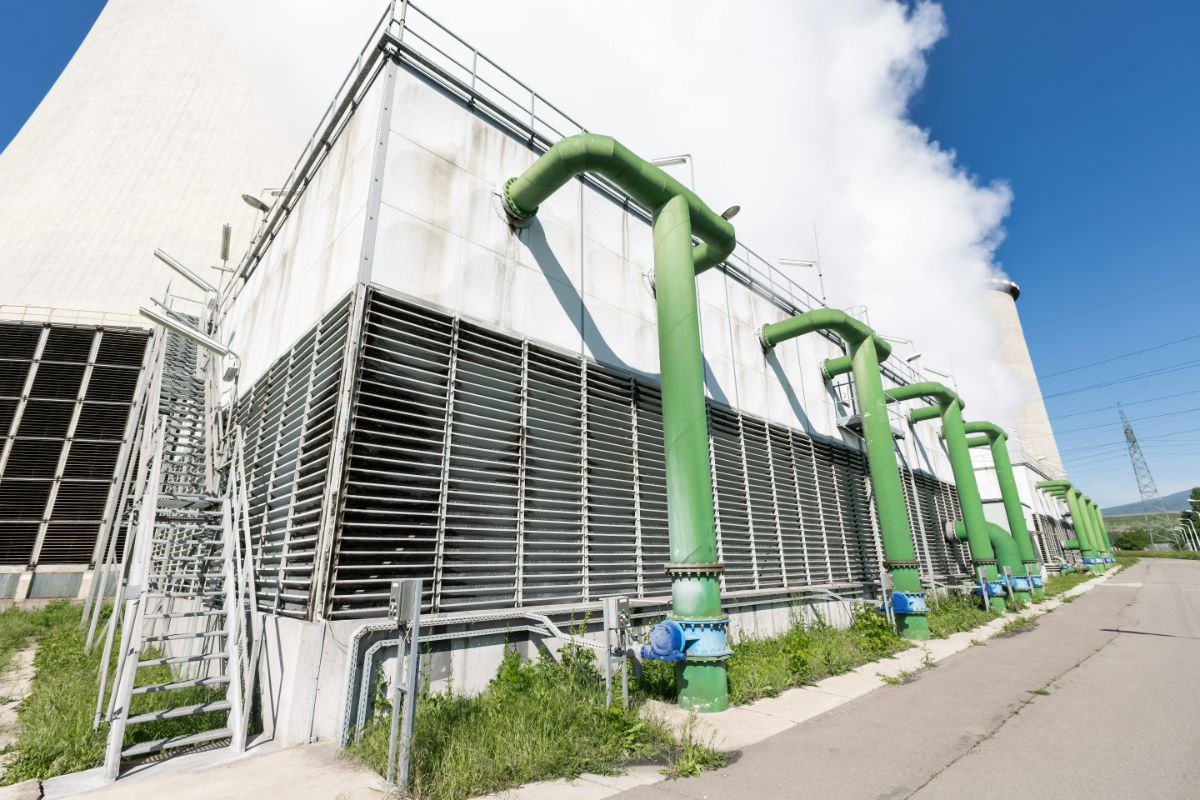
Restricted water flow can be caused by low flow rates, malfunctioning pumps, worn pump seals, or even problems with refrigerant circulation within the chiller itself. These issues can prevent the chiller from properly absorbing heat and rejecting it through the condenser, ultimately leading to a decrease in cooling capacity.
Solution
- Inspect and clear any blockages in the pipes to restore proper flow.
- Repair or replace leaking pipes to maintain water pressure and prevent water loss.
- Check and maintain water pumps to ensure they are operating correctly and providing adequate flow.
- Bleed the system to remove airlocks and allow for proper water circulation.
- Implementing regular maintenance and monitoring of the water system will help prevent flow-related issues.
Compressor Issues
Compressor problems can manifest as electrical faults, mechanical wear, or refrigerant-related problems. Electrical faults such as overheating or short circuits can disable the compressor. Mechanical wear from prolonged operation can lead to compressor failure or reduced efficiency. Refrigerant issues, such as leaks or improper charge, can also impact compressor performance.
Solution
- Inspect electrical connections and components for signs of damage or wear.
- Test and replace faulty components as needed.
Address mechanical issues by performing regular maintenance, including lubrication and inspection of compressor parts. - Ensure refrigerant levels are correct and address any leaks promptly.
- Consult with qualified technicians or the chiller manufacturer for detailed troubleshooting and repair guidance.
Key Takeaway
Effectively addressing chillers’ issues and solutions is key to maintaining peak performance and avoiding costly downtime. Additionally, partnering with industrial chiller experts ensures your system is properly maintained and operating efficiently. This translates to smoother operations in your industrial or commercial setting.
For 25 years, Industrial PH has been empowering businesses across the Philippines. We prioritize understanding and meeting our clients’ needs, providing them with the finest industrial equipment. Our expertise has earned us a high-profile industrial clientele, with 77 completed projects and 21 meticulously designed systems. Contact us today to discover how we can support your business needs.