From Source to Shelf: Understanding the Process of a Bottling System
 July 19, 2023
What is the process of a bottling system?
- Sourcing the ingredients
- Product formulation
- Cleaning and sterilizing
- Bottling
- Cap application
- Labeling and packaging
- Quality control and assurance
Overview
From sourcing the finest ingredients to the final stages of quality control, a well-coordinated bottling system ensures that bottled beverages reach consumers in pristine condition. This article explores the step-by-step process:
- Ingredient sourcingProduct formulation
- Cleaning and sterilization
- Bottling
- Cap application
- Labeling and packaging
- Rigorous quality control measures.
When we purchase a bottled beverage from a store, we often take for granted the meticulous process that goes into bringing it to our shelves. From sourcing the ingredients to the final product on display, a well-coordinated bottling system is the reason why products reach consumers in pristine condition.
As a provider of food and beverage industry solutions, Industrial PH is here to give an insight into how the process of bottling systems occurs step-by-step. Let’s delve into the intricacies of this process.
Step 1: Sourcing the Ingredients
The first step in the bottling process begins with sourcing the raw materials, namely the different ingredients required for the product. These could include water, carbonation, sweeteners, flavorings, and preservatives, among others. Depending on the type of beverage being produced, specific criteria govern the quality and source of these ingredients. Careful selection and quality control measures ensure that only the finest components are used.
Step 2: Product Formulation
Once the ingredients have been sourced, the next step is product formulation. Precision is key in product formulation. Machinery and equipment play key roles in this process since their role is to are utilized to measure and mix the ingredients in precise quantities to achieve the desired flavor, consistency, and quality. The formulation stage is often subject to extensive development and taste testing to ensure the final product meets market expectations.
Step 3: Cleaning and Sterilizing

Maintaining stringent cleanliness and hygiene standards is vital at every stage of the bottling process. It is crucial to ensure that equipment and containers are thoroughly cleaned and sterilized to prevent any form of contamination and uphold the product’s quality.
This critical step typically involves a combination of automated cleaning systems and careful manual inspections. Employing these measures ensures that every component in the production line undergoes thorough checking and verification, guaranteeing the integrity and purity of the final product by confirming its freedom from potential contaminants.
Step 4: Bottling
Once the product formulation is complete and the equipment is cleaned, the bottling process begins. Bottles, cans, or other suitable containers are filled with the prepared beverage. Depending on the product, this step could involve either hot or cold filling methods.
Hot filling involves heating the beverage to a specific temperature to kill any bacteria, while cold filling is employed for products that are heat-sensitive. Careful monitoring of filling volume and accuracy is vital to ensure that each container is filled to the correct level.
Step 5: Cap Application
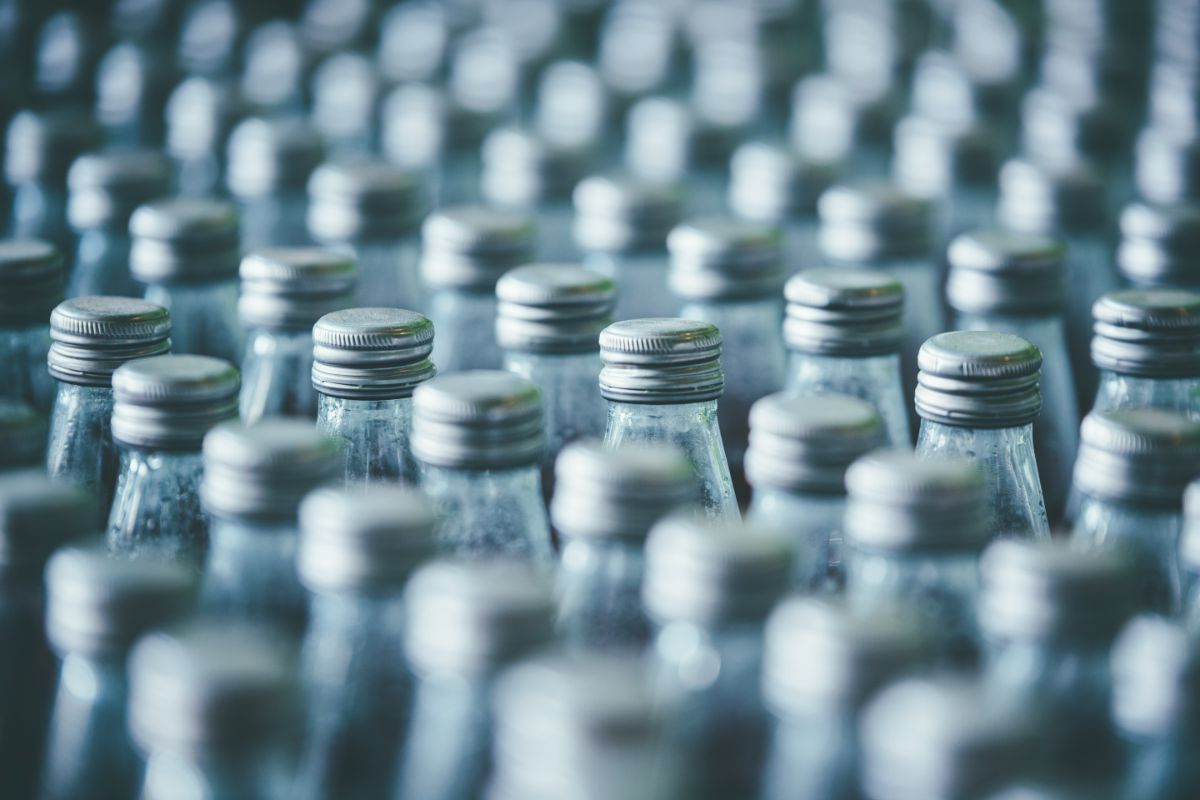
Once the bottles are filled with the beverage, the next crucial step is to seal them securely with caps or lids. This sealing process employs a range of techniques, such as capping machines and automated systems, which are specifically designed to ensure the tight and reliable closure of each bottle. The primary purpose of this sealing action is to prevent leakage, safeguard the product’s integrity, and maintain its freshness over time.
In the case of carbonated beverages, the caps used also serve the essential function of preserving carbonation levels, effectively minimizing the loss of fizz and ensuring that customers enjoy a satisfying and effervescent drinking experience.
Step 6: Labeling and Packaging

After the bottles are securely sealed, the next step in the bottling process involves labeling and packaging. Accurate and informative product labels are crucial for regulatory compliance and to provide essential information to consumers, such as nutritional facts and expiration dates.
Automating this step with labeling machines ensures consistent placement and adherence of labels, minimizing the risk of error. This maintains a high level of precision and consistency in the labeling process. Once labeled, the bottles are carefully organized and packed for shipment to distributors or retailers, ensuring they are prepared for seamless distribution and availability to consumers.
Step 7: Quality Control and Assurance
Throughout the entire bottling process, a comprehensive system of quality control measures is in place to ensure that the product meets stringent standards and regulations. Sample checks are taken at various stages to test for consistency, taste, and quality attributes. This guarantees that consumers receive a safe and consistent product.
Key Takeaway
The process of bottling system is a complex and intricate process that facilitates the journey from source to shelf. Each step, from ingredient sourcing to labeling, plays a crucial role in producing a high-quality beverage for consumption. Understanding the intricacies of the bottling process not only helps us appreciate the extensive effort that goes into producing a simple bottle, but it also reassures us as consumers that we can trust the quality and safety of the products we purchase.
If you’re looking for a food machinery provider in the Philippines, Industrial PH’s team of expert engineers offers comprehensive consultancy services, ensuring the proper design, layout, and installation of food machinery tailored to your operational needs.
With over 25 years of expertise in the food industry, we specialize in providing cutting-edge solutions for businesses. As a trusted partner of reputable brands like Del Monte, Coca-Cola, and Aboitiz Power, we have successfully executed numerous projects, assembled top-quality equipment, and satisfied the rigorous demands of the leading food industries.
Contact us today for queries and choose Industrial PH for unmatched expertise and top-notch food machinery solutions in the Philippines!