The Role of Fire Protection Systems in High-Rise Buildings in the Philippines
 November 7, 2023
What is the role of fire protection systems in high-rise buildings in the Philippines?
- Early Fire Detection
- Fire Suppression
- Smoke Control
- Evacuation Support
- Firefighter Access
- Community Safety
Overview
High-rise buildings in the Philippines rely on comprehensive fire protection systems to ensure the safety of occupants and the preservation of property.
These systems extend their protection beyond the building itself, safeguarding valuable assets, critical infrastructure, and business continuity.
They encompass early fire detection, fire suppression, smoke control, evacuation support, and enhanced firefighter access to mitigate the risks posed by fire hazards.
Additionally, fire protection systems contribute to the well-being of the broader community by minimizing the risk of fires spreading to neighboring properties.
High-rise buildings are an integral part of the Philippines, symbolizing growth and urbanization. In these towering structures, the role of fire protection systems is pivotal, serving as the first line of defense to ensure the safety of occupants and the preservation of property. However, they present unique challenges, necessitating advanced fire safety measures, such as fire alarms, sprinklers, and comprehensive evacuation plans.
Therefore, a closer examination of the role of fire protection systems in high-rise buildings within the Philippines is crucial, shedding light on the critical safety measures that underpin these architectural structures.
Early Fire Detection

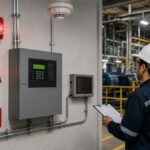
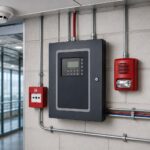
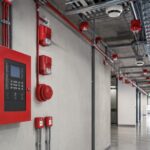
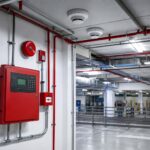
Early fire detection is of utmost importance in high-rise buildings to ensure the safety of occupants. Smoke detectors and fire alarm systems serve as the primary means of identifying fires, a particularly critical function in tall structures with multiple floors.
Strategically positioned throughout the building, these systems are designed to swiftly detect the presence of smoke. Once triggered, they initiate alarms, delivering a vital early warning to all building occupants. This is instrumental in facilitating a rapid and efficient evacuation process, reducing the risks of injuries and fatalities.
Fire Suppression
High-rise buildings often demand sophisticated fire suppression systems due to the heightened complexities of firefighting in such structures. Among these systems, sprinklers play a pivotal role in managing and potentially extinguishing fires before the arrival of professional firefighting teams.
Sprinkler systems are engineered to respond to an increase in temperature, promptly releasing water to curtail the swift propagation of flames. By effectively containing the fire at its source, these systems not only mitigate damage but also mitigate the hazards associated with uncontrolled and extensive fires.
Smoke Control
In fire incidents, smoke often presents a greater threat than the flames, primarily due to its capacity to impair visibility, impede respiration, and induce disorientation. High-rise buildings rely on smoke control systems, encompassing pressurization and exhaust systems, to address this challenge.
These systems preserve unobstructed escape routes by mitigating smoke buildup within stairwells and corridors. Additionally, they improve the working conditions for firefighters who may need to navigate the building during a fire incident.
Furthermore, smoke control systems are prevalent in commercial structures and tall residential buildings, particularly those housing numerous residents.
Evacuation Support

Efficient evacuation procedures are of paramount importance during fire emergencies, particularly when standard lighting systems may fail. Fortunately, these buildings are equipped with specialized emergency lighting and exit signs engineered to facilitate the safe egress of occupants.
These emergency lighting systems are designed to maintain well-illuminated escape routes, even in conditions of smoke and darkness. Clear and prominently illuminated exit signs serve a crucial role in guiding individuals toward designated evacuation points, thereby enhancing the efficiency of the egress process.
Firefighter Access
To combat a fire in a high-rise building, firefighters need appropriate access and equipment. Fire protection features include fire-rated access points, such as doors and passageways, which are designed to withstand the spread of fire and smoke.
Additionally, fire service elevators are specially designated for firefighter use, allowing them to reach the affected floors quickly with their equipment. Standpipes are also installed to supply pressurized water to various parts of the building, making it easier for firefighters to connect hoses and battle the blaze. These elements are crucial for enabling firefighters to perform their duties efficiently and safely.
Community Safety
Effective fire protection systems within these structures extend beyond safeguarding the building itself. They safeguard not just the building, and people inside it, but also other elements that need safety from fire hazards, including valuable assets, electrical systems, communication networks, operations, and more.
Fortunately, fire protection systems minimize the risk of fires spreading to neighboring properties, thus ensuring the safety of the surrounding community.
Key Takeaway
Fire protection systems in high-rise buildings in the Philippines are multifaceted, extending their protective measures beyond the structure and its occupants. They encompass the safeguarding of valuable assets, critical infrastructure, business continuity, environmental considerations, and the well-being of the broader community. These systems play a crucial role in ensuring the security, functionality, and resilience of high-rise buildings in the face of fire hazards.
Industrial PH comes in providing systems that create community safety to eliminate fire hazards in high-rise buildings and any infrastructure. Provide your building with the safest fire protection systems when you contact us here for your safety and security.