Choosing the Right Capacity and Dimensions of Steel Tank for Your Facility
 September 5, 2026
Overview
- Determine the appropriate steel tank capacity by assessing your facility’s consumption, storage demand, and operational requirements.
- Compare tank orientations, dimensions, materials, and environmental conditions to ensure the design suits your available space and application.
- Learn why working with an experienced steel tank fabricator in the Philippines matters for custom fabrication, quality assurance, and installation.
Steel tanks are essential storage solutions across industrial facilities, supporting operations that require reliable containment of water, fuel, chemicals, and other process liquids.
However, selecting a tank involves more than identifying the material you need to store. You must also account for storage volume, available installation space, and operational demands.
Choosing the right capacity and dimensions of a steel tank for your facility helps ensure your investment meets current storage needs, accommodates future demand, and fits your site’s physical limitations. As a procurement officer, evaluating these specifications early also helps you avoid unnecessary costs and installation complications.
Determining Tank Capacity
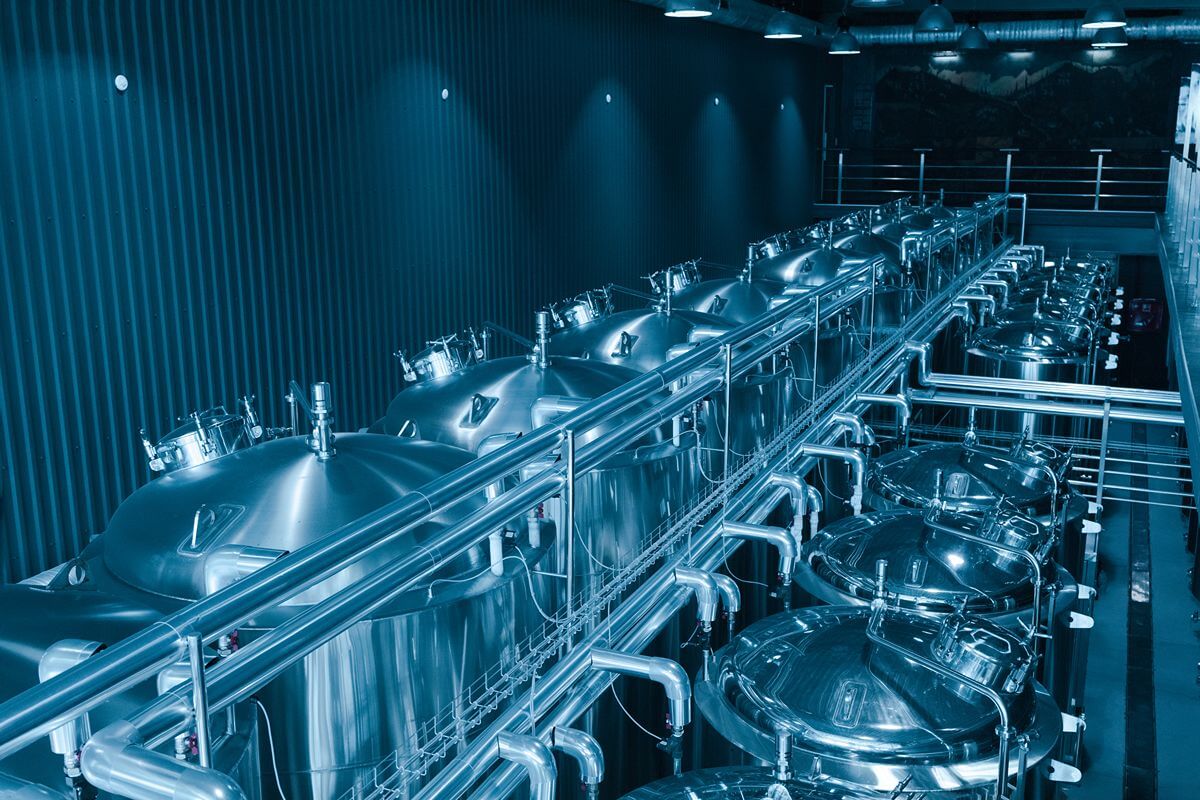
Your facility’s storage needs are the starting point for calculating the right tank capacity. Review at least 12 months of historical consumption data to establish average daily usage, seasonal variations, and maximum peak demand. Then consider replenishment frequency, lead times, delivery reliability, and the operational consequences of a supply interruption.
Size the tank around its required net working capacity, not merely its nominal volume. Net working capacity is the volume available under normal operating conditions after accounting for minimum operating volume, overfill protection, and other operating limits.
Add a project-specific contingency based on supply risk, process criticality, and future demand and document the assumptions behind your reserve margin. Also distinguish nominal capacity from usable capacity, since freeboard, sediment accumulation, dead stock below the outlet, and operating levels can reduce the volume actually available for storage
Choosing Tank Orientation and Shape
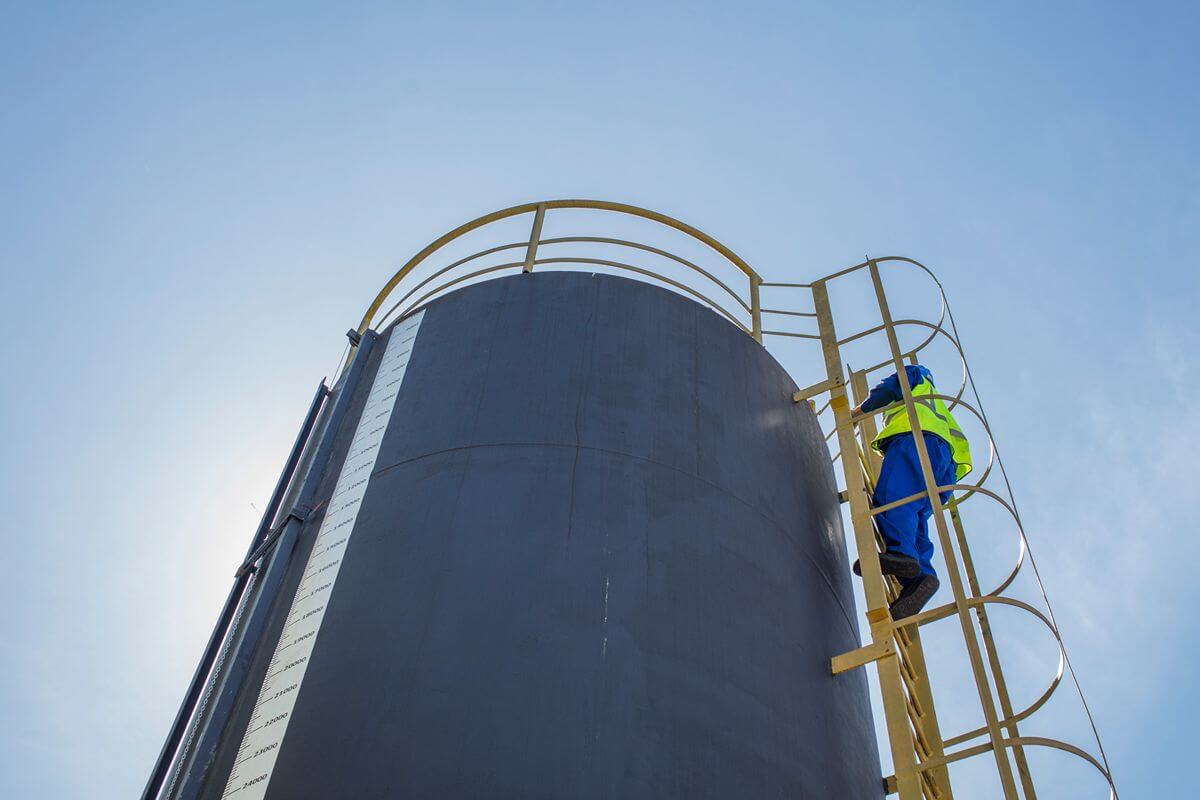
Once you establish the required volume, evaluate how the tank’s dimensions will fit your facility. Vertical cylindrical tanks use a smaller ground footprint, making them suitable for sites with limited floor space but sufficient overhead clearance. Horizontal tanks distribute their volume across a wider area and may better accommodate locations with height restrictions.
Your available installation area, foundation capacity, access routes, surrounding equipment, and lifting arrangements should influence this decision. Confirm that the proposed tank can be transported to the site, positioned safely, and connected to existing piping and utilities. Reserve clearance for inspections, nozzles, vents, ladders, and maintenance activities.
Work with your fabricator to compare diameter, height, shell thickness, foundation loads, and overall footprint before finalizing the design. For larger welded storage tanks, dimensions are commonly selected by balancing working volume, plot area, allowable height, soil-bearing capacity, wind and seismic exposure, and operating access. A tank that meets volume requirements but obstructs operations can create avoidable installation and maintenance problems.
Material and Environmental Considerations
The stored liquid determines whether carbon steel or stainless steel is more suitable for your tank. Carbon steel is a cost-effective option for water and fuel storage when properly coated, while stainless steel offers greater corrosion resistance for certain chemicals and sanitary applications.
Consider the liquid’s chemical properties, operating temperature, and environmental exposure, particularly in humid or coastal Philippine locations. Also verify that your tank specifications comply with applicable industry regulations, safety standards, and structural requirements. Consult your fabricator about suitable steel grades, protective coatings, and internal linings to ensure long-term performance and safe storage.
Why Work With an Industrial Steel Tank Fabricator in the Philippines?
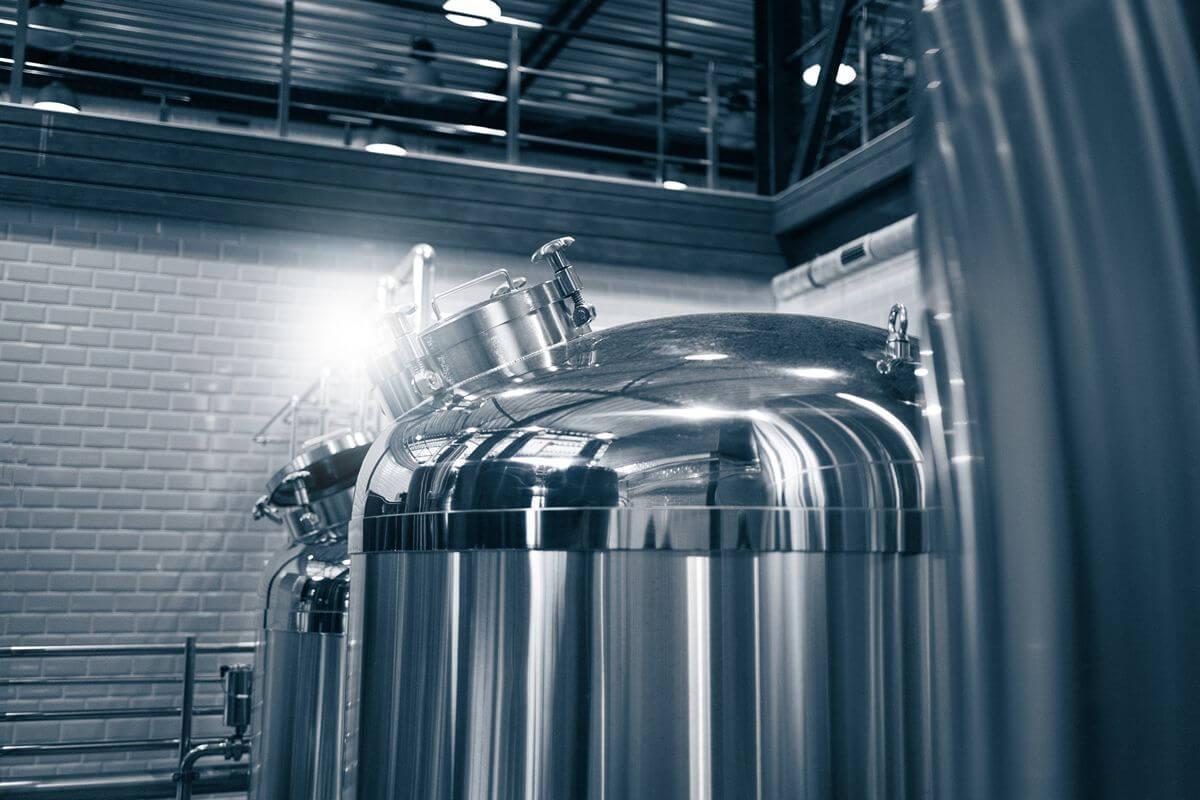
Your tank specifications must translate into a safe, functional structure, so your choice of fabrication partner is a key part of the procurement process.
Ensuring Your Tank Is Built to Your Exact Capacity and Dimensions
Standard tank designs may not meet your facility’s storage requirements or space limitations. A steel tank fabricator can customize capacity, height, diameter, nozzle placement, supports, and configuration based on your operational needs.
Proper engineering assessments should confirm that the design accounts for liquid properties, operating conditions, foundation capacity, wind and seismic loads, structural requirements, and installation constraints. This helps reduce costly adjustments after fabrication and ensures the tank provides the intended net working capacity, not just a nominal volume
Accessing Custom Fabrication for Unique Facility Requirements
Different industrial applications require specific tank configurations, materials, and connections. Custom fabrication lets you meet these requirements instead of adapting your operations to standard designs.
Your fabricator should evaluate material compatibility, available space, operating temperature and pressure, corrosion exposure, nozzle and manway requirements, and installation limitations.
For flammable or combustible liquids in the Philippines, the applicable rules require tanks to be built of steel, with design and fabrication following applicable API and ASME requirements.
Reducing Risks Through Standards, Testing, And Quality Control
Fabrication quality affects your tank’s structural integrity and operational reliability. Before approving a project, verify the fabricator’s material inspections, welding procedures, dimensional checks, and testing protocols.
Confirm compliance with applicable engineering, regulatory, and safety standards to ensure the finished tank meets its intended specifications and operating requirements.
Getting end-to-end Support from Design to Installation
Tank procurement involves design, fabrication, transportation, installation, and ongoing maintenance. Working with a provider that handles these stages streamlines coordination and minimizes project delays.
Installation expertise and continued maintenance support also help ensure your tank operates properly and remains in good condition throughout its service life.
Choose Industrial PH as Your Industrial Steel Tank Fabricator in the Philippines
At Industrial PH, we bring 25 years of industry experience and a team of 100 skilled and experienced engineers to every project. We specialize in steel tank fabrication, providing solutions tailored to your facility’s storage and operational requirements.
Beyond manufacturing, we offer installation and maintenance services to support your tank throughout its service life. Our expertise also covers refrigeration equipment, bottling equipment, and water treatment solutions. With engineering expertise and responsive customer support, we work closely with you to deliver reliable fabrication solutions suited to your industrial applications.
Key Takeaway
Choosing the right capacity and dimensions of a steel tank for your facility requires careful evaluation of storage demand, available space, material compatibility, and operating conditions. These considerations help you avoid undersized or oversized installations while ensuring that your tank supports current and future operational needs.
Working with an experienced fabricator ensures your specifications translate into a tank that meets your facility’s requirements. Contact Industrial Ph today to discuss your storage needs and request a steel tank fabrication consultation.