What to Know Before Installing FRP Panels in Your Facility
 December 19, 2025
Overview
- Proper preparation determines how well FRP systems perform after installation. Each stage, from handling and acclimation to inspection and safety, plays a key role in ensuring durability, hygiene, and compliance within your facility.
- By understanding these requirements, facility managers and procurement officers can minimize risks, reduce maintenance costs, and extend the lifespan of their wall and ceiling systems.
- Industrial PH provides dependable FRP solutions that combine strength, moisture resistance, and precision engineering. With expert guidance and quality materials, we help facilities achieve lasting, compliant installations built to withstand demanding operational environments.
Fiberglass-Reinforced Plastic (FRP) panels provide a durable, low-maintenance solution for walls and ceilings. Their long-term performance, however, depends on careful preparation. Mistakes during handling or mounting can lead to increased maintenance costs and operational inefficiencies later on.
To prevent these issues, it’s crucial to understand what you need to know before installing FRP panels in your facility. That’s where Industrial PH comes in — as a leading supplier in the Philippines, we combine high-quality materials and technical expertise to guide every step of the preparation process.
Read on to learn the essential considerations that ensure a lasting wall-and-ceiling system for your premises.
Material Handling and Preparation
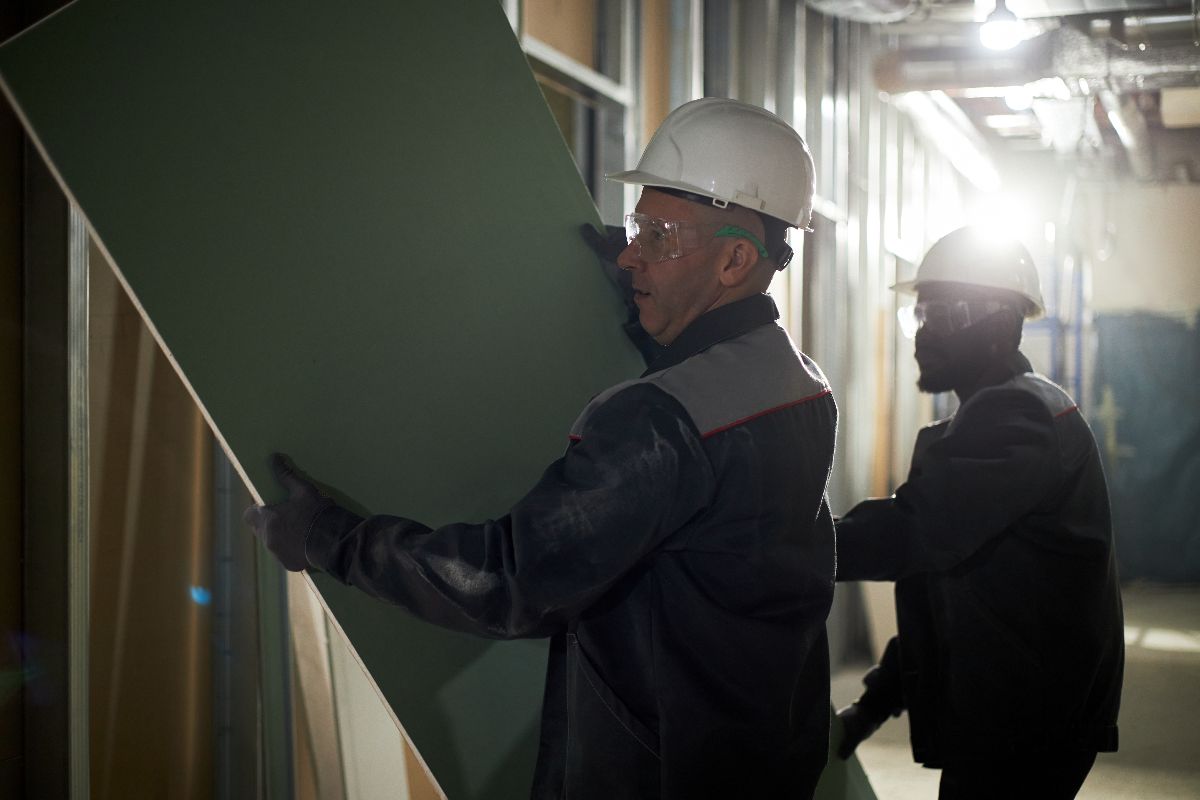
Since mishandled panels often cause surface defects, proper material handling must begin before installation. They must remain clean and protected from sunlight or moisture to preserve their integrity.
Carefully controlling site conditions and conducting thorough inspections ensures every sheet arrives ready for precise fitting.
Acclimation and Storage
Before installation, it’s important to know that FRP panels must acclimate to the facility’s environment. Temperature and humidity changes cause them to expand or contract, leading to misalignment once installed. Allowing the materials to adjust to site conditions helps you ensure a proper fit and long-term surface integrity.
To achieve this, FRP coverings should be stored flat on a clean, dry surface away from direct heat sources. Keeping them covered protects them against dust and moisture absorption — elements that affect adhesive performance.
Panel Inspection
Inspecting the panels helps ensure they’re free from visual and structural defects. Scratches, bends, or irregular textures may seem minor at first, but they can compromise the final performance of your wall-and-ceiling systems. Identifying these flaws early on helps you prevent installation delays and costly rework later on.
Facility managers should also confirm that every component maintains uniform thickness and consistent color. These checks verify compliance with both project specifications and design requirements. For dependable results, products like Industrial PH’s FRP Wall and Ceiling Panels are designed with this consistency in mind. Each sheet is precision-engineered to remain lightweight yet durable from start to finish.
Surface Preparation
Strong adhesion begins with a properly cleaned substrate. Leveling the wall surface and clearing it of debris allows maximum contact with the interior coverings. The more uniform the substrate is, the stronger and longer-lasting the bond becomes.
Substrate Condition
One crucial consideration is that high-strength sheets rely on a stable, even substrate for proper adhesion. Uneven or damaged substrates lead to visible warping or cracks that reduce the system’s lifespan. For this reason, procurement and facility managers must confirm that the surface is in top condition before installation.
If any areas show signs of moisture damage, these must be repaired or reinforced to prevent long-term issues. Preparing a stable foundation ensures each solution maintains its alignment under daily operational conditions.
Adhesive Compatibility
Not all adhesives react the same to materials or substrates, making compatibility a critical factor in achieving a lasting bond. Each surface type requires a specific adhesive or fastening approach to ensure successful integration.
Below are the recommended adhesive solutions for different surfaces:
- Porous vs. Non-Porous Surfaces: Use water-based adhesives for drywall or plywood. Non-porous surfaces like tile or metal require mechanical fasteners or special advanced polymer adhesives.
- High-Humidity Areas: A combination of adhesive and mechanical fasteners for high-moisture areas, such as restrooms, enhances stability.
Safety Considerations
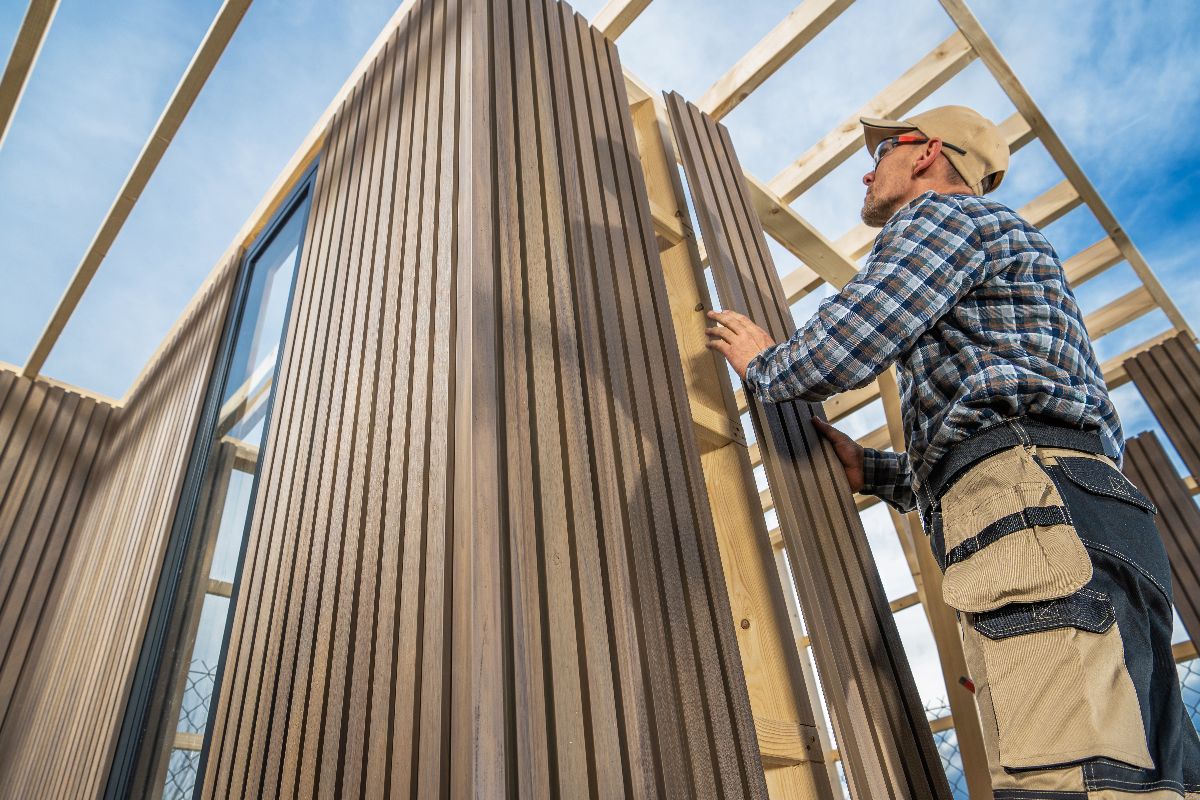
Safe practices protect both employees and property throughout the installation process. Since adhesives are often flammable and cutting tools pose physical risks, strict compliance with industrial safety standards is essential.
Prioritizing safety helps you maintain workflow efficiency and prevent avoidable accidents on-site.
Fire Safety
FRP materials vary in heat resistance levels, so choosing fire-rated options is essential to maintain compliance with safety codes, like the Fire Code of the Philippines (RA 9514). These are specifically designed to slow flame spread and reduce smoke generation in case of emergencies.
Before installation, confirm that your chosen exterior sheets meet local standards. You should also opt to acquire a fire safety inspection certificate for your facility. This ensures both structural safety and code compliance over the long term.
Ventilation
During installation, adhesives and resins release fumes that affect air quality. Poor ventilation can cause safety hazards for workers, especially in enclosed areas. Maintaining proper airflow minimizes their exposure to volatile compounds and ensures a safer work space.
Facility managers should schedule installation when adequate ventilation systems are active. Allowing adhesives to cure in well-ventilated areas also improves the bond’s integrity, ensuring long-term reliability.
Personal Protective Equipment (PPE)
Every installation environment exposes workers to potential health risks from cutting tools and adhesives. Instead of overlooking these risks, supervisors should ensure proper safety gear is always available and enforced on-site. Doing so not only supports compliance but also maintains a secure working environment.
Critical PPE components include:
- Hard Hats
- Goggles
- Protective Clothing
- Gloves
- Earplugs
- Masks and Respirators
Key Takeaway
Proper installation directly affects how well your components perform over time. With a complete understanding of what to know before installing FRP panels in your facility, you safeguard both structural integrity and operational efficiency.
In partnership with Valto Engineered Materials, Industrial PH delivers wall and ceiling solutions that meet industry standards for reliability and compliance. Contact us today to discuss how we can support your next facility upgrade with precision-built FRP systems.