What is a Refrigeration Plant?
 January 24, 2023
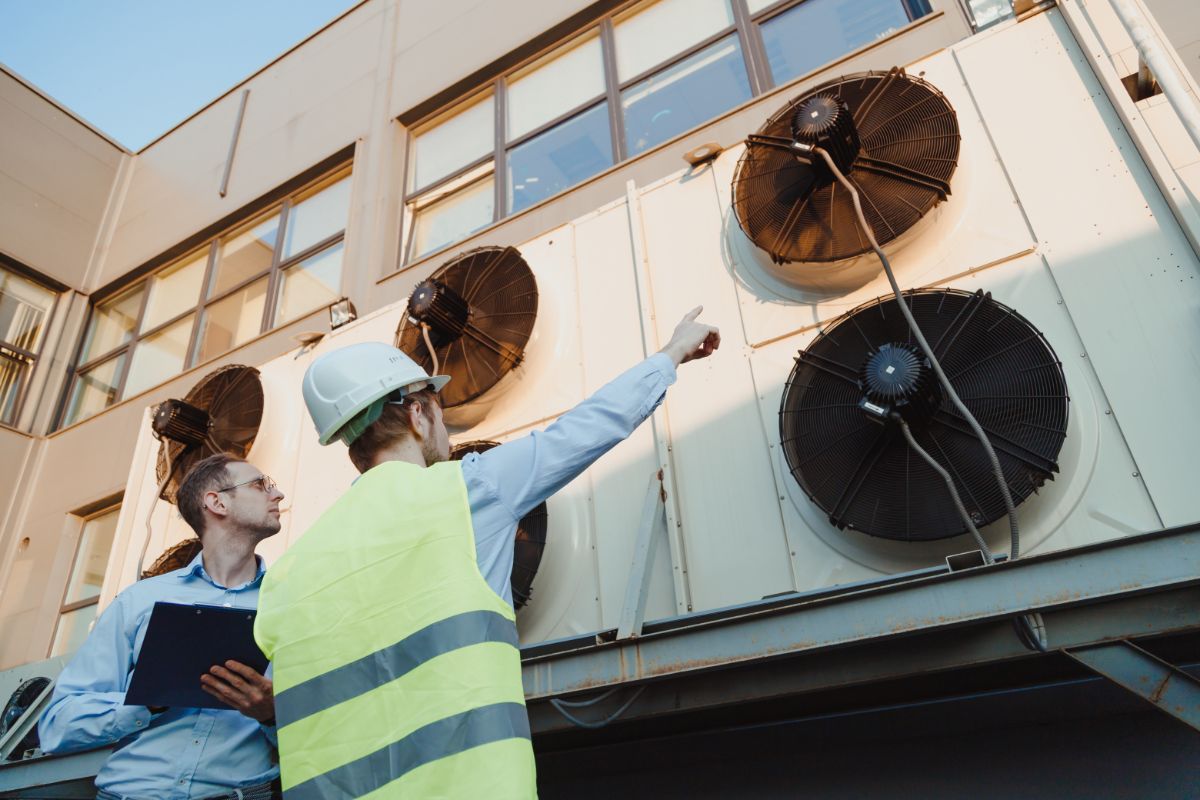
The importance of refrigeration in modern society cannot be overstated, as it plays a crucial role in keeping food, medicine, and other perishable items fresh. But many don’t know the answer to the question “What is a refrigeration plant?” The backbone of this technology is the refrigeration plant, which provides the necessary cooling power for large-scale storage and distribution. In this blog post, we’ll delve into the concept of a refrigeration plant and examine its functions and components.
What is a Refrigeration Plant?
A refrigeration plant is a large-scale industrial facility that is designed to produce and distribute refrigerant gases. This refrigerant is then used to cool large storage facilities, such as warehouses, supermarkets, and distribution centers.
These plants are typically located in areas where there is a high demand for refrigerants, such as near major urban centers or ports.
Components of a Refrigeration Plant
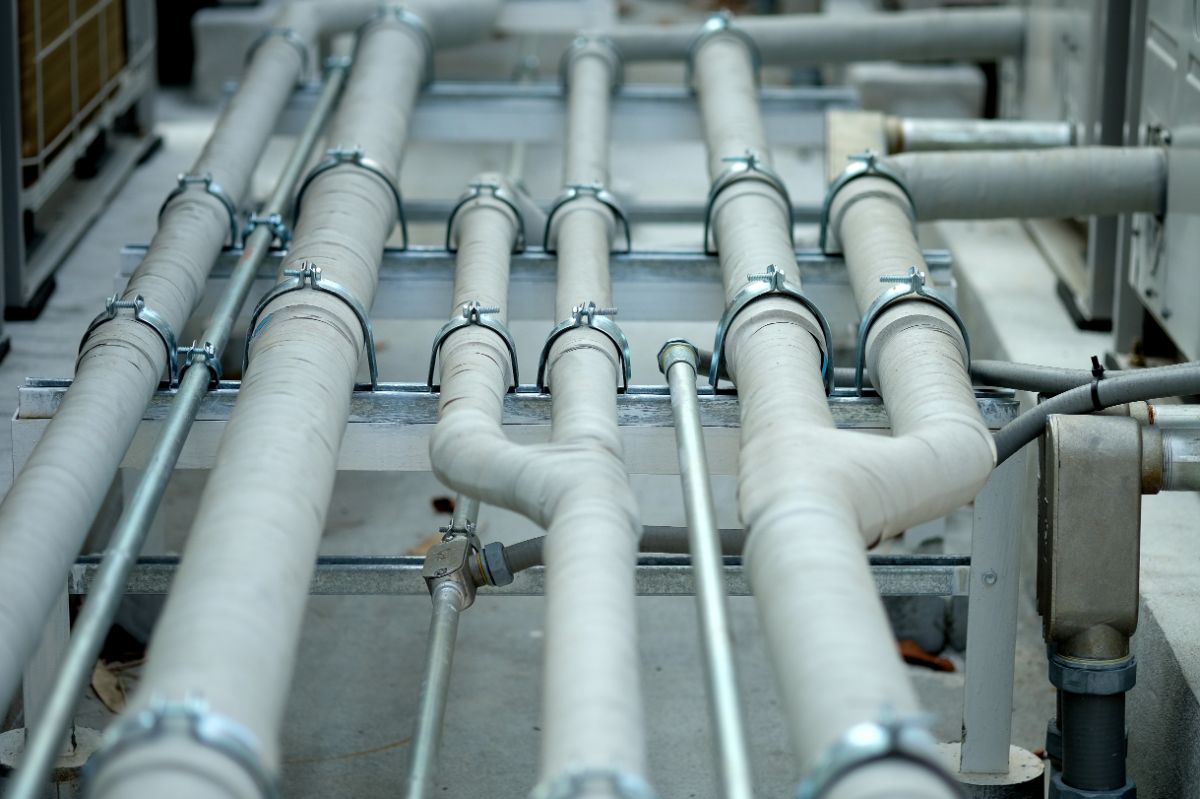
Refrigeration plants are equipped with a range of industrial-grade equipment, including compressors, condensers, and evaporators. These components work together to produce and distribute refrigerant gases, which are then used to cool various facilities. The refrigerant gases used in refrigeration plants can be either synthetic or natural, depending on the specific needs of the facility.
Refrigeration plants are typically equipped with sophisticated control systems that monitor the performance of the refrigeration equipment and ensure that it is operating at optimal levels. These control systems can be programmed to maintain specific temperature ranges, respond to changes in demand, and adjust the refrigeration process as needed.
The size of a refrigeration plant can vary greatly, depending on the specific needs of the facility. Small refrigeration plants may be equipped with a single compressor and a few condensers, while larger refrigeration plants may be equipped with multiple compressors and a large network of condensers, evaporators, and expansion valves.
How Does a Refrigeration Plant Work
At the core of a refrigeration plant lies the compressor, which performs the crucial task of compressing refrigerant gas. This compression elevates the temperature and pressure of the refrigerant gas, preparing it for its use in the cooling process. Subsequently, the compressed refrigerant gas is routed through a condenser that eliminates any heat produced during the compression.
The cooled refrigerant gas is then passed through an expansion valve, which reduces the pressure and temperature of the refrigerant gas. This reduction in pressure and temperature causes the refrigerant gas to turn into a low-pressure gas that is capable of absorbing heat from the surrounding environment. The refrigerant gas then passes through an evaporator, which absorbs heat from the surrounding environment and returns the refrigerant gas to its original temperature and pressure.
The refrigerant gas then returns to the compressor, commencing the cycle anew. This repetition of compression, condensation, expansion, and evaporation forms the refrigeration cycle and is performed continuously to maintain the desired temperature in the cooling facility.
Maintenance of Refrigeration Plants

In addition to controlling the refrigeration process, refrigeration plants also require regular maintenance and inspection in order to ensure that they are operating safely and efficiently. This maintenance can include regular cleaning and inspection of the refrigeration equipment, as well as the replacement of worn or damaged components.
Monitor Refrigerant Levels
Regularly check the refrigerant levels in the system to ensure they are at the correct levels. Low refrigerant levels can cause the system to become less efficient and increase energy consumption.
Clean condenser coils
Dirty condenser coils can reduce the efficiency of the refrigeration system, so it’s important to keep them clean. Clean the condenser coils regularly with a coil cleaner or a soft brush to remove any dirt or debris.
Inspect the Refrigerant Lines
Check the refrigerant lines for any signs of leaks, corrosion, or damage. Repair any leaks or damage immediately to prevent refrigerant loss and keep the system functioning optimally.
Replace filters
Replace the filters in the refrigeration system regularly to keep the system running smoothly and prevent contaminants from entering the system.
Check the compressor
Check the compressor regularly for any signs of wear and tear, such as abnormal noises or vibrations. Address any issues promptly to prevent further damage to the system.
Conduct regular thermometer readings
Regularly measure the temperature in the refrigerated area to ensure it is maintained at the desired level. This can help identify any problems early and prevent food spoilage or other issues.
Key Takeaway
A refrigeration plant is a large-scale industrial facility that is designed to produce and distribute refrigerant gases for use in the cooling of various facilities. Refrigeration plants are equipped with a range of industrial-grade equipment, including compressors, condensers, and evaporators, which work together to produce and distribute refrigerant gases. The performance of refrigeration plants is monitored by sophisticated control systems, and regular maintenance and inspection are required to ensure that they are operating safely and efficiently.
If you’re looking for a refrigeration plant for your facility, you can turn to us here at Industrial PH. We are the leading engineering solutions provider in the Philippines who can provide you with industrial machinery and food & beverage solutions. Don’t hesitate to contact us here today.