5 Waste Water Treatment Processes
 January 6, 2023
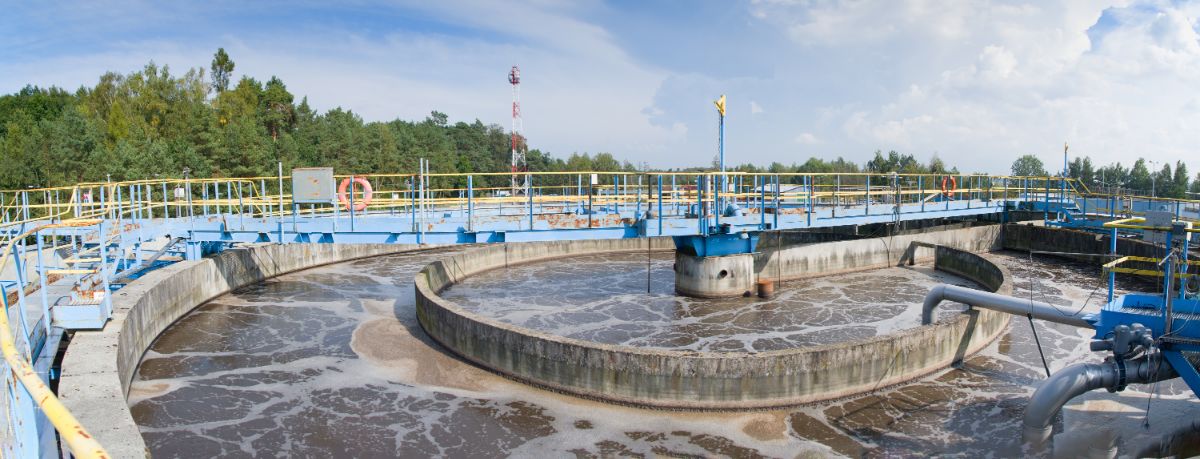
What are the different wastewater treatment processes?
- Sedimentation
- Biochemical Oxidation
- Chemical Oxidation
- Anaerobic Treatment
- Polishing
Wastewater treatment is a critical process for protecting our water resources and ensuring that the water we use for drinking, irrigation, and other purposes is safe and clean. The process of wastewater treatment involves removing pollutants from the water and returning it to the environment or reusing it. In this blog post, we will discuss the different waste water treatment processes and how they work.
Sedimentation

Beginning with the most clear-cut and simplest method of wastewater treatment, sedimentation falls under the category of phase separation which is all about isolating solids and other non-water substances from the water itself.
Small stones, sand, and other particles are removed from the wastewater by gravity as they sink down at the bottom of a settling tank. Clarifiers are a kind of settling tank which have skimmers that remove other solid and non-water items that float to the surface such as wooden debris, plastic sachets, diapers, and condoms.
The solids are then collected from the “sludge zone” where settled solids are separated from other particles. The water, now clear of solids and non-water elements, then proceeds to the next stage of the water treatment process.
Biochemical Oxidation
The next step of wastewater treatment is called secondary treatment. It focuses on more microscopic actions as it takes away biodegradable organic matter such as bacteria, parasites, plankton, or other kinds of microorganisms from the water.
This brings the wastewater closer to the goal of becoming fitter for reuse or proper disposal without any risk of harm to any flora or fauna. Biological processes are utilized to remove dissolved and organic matter that still remains suspended in the water. It uses other microorganisms in a controlled process which varies according to the technology implemented. Good bacteria and other single-cell microorganisms are employed to eat the biodegradable contaminants in the wastewater, breaking them down into less harmful components. This is largely used in sewage treatment from agricultural and industrial wastewater.
Chemical Oxidation
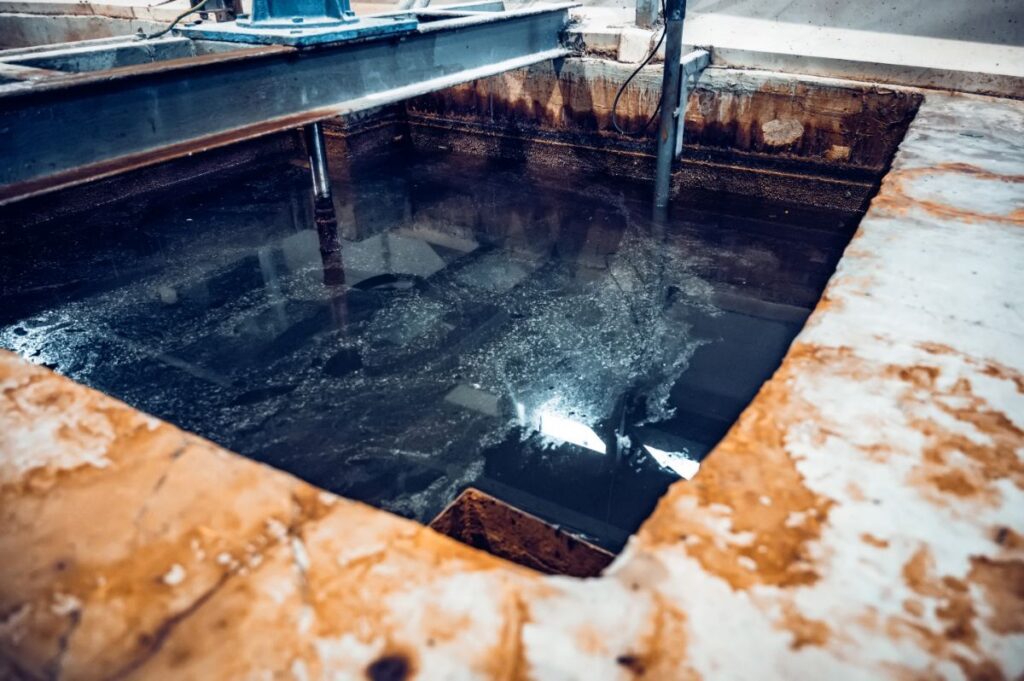
Chemical oxidation is another variation of secondary treatment. Also known as advanced oxidation processes, it is employed to take away persistent organic pollutants also known as “forever chemicals” that are resistant to environmental degradation. Most of them are toxic chemicals that negatively impact human, animal, and plant health and well-being.
The advanced oxidation process is a general, umbrella term that covers chemical processes that aim to remove organic materials from wastewater by using hydroxyl radicals like ozone, hydrogen peroxide, or chlorine. Other times, ultraviolet light rays are used. Advanced oxidation processes and procedures are wholly applicable for getting rid of persistent organic pollutants such as pesticides, products extracted from petrol, and volatile organic compounds in wastewater. The hydroxyl radicals then turn into simpler and safer materials like carbon dioxide, various salts, and of course cleaner water.
Anaerobic Treatment
Anaerobic treatment is a method of treating industrial wastewater that utilizes anaerobic bacteria, which are microorganisms that thrive in environments without oxygen. These bacteria are used to convert organic pollutants into biogas, specifically methane and carbon dioxide. This biogas can then be used to generate eco-friendly electricity and heat. This method of treatment is preferred for its advantages over aerobic processes, such as its lower energy consumption and smaller reactor surface area required.
Polishing
Polishing is the final stage of wastewater treatment, typically performed independently and separately from the previous three steps. The main objective of polishing is to adjust the pH levels of the water and/or reduce its chemical reactivity. This is achieved through the use of various methods such as carbon filtration, which utilizes activated charcoal, calcium carbonate, or other materials to remove any remaining contaminants and impurities.
Key Takeaway
There are many wastewater treatment processes used in the Philippines. It is important to note that not all wastewater treatment facilities use all of these processes, and the specific process used may vary depending on the type of wastewater being treated and the level of treatment required. Some facilities may only use primary and secondary treatment, while others may use all five processes.
Industrial PH provides its clients with reliable engineering solutions including industrial machinery. We provide our conveying solutions to industrial piping systems to wastewater treatment facilities to various clients across the country. Our team of certified engineers is ready to help you design and assemble these to suit your company’s industrial needs. Contact us here today!