Types of Fire Protection Systems
 January 22, 2023
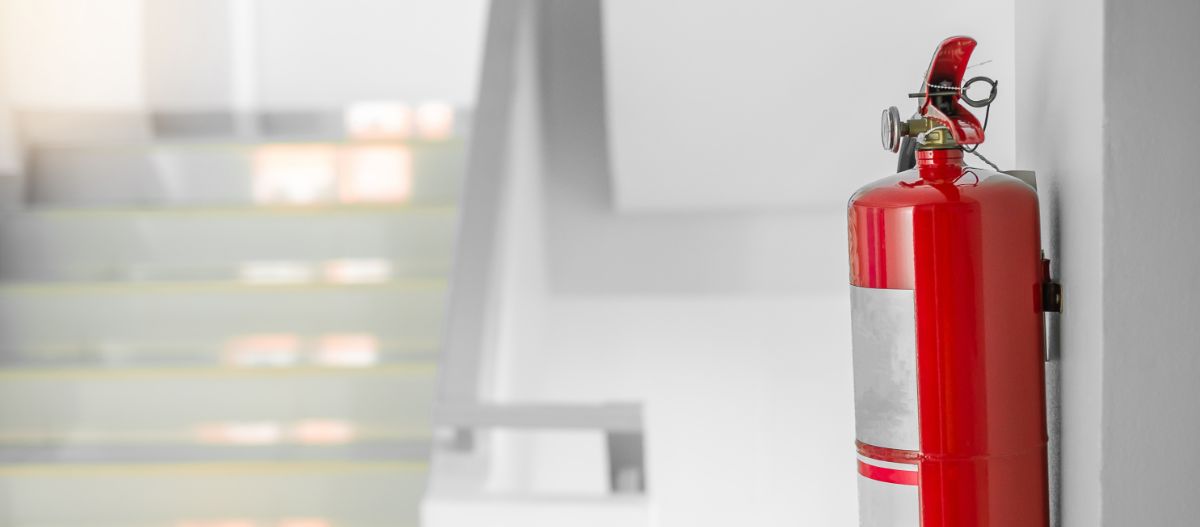
What are the types of fire protection systems?
- Automatic Sprinkler System
- Fire Alarm System
- Fire Extinguisher
- Clean Agent System
- Kitchen Hood Suppression System
A fire occurrence is always unpredictable and an accident that must be addressed as much as possible. Any establishment needs to comply with fire alarm systems to protect the safety of those nearby. These are intended to detect the presence of fire, alert people to evacuate, and notify rescue crews to arrive. So what are the types of fire protection systems? Here are some of the lists as well as their functions:
Automatic Sprinkler System

The automatic sprinkler system is one of the most popular fire protection systems. In the early stages of a fire, sprinklers are a very dependable and effective method of preventing the spread of fire. By controlling and neutralizing the effects of fire, sprinklers have a significant impact in reducing the damage caused by fires, minimizing injury and death to firefighters and bystanders. Quickly putting out a small fire is the most effective way to avoid harm to people or property.
Heat is often the trigger for automatic sprinkler systems. When the heat-activated element reaches its operating temperature, an automatic sprinkler activates automatically. This happens when the air temperature reaches or exceeds the sprinkler’s specified temperature rating, successfully containing and putting out fires in commercial, industrial, and residential structures.
Fire Alarm System
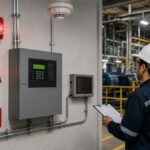
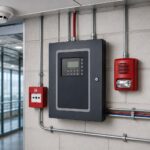
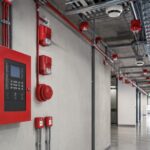
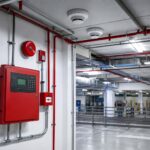
The fire alarm system is a type of fire prevention system found in all offices, factories, and public buildings. These systems use sensors and alarms to detect fires and alert occupants and emergency services. Components such as smoke detectors, heat detectors, and pull stations can be incorporated into both wired and wireless fire alarm systems.
The purpose of a fire alarm system is to warn people of an emergency so that they can take precautions to safeguard themselves, the employees, and all occupants in the building. Regardless of the detection method, when an alarm is triggered, sounders will sound to alert building occupants of a potential fire and to evacuate. Some fire alarm systems may also include a remote signaling system that alerts the fire department through a central station.
Fire Extinguisher
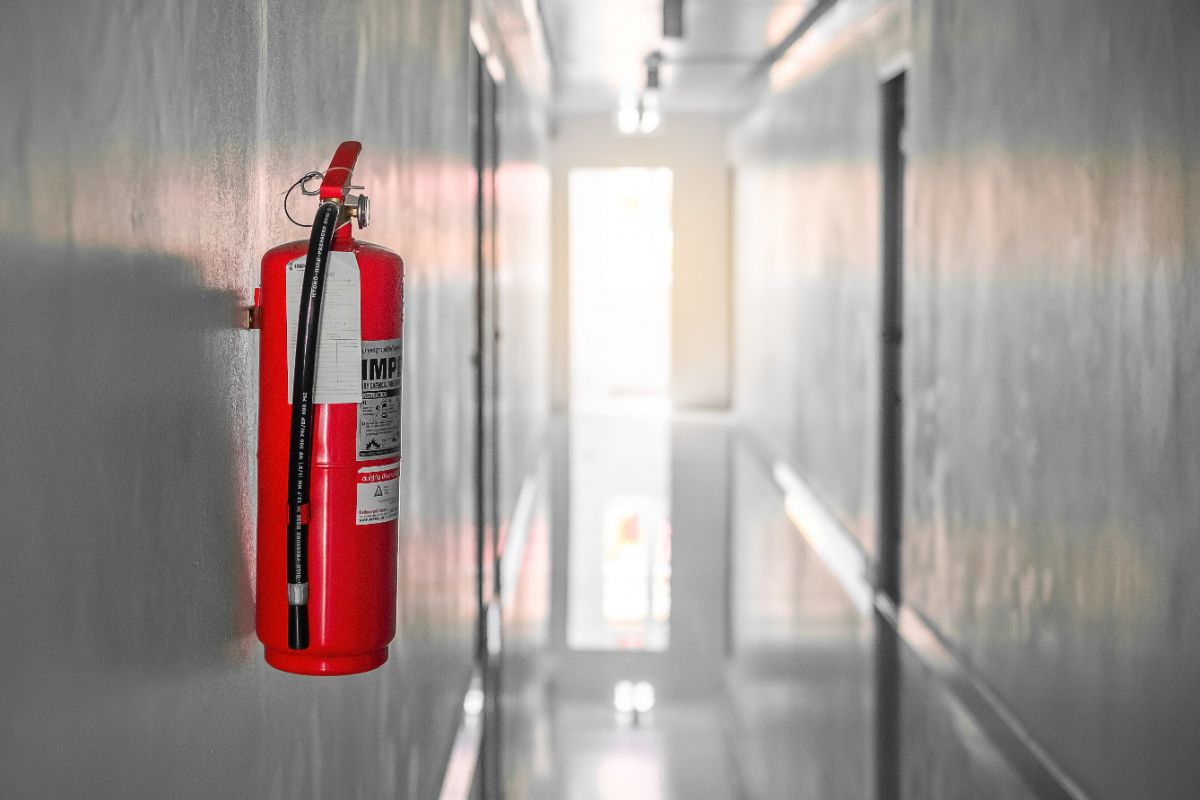
There are portable tools for extinguishing minor fires before they go out of control. These are your fire extinguishers. They are commonly found in buildings, vehicles, and boats and come in several forms, including water, foam, carbon dioxide, and dry chemical powder. To stop a fire from spreading, fire extinguishers use a substance to reduce the heat of the flames, smother the fuel, or cut off the oxygen supply. If used by a trained person, a portable fire extinguisher can swiftly put out a minor fire.
Clean Agent System
Sprinkler systems are frequently the essential, default option for safeguarding people and property from fire risks. While they are pretty good at this, there are times when it is necessary to kill a fire to protect high-value, delicate things swiftly. This is when clean agents come into play because they can extinguish fires without causing any damage to nearby equipment.
A clean agent is a gaseous fire suppressant that is electrically nonconducting and leaves no residue after evaporation. It is the best option for defending priceless materials like historical artifacts or delicate electrical equipment. This kind of technology uses residue-free, pure substances like halocarbons, which are kind to the environment. These systems are frequently employed in specialized spaces like data centers, computer rooms, and telephone exchanges.
Kitchen Hood Suppression System

Restaurants have a higher likelihood of experiencing fire incidents compared to any other industry. The kitchen area in a restaurant is particularly susceptible to fire, hence requiring a specialized fire suppression system. Traditional water-based fire extinguishers may not be effective in controlling grease fires, which can worsen with the introduction of water. Hence, restaurants often adopt a kitchen fire suppression system to mitigate the impact of fire emergencies.
These systems, which are created especially for commercial kitchens, safeguard the ducting, exhaust fans, and kitchen hood from fires. They use nozzles installed in the hood and ductwork to release a wet chemical substance.
Key Takeaway
Now you know what the types of fire protection systems are. These are essential for any building to ensure the safety of those around it. These are intended to detect the presence of a fire, notify people to evacuate, and alert emergency personnel to assist.
One of the most crucial things to remember when looking for a fire alarm in the Philippines is that these systems are active during life-or-death circumstances. Therefore their reliability is essential. You should choose a reliable company that sells high-quality tools and equipment for fire alarm systems.
As a provider of engineering solutions, Industrial PH can help you design and install your fire alarm system. Contact us here to have our team of engineers work closely with you on this project.