The Role of Electromechanical Systems in Modern Facility Management
 January 2, 2026
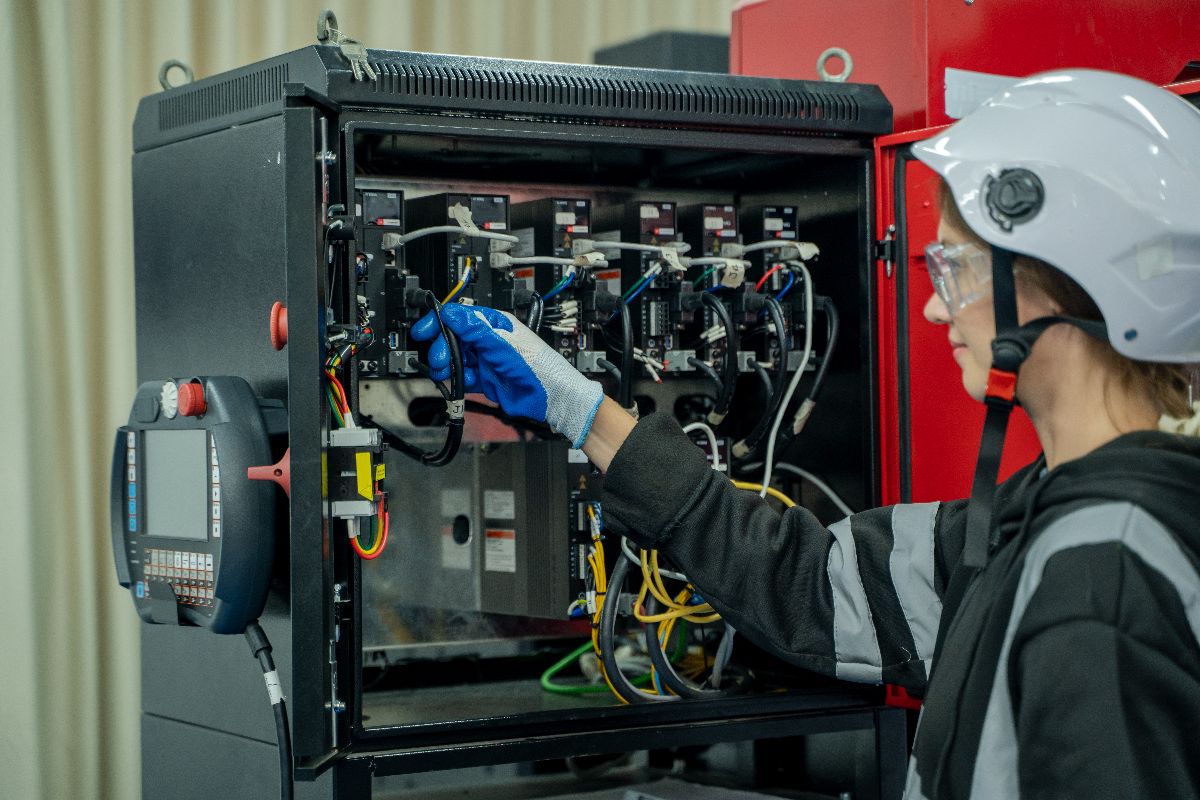
What are the roles of electromechanical systems in modern facility management?
- Improving operational efficiency
- Enhancing occupant comfort and health
- Strengthening safety and security
- Optimizing energy management and sustainability
- Enabling automation and system integration
- Supporting predictive maintenance
Overview
- Facility operations in the Philippines are often disrupted by equipment failures, rising energy demands, and unplanned downtime, primarily due to systems that lack effective monitoring and integration.
- Integrated electromechanical systems are crucial for modern facilities as they strengthen operational efficiency, occupant comfort/health, safety/security, energy management, and enable automation and predictive maintenance.
- Understanding the role of these integrated systems allows facility managers to ensure operations remain efficient, safe, and resilient against everyday operational demands and challenges.
Effective facility management goes beyond routine maintenance. It requires overseeing the interconnected systems that keep an entire operation running smoothly. This is where the role of electromechanical systems in modern facility management becomes essential, providing the backbone for safe, efficient, and reliable performance. These systems influence everything from environmental comfort to equipment uptime, directly affecting productivity and operational stability.
As facilities grow more complex, optimized coordination between electrical, mechanical, and HVAC systems becomes even more critical. Understanding how these elements work together enables smarter decisions that strengthen long-term sustainability and overall operational excellence.
Improving Operational Efficiency
Integrating electromechanical systems directly improves operational efficiency by automating routine tasks and linking building systems for consistent performance. Without these systems, facilities risk delays, inconsistent operation, and wasted energy, which can quietly erode productivity over time.
For example, automated HVAC systems can adjust temperature and ventilation based on occupancy, while lighting controls switch off in unoccupied areas. These automated functions reduce human error, free up facilities managers to focus on higher-value initiatives, and ensure operations remain smooth, energy-efficient, and predictable.
Enhancing Occupant Comfort and Health
Occupant comfort and health are critical drivers of productivity and satisfaction. Inconsistent temperature, poor air quality, or harsh lighting can create discomfort, reduce efficiency, and increase absenteeism, subtly affecting daily operations.
One of the key roles of electromechanical systems in modern facility management is to address these issues by precisely controlling environmental conditions. Advanced HVAC systems regulate temperature while filtering air to remove pollutants, and adaptive lighting adjusts brightness according to natural light levels. These measures stabilize working conditions, helping facilities maintain employee well-being while supporting consistent operational performance.
Strengthening Safety and Security
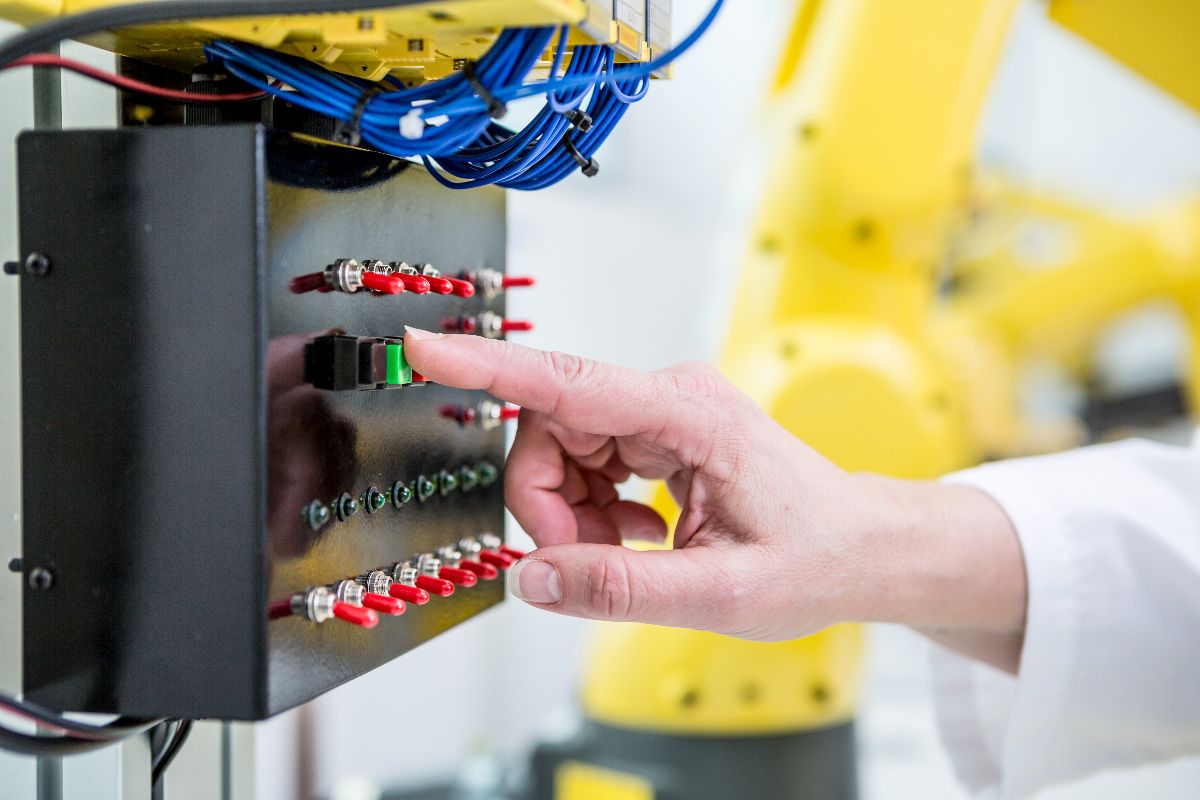
Proactive monitoring and integrated systems are essential for maintaining safety and security. Facilities without these systems risk delayed responses to hazards, unauthorized access, or environmental threats, which can quickly escalate into costly incidents or safety breaches.
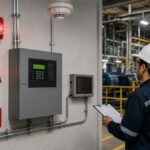
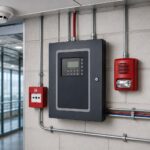
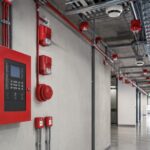
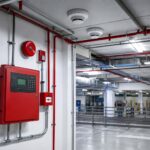
Electromechanical solutions enhance safety by combining access control, surveillance, alarms, and environmental sensors. Smoke detectors, carbon monoxide monitors, and automated alerts allow you to respond before issues become critical. By protecting both people and assets, these systems reduce liability while maintaining operational continuity.
Optimizing Energy Management and Sustainability
Effective energy management begins with real-time monitoring and control. Facilities without proper oversight may waste energy on unnecessary lighting, heating, or ventilation, while missing opportunities to integrate renewable sources or implement energy-saving strategies.
Electromechanical systems provide insights into energy consumption and usage patterns. Smart meters, automated controls, and integration with solar or other renewable energy sources allow you to adjust operations dynamically, reducing waste and cost. This approach supports sustainability initiatives while ensuring reliable facility performance under varying operational demands.
Enabling Automation and System Integration
Centralizing building systems allows facilities to respond quickly and operate more cohesively. Disconnected HVAC, lighting, security, and other systems create blind spots that slow response times and limit operational oversight.
Building Management Systems (BMS) connect electromechanical systems under one platform, enabling centralized monitoring, control, and automation. Integrated systems provide actionable data, improve responsiveness, and support smoother operations, which strengthens predictive maintenance, energy optimization, and overall operational agility.
Supporting Predictive Maintenance
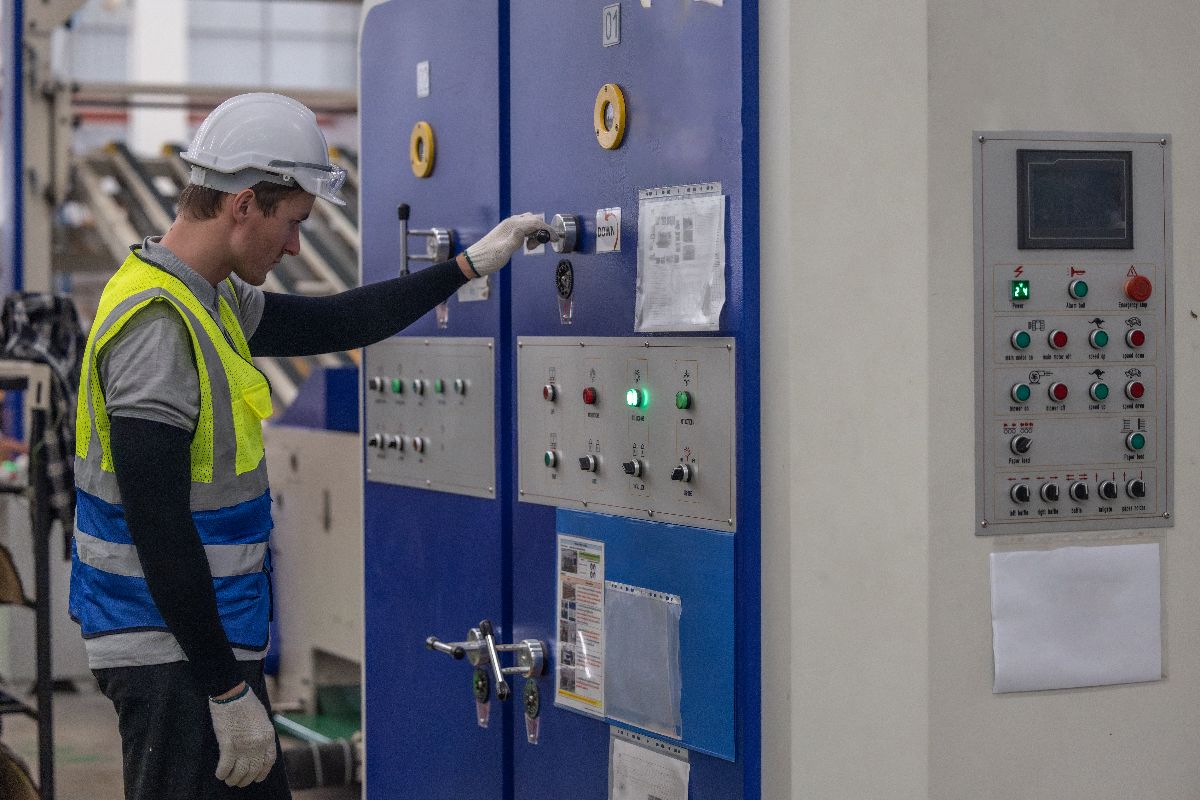
Predictive maintenance minimizes disruptions and protects equipment longevity. Facilities that rely on scheduled or reactive maintenance risk unexpected downtime, higher repair costs, and cascading operational problems.
Electromechanical systems equipped with sensors and IoT technology monitor equipment continuously, identifying potential issues early. By addressing problems proactively, you can extend equipment life, reduce downtime, and maintain reliable operations while improving cost efficiency and long-term facility resilience.
Why Facilities Struggle Without Integrated Systems
Facilities that lack integrated electromechanical systems often experience inefficiencies, rising costs, and repeated downtime. Without centralized monitoring and automation, management becomes reactive rather than proactive, making it difficult to maintain consistent performance.
These challenges can drive up energy bills, disrupt environmental conditions, and reduce occupant satisfaction, all of which affect productivity and safety. Integrating systems allows facilities to streamline operations, monitor performance in real time, and respond quickly to issues, creating a more reliable, efficient, and resilient environment.
Find the Right Systems for Your Facilities at Industrial PH
Selecting the right electromechanical systems is not just about choosing the latest technology—it’s about matching solutions to your facility’s unique operational needs. Facilities that implement inappropriate systems may face inefficiencies, underutilized equipment, or even safety gaps.
At Industrial PH, we guide you through this process with expert assessment and tailored recommendations. For instance, we recently helped a Manila-based commercial facility optimize its HVAC and lighting integration, reducing energy use while maintaining occupant comfort. Our team ensures that each system improves efficiency, safety, and sustainability, helping your facility operate reliably and cost-effectively.
Key Takeaway
With a better understanding of how electromechanical systems can help your facilities, you can ensure that operations remain efficient, safe, and resilient.
Optimize your building’s safety, efficiency, and performance with electromechanical solutions from Industrial PH. From reliable systems integration to responsive service support, our team helps you keep critical facility operations running smoothly. Contact us today to learn more!