What to Consider When Investing in a Foreign Object Detection System in the Philippines
 April 24, 2025

What do you need to consider when investing in a foreign object detection system in the Philippines?
- Regulatory compliance requirements
- Detection accuracy and sensitivity
- Integration with existing production lines
- System reliability and maintenance support
- Cost and return on investment (ROI)
Overview
- This article explores key factors to consider when choosing the right detection system, including regulatory compliance requirements, detection accuracy, system integration, reliability, and cost-effectiveness.
- Understanding these critical aspects, helps you make informed decisions that enhance production efficiency, minimize contamination risks, and maintain consumer trust.
- For companies looking for high-quality inspection solutions, Industrial PH provides advanced foreign object detection systems designed for accuracy, efficiency, and seamless integration into your production line.
A foreign object detection system is a critical component of a quality control system, designed to identify and remove contaminants such as metal, glass, plastic, and other unwanted materials from products before they reach consumers. This technology ensures that food, beverages, and pharmaceuticals meet strict safety and quality standards, protecting both consumers and brand reputations.
Given its vital role in maintaining product integrity, investing in a foreign object detection system in the Philippines requires careful evaluation. In this article, we will explore these key considerations to help businesses make an informed investment decision.
Regulatory Compliance Requirements
The Food Safety Act of 2013 (Republic Act No. 10611) establishes strict guidelines for food production, requiring businesses to implement hazard prevention measures, including foreign object detection. Agencies such as the Food and Drug Administration (FDA) Philippines and the Department of Agriculture (DA) oversee these regulations to ensure that food products are safe for consumption. Failing to meet these compliance requirements can lead to costly recalls, legal penalties, and reputational damage.
To comply with these regulations, businesses must invest in a reliable foreign object detection system that meets international safety standards like Hazard Analysis and Critical Control Points and ISO 22000. This includes selecting equipment with high detection accuracy, proper calibration, and thorough documentation for audits. Regular system maintenance, staff training, and routine compliance checks are also essential to ensure ongoing adherence to Philippine food safety laws.
Detection Accuracy and Sensitivity

A highly sensitive foreign object detection system is essential for ensuring product safety, especially in the beverage industry, where even the smallest contaminant can lead to costly recalls and reputational damage. As the exclusive distributor of HEUFT in the Philippines, Industrial PH offers the HEUFT SPECTRUM II—an advanced solution designed for precise, reliable in-line quality assurance.
With its universal control unit, the HEUFT SPECTRUM II integrates multiple inspection modules and allows seamless brand and format changes without manual adjustments. Its intuitive HMI and next-gen hardware enable real-time data transmission, accurate defect detection, and efficient rejection, helping manufacturers maintain high standards of safety and efficiency.
Integration with Existing Production Lines
Seamless integration with your existing production line is essential for maintaining efficiency and minimizing downtime. Incompatibility can lead to costly reconfigurations, operational delays, or bottlenecks—especially in fast-paced beverage environments where inspection systems must work in sync with conveyors, fillers, and cappers.
One solution offered by Industrial PH is the HEUFT TORNADO II dynamic, designed for easy integration into high-speed manufacturing lines. It features intuitive audiovisual HEUFT NaVi user guidance, hands-free voice control, and real-time connectivity for data acquisition and remote support. With the capability to process up to 1,000 containers per hour, it boosts operational reliability without interrupting production flow.
System Reliability and Maintenance Support
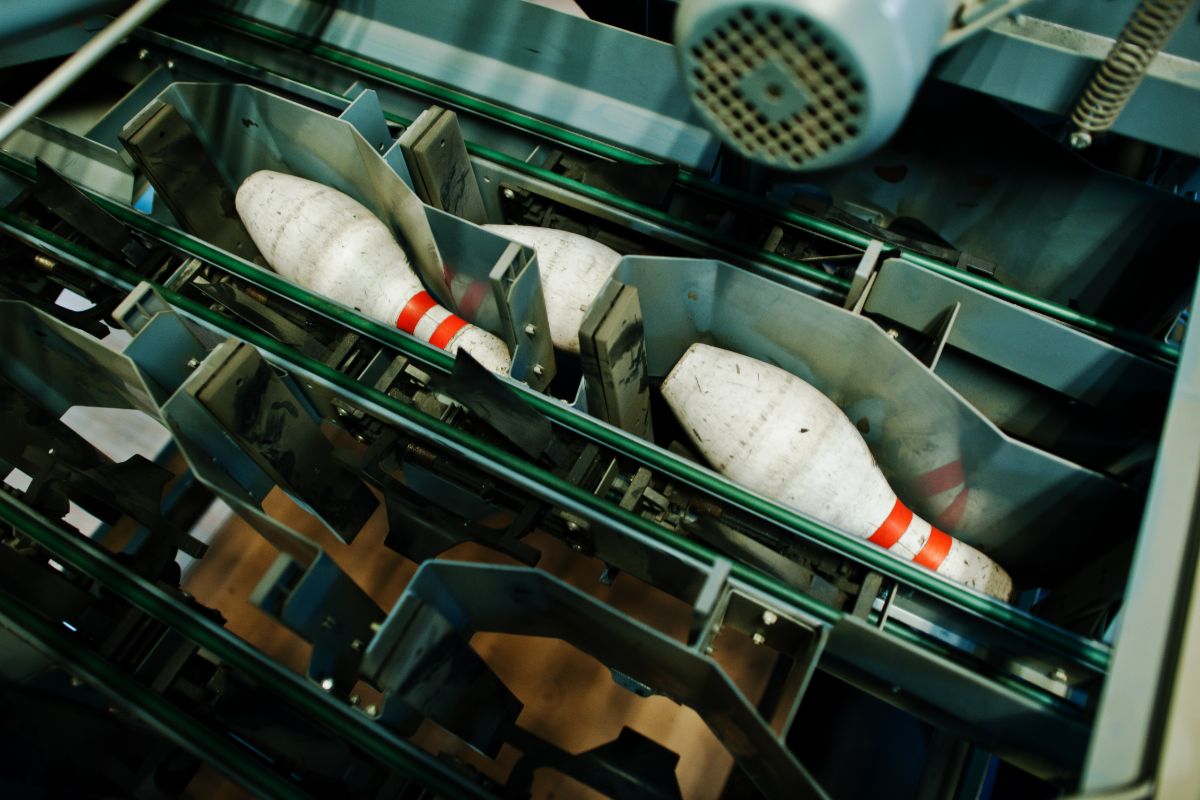
A reliable system ensures consistent performance, minimal downtime, and accurate inspections, which are essential for maintaining product quality and meeting production targets. If a detection system frequently malfunctions or provides inaccurate results, it can lead to production delays, increased waste, and potential safety risks.
A well-designed system should operate efficiently under demanding production conditions, ensuring that foreign objects are consistently detected and rejected without disrupting the workflow.
Maintenance does not necessarily mean frequent repairs but rather preventive measures and timely support to keep the system running at peak efficiency. Regular system checks, software updates, and proper operator training can help prevent unexpected failures and prolong the equipment’s lifespan.
Cost and Return On Investment (ROI)
Calculating ROI involves assessing the system’s ability to reduce defects, improve productivity, and lower manual inspection costs, ultimately leading to higher profits and sustained business growth.
While the initial cost of the system may seem high, it is crucial to evaluate how it will impact operational efficiency, product quality, and waste reduction over time. A high-quality system can prevent costly recalls, minimize production downtime, and enhance brand reputation by ensuring only safe and compliant products reach the market.
On the other hand, choosing a cheaper system does not always mean better value. A low-cost solution may lack the necessary sensitivity, reliability, or integration capabilities, leading to frequent errors, production slowdowns, or even regulatory non-compliance. Instead, focus on a system that balances cost-effectiveness with performance, durability, and long-term savings.
Key Takeaway
Investing in a foreign object detection system in the Philippines requires careful consideration of several factors, including regulatory compliance, detection accuracy, system integration, reliability, and cost-effectiveness. A well-integrated, high-performance detection system provides long-term value, reducing risks and improving overall production quality.
For a reliable quality control system that meets your industry’s needs, Industrial PH, in partnership with Heuft offers advanced solutions designed for efficiency and accuracy. Contact us today to find the right system for your operations and secure long-term success in the Philippine market.