How Important is Safe Wastewater Treatment
 February 17, 2024

Why safe wastewater treatment important?
- Public health protection
- Environmental Preservation
- Economic Benefits
- Resource Recovery
- Improved Living Standards
Overview
- Safe wastewater treatment is essential for protecting public health, preserving the environment, and improving living standards.
- Wastewater treatment is crucial for public health, environmental preservation, economic benefits, resource recovery, improved living standards, preventing diseases, and promoting sustainability.
- Industrial PH provides tailored solutions for wastewater challenges, ensuring sustainable and successful operations.
The human body consists predominantly of approximately 60% water. This highlights the critical significance of the water we consume, utilize in cooking, and employ for personal hygiene in maintaining our overall health. Thus, the importance of effective wastewater treatment cannot be emphasized enough, as it guarantees access to uncontaminated water, devoid of harmful impurities.
In this article, we will explore the factors why it is important to treat wastewater and how it safeguards not just our health but also impacts our environment and restores our ecosystem.
Public Health Protection

Without clean water, diarrhea, typhoid, hepatitis, cholera, and dysentery would run rampant, causing widespread illness and death. A study in 2017 revealed that in the Philippines, waterborne diseases from untreated domestic wastewater can account for about 20, 000 deaths a year.
Highlighting the importance of safe wastewater treatment, this crucial process acts as a barrier, filtering out pathogens and preventing their entry into the tap water we consume. By eliminating harmful bacteria, viruses, and parasites, wastewater treatment disrupts the transmission routes of these devastating diseases.
With 25 years of engineering experience, Industrial Ph by GRUPP Inc. has completed various water treatment projects. Whether it’s filtration, purification, disinfection, or reverse osmosis, we offer complete solutions customized to address your specific water treatment needs.
Environmental Preservation
While we may not often consider the fate of our wastewater, its management is crucial for both the environment and public health. Treating contaminated water not only safeguards us from waterborne illnesses but also shields the environment from unseen yet significant repercussions. These include the pollution of rivers, lakes, and oceans, leading to the creation of toxins that endanger aquatic life.
In the process of treating wastewater, it takes out nutrients such as nitrogen and phosphorus. Discharge of these nutrients can trigger excessive algal growth in waterways. These “blooms” deplete oxygen, suffocating fish and other aquatic life.
Efficient wastewater processing prevents environmental harm, preserves biodiversity, and safeguards water resources, reflecting responsibility for sustainability and future generations.
Economic Benefits
Wastewater treatment, often seen as a purely environmental and public health expense, actually offers surprising economic benefits that directly impact our society as a whole. The clean water attracts tourists and supports recreational activities like fishing, boating, and swimming. It keeps our waterways inviting and ensures the viability of these vital economic sectors, generating jobs and revenue for local communities.
Treated wastewater can also be a valuable source of irrigation water, particularly in regions facing water scarcity. This recycled water allows farmers to cultivate crops effectively, enhance food security, and potentially lower food prices. Safe wastewater treatment thus contributes to a more sustainable and resilient agricultural sector.
Resource Recovery
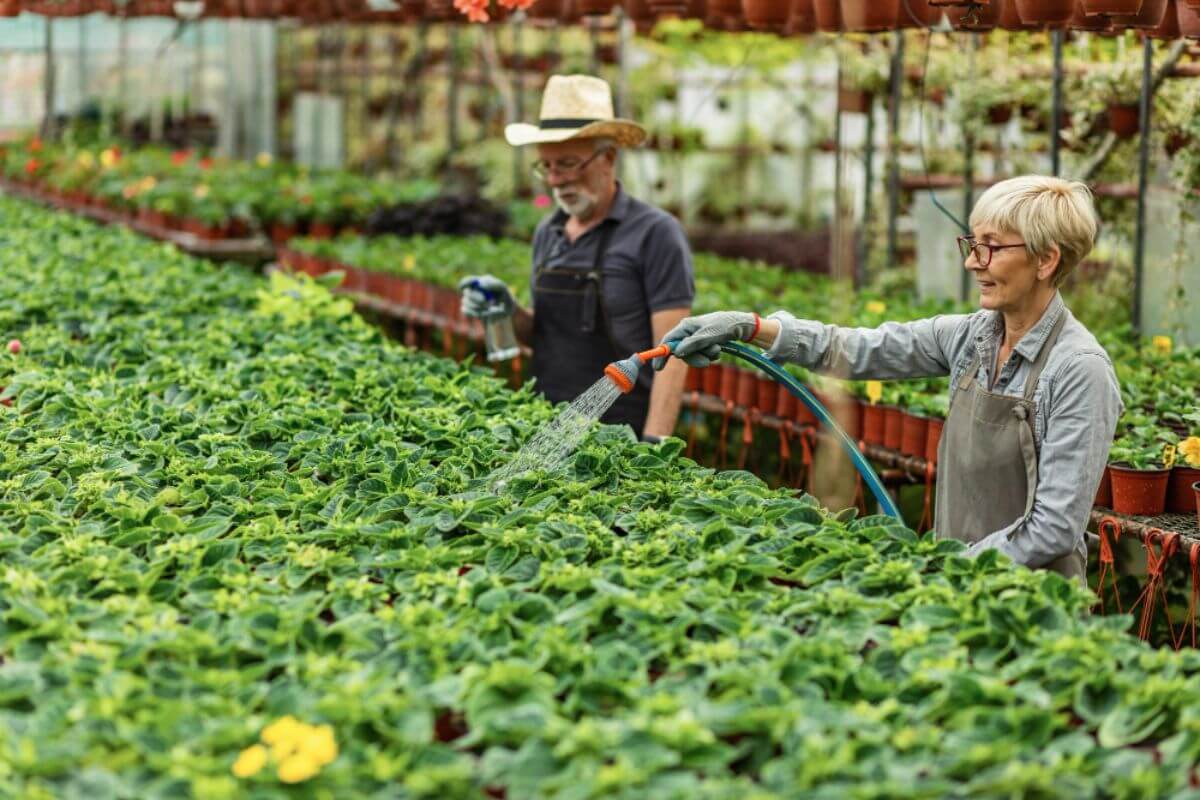
The most valuable resource recovered from wastewater is water itself. Through treatment processes, wastewater can be purified and reused for irrigation, industrial processes, or even non-potable purposes like toilet flushing. Reducing dependence on freshwater sources and promoting sustainable water management.
Certain treatment processes generate biogas, a renewable energy source derived from the breakdown of organic matter in wastewater. This biogas can be used to power treatment facilities, reducing their reliance on fossil fuels and contributing to greenhouse gas emission reduction.
Improved Living Standards
Wastewater treatment significantly enhances living standards by ensuring access to clean water, a fundamental necessity for health and hygiene. Consider a growing urban area where untreated wastewater flows directly into nearby water sources, contaminating drinking water supplies. Through effective treatment processes implemented in this scenario, harmful contaminants are removed, preventing the spread of waterborne diseases and safeguarding public health.
Clean water supports sanitation practices, reducing the risk of illness and promoting overall well-being. Moreover, treated wastewater can be recycled for various purposes, conserving valuable resources and reducing environmental impact. By providing safe and reliable water sources, wastewater treatment fosters healthier communities, enhances quality of life, and contributes to sustainable development, ultimately improving living standards for individuals and societies alike.
Key Takeaway
Clean water and sanitation, recognized as fundamental human rights, form the cornerstone on which healthy communities are established. Safe wastewater treatment might not be visible, but its impact on your health and well-being is undeniable.
Industrial PH, your trusted partner in Philippine industrial machinery solutions, understands your unique wastewater challenges. We design high-performing, compliant systems and provide ongoing support to keep your operations sustainable and successful.
Don’t let wastewater treatment slow your business down contact us today or visit our website to consult with our experts now.