Importance of Waste Water Treatment Facilities
 January 7, 2023
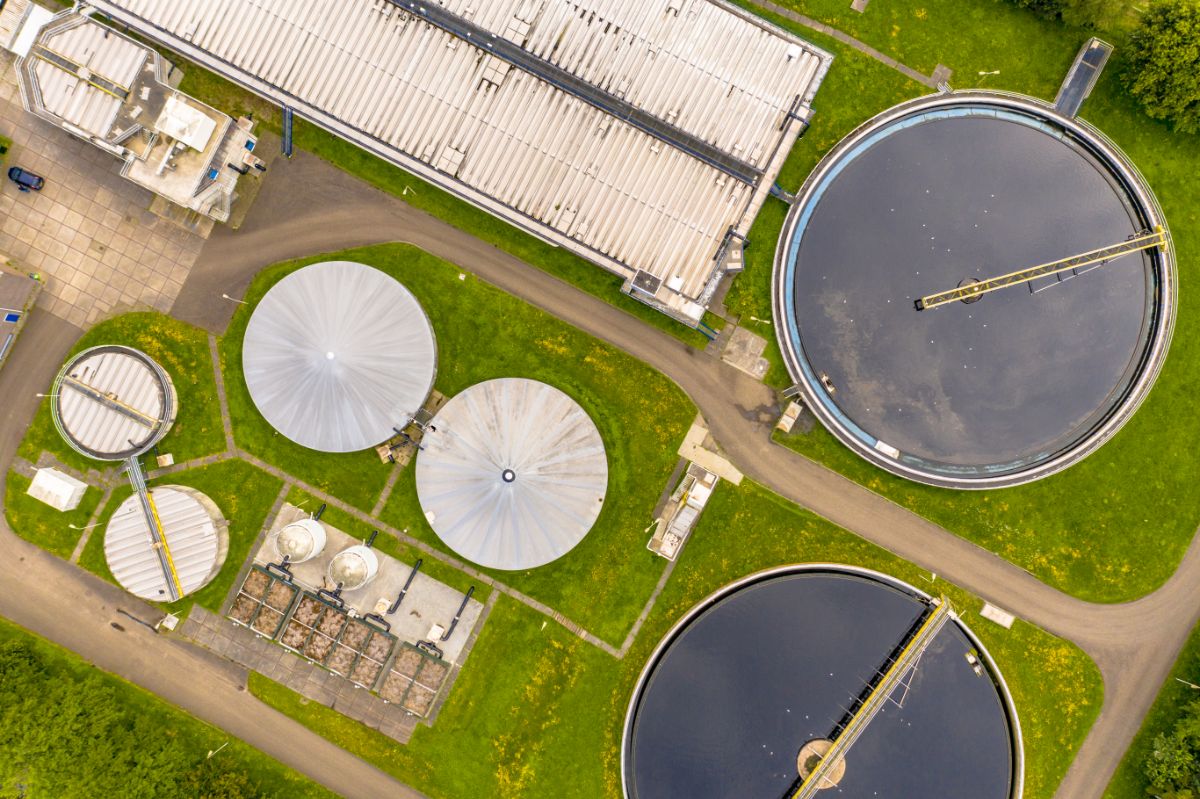
What is the importance of waste water treatment facilities?
- Preserves the Environment
- Helps Plants and Animals
- Protects Human Lives
The availability of fresh, clean water that we can use daily without fear of major health hazards is something that we often take for granted. However, the technology behind wastewater treatment is a remarkable achievement in sanitary engineering, born from various scientific advancements. The importance of waste water treatment facilities can’t be stressed enough. It is vital to appreciate their significance, not only to understand how they work but also to recognize their purpose. It is more than just about meeting government standards and regulations, but is about something greater and more vital.
Preserves the Environment
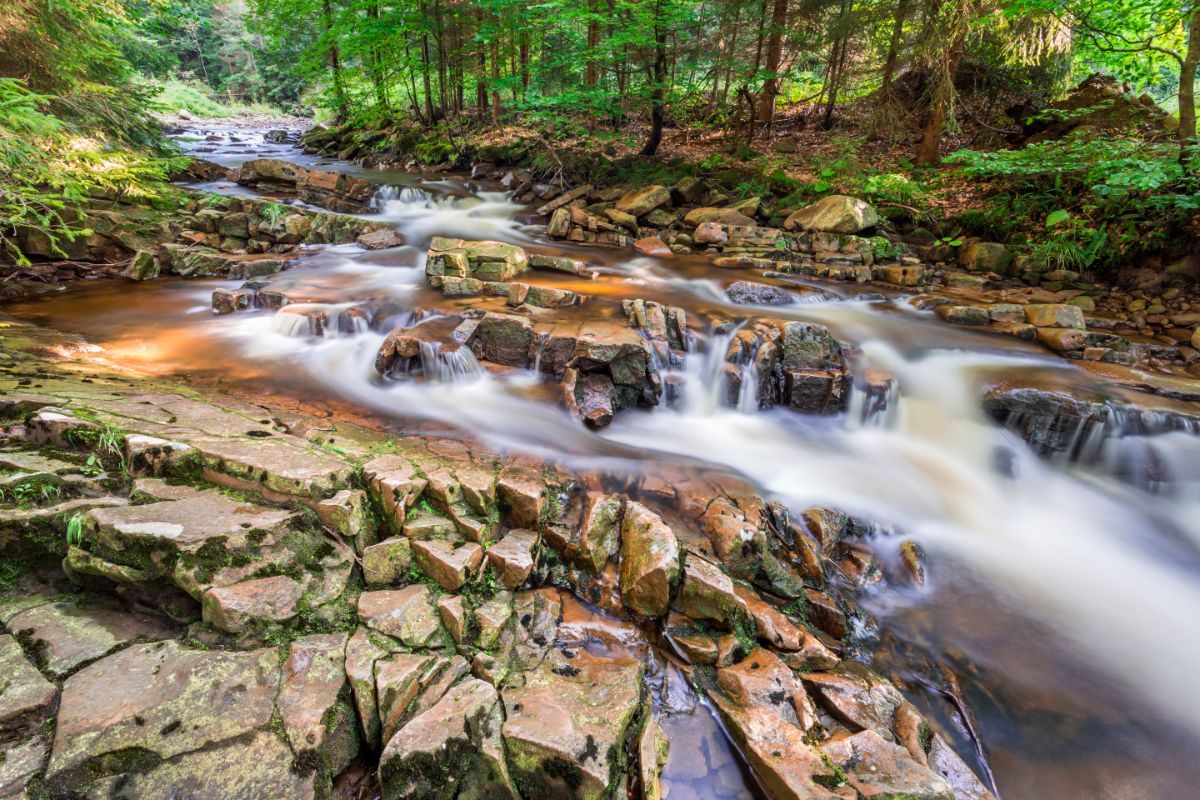
The Industrial Revolution of the 19th century brought about significant advancements in science and technology, revolutionizing the way of life for millions of people through automation and mass production. However, it also resulted in widespread water pollution, turning once-thriving rivers and lakes into toxic waste ways and pools. Europe, one of the first regions to experience the Industrial Revolution, saw the effects of water pollution the earliest. For example, the River Thames in London was declared biologically dead in 1957 and the River Seine in Paris followed in the next decade.
It wasn’t until the mid-20th century that industrialized countries like the United States began to take action to address this issue. In 1948, the first federal law on water quality was implemented to prevent American rivers from suffering the same fate as the Thames and Seine. Waste water treatment facilities have since improved with advancements in technology, greatly reducing the impact of pollution on rivers and lakes compared to the devastating effects seen in the past century and a half.
Helps Plants and Animals
The survival of plants and animals depends on their environment, including the water they consume. When a river is declared biologically dead, it means that the water has become so polluted that it can no longer support aquatic life due to a lack of oxygen.
Wastewater treatment facilities play a crucial role in preventing raw sewage and other contaminated water from entering bodies of water such as rivers, lakes, oceans, or underground aquifers, which can poison water and land, making it unsuitable for fishing or agriculture. These facilities ensure that wastewater goes through multiple treatment processes, making it safe to be returned to the environment or used for other purposes without causing any negative impacts.
Through these facilities, ecosystems are able to thrive and live with clean water surrounding them.
Protects Human Lives
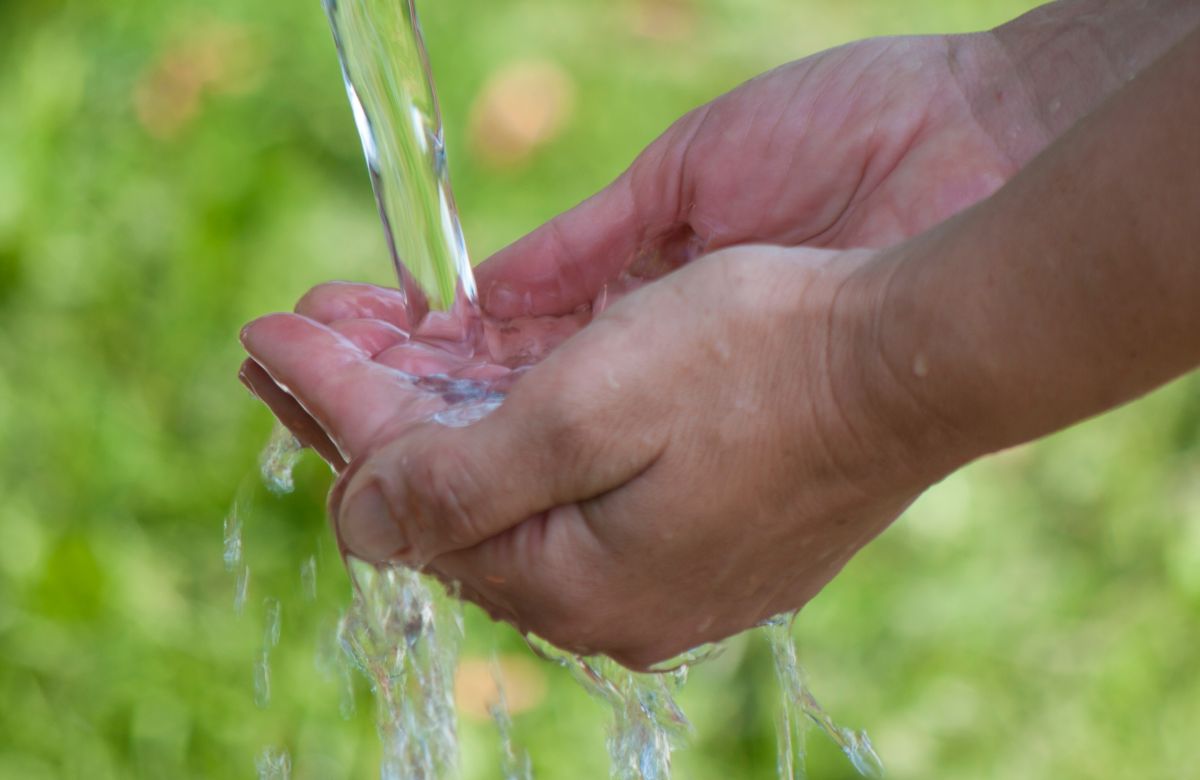
Waste water treatment facilities are not only important for protecting the environment and ecology but also for preserving human lives. The quality of our environment greatly impacts the quality of our lives, as demonstrated by the effects of contaminated water on human health.
A study by the United States Center for Disease Control and Prevention from 1900 to 1960 showed the effectiveness of waste water treatment in reducing the death rate of typhoid fever. The death rate of typhoid fever dropped from almost thirty deaths per 100,000 in 1900 to near zero in 1950 and total eradication in 1960, thanks to the addition of chlorination as part of the secondary treatment process of waste water. This highlights the importance of the water not only that we drink but also that is consumed by the food we eat such as fruits, vegetables, fish, and meat.
To prevent history from repeating itself, wastewater treatment facilities are developed worldwide. These have become a necessity to provide people with clean water for drinking, cleaning, and everyday life.
Key Takeaway
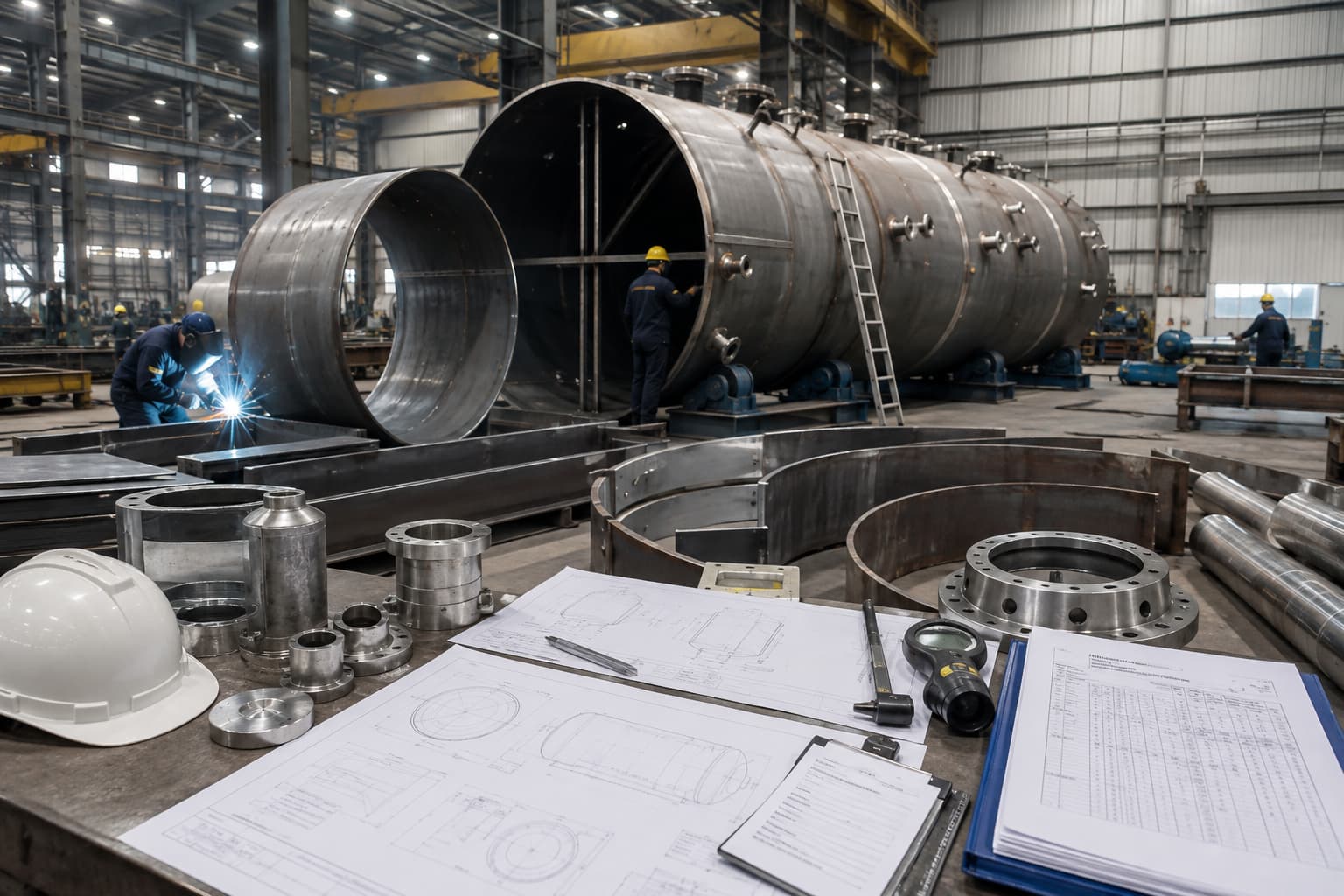
The importance of wastewater treatment facilities is not just related to maintaining the beauty of our environment, but it goes all the way to ensure the very survival of humanity as a whole. For this reason, wastewater treatment facilities must be the best possible in terms of quality. Every part and component must be perfectly made in order for the facility to operate effectively and efficiently.
Here at Industrial PH, we provide our clients with the best industrial machinery in the Philippines including wastewater facilities. With the help of our trusted engineers, we can provide your company with the equipment it needs. Don’t hesitate to contact us here today.