How Steel Tank Fabrication Supports Industrial Water Storage Needs
 July 10, 2026
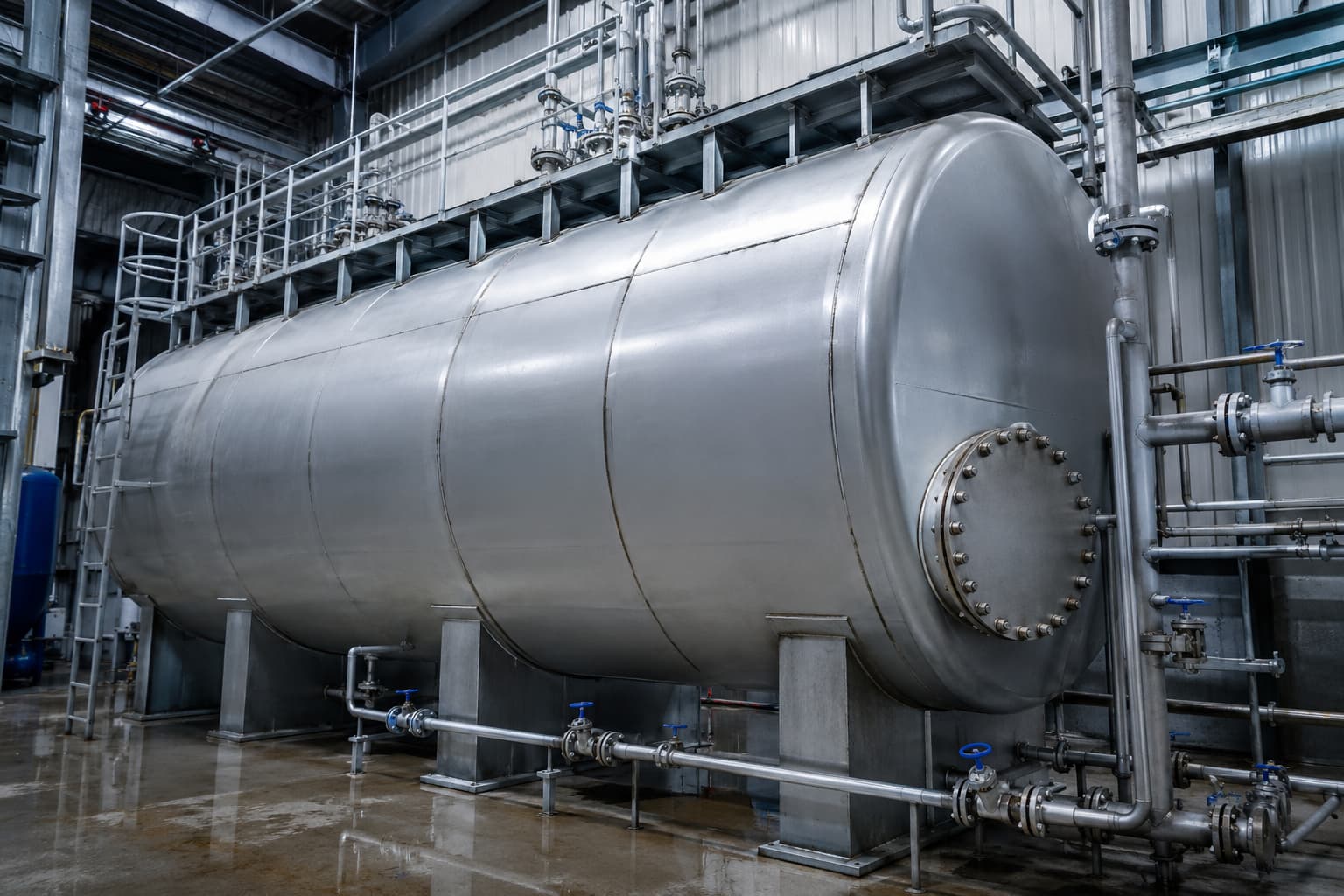
How does steel tank fabrication support industrial water storage needs?
- Capacity and Space Requirements
- Material Selection and Coatings for Durability
- System Integration for Operational Continuity
- Maintenance Access and Long-Term Performance
- QA/QC Documentation and Fabrication Control
Overview
- Industrial water storage needs depend on capacity, water chemistry, process demand, sanitation, inspection access, and installation constraints.
- Custom steel tanks help facilities avoid undersized capacity, poor fit, weak corrosion protection, and difficult maintenance access.
- For QA/QC supervisors, fabrication control provides clearer documentation for materials, welds, coatings, testing, and final acceptance.
Industrial water storage is not only about holding enough water onsite. In manufacturing, food and beverage, utilities, and process-driven facilities, water storage affects cleaning cycles, cooling support, production continuity, sanitation, emergency reserves, and maintenance planning.
This is where how steel tank fabrication supports industrial water storage needs becomes important. A custom-fabricated steel tank can be designed around the facility layout, required volume, water quality, connection points, inspection access, and expected service conditions instead of forcing the plant to adjust around a stock tank.
For facilities planning custom storage, Industrial PH steel tank fabrication services can help align tank dimensions, material selection, fittings, and project execution requirements with the way the facility actually operates.
Capacity and Space Requirements
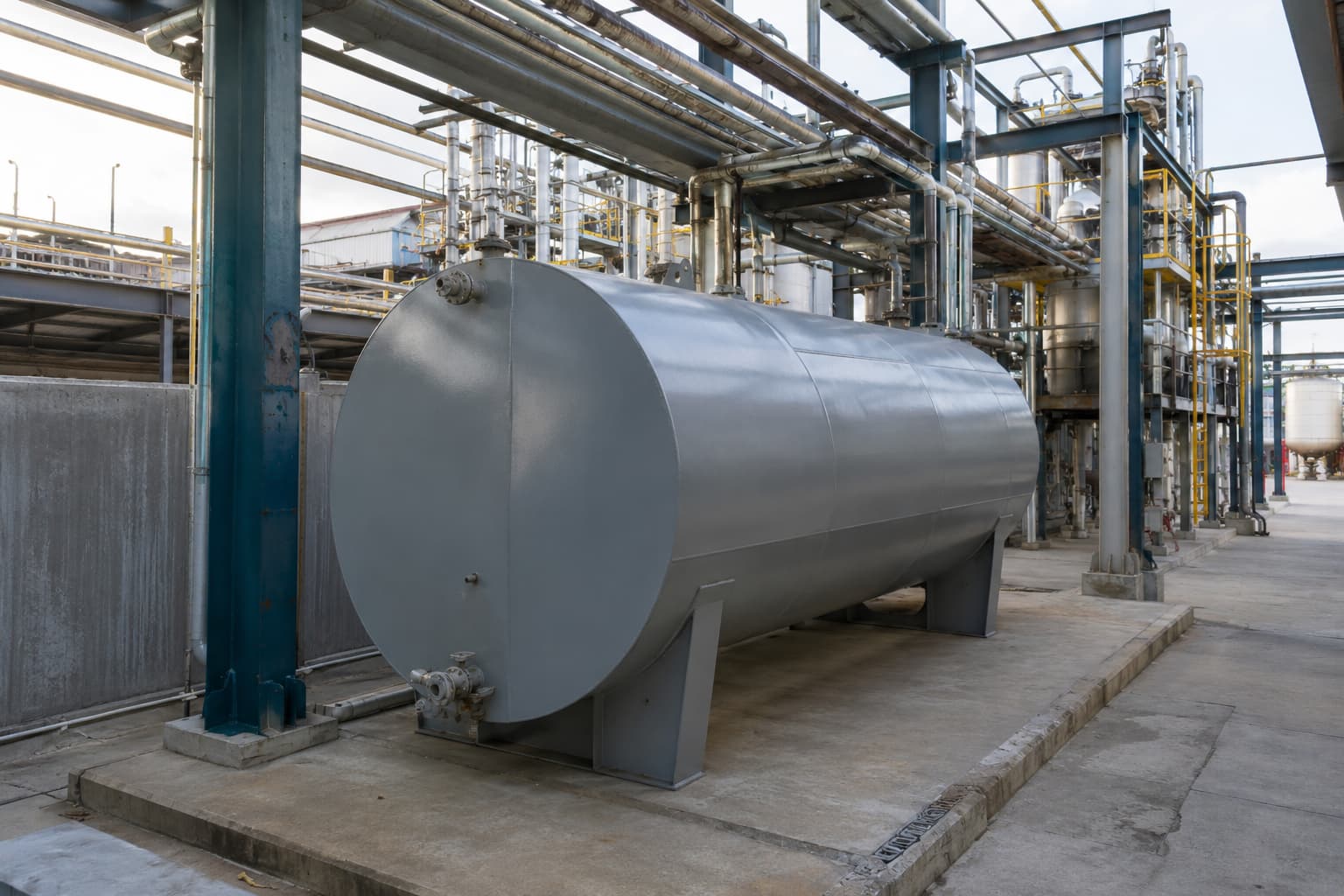
Custom steel tank fabrication helps facilities match storage capacity to real operational demand. Instead of selecting the nearest available stock size, the tank can be sized around daily water consumption, cleaning schedules, peak usage, process interruptions, refill timing, and reserve requirements.
This is especially useful in facilities where available space is limited. A tank may need to fit between pipe racks, under structural clearances, beside process equipment, or inside an area with restricted access for lifting and installation. Fabrication allows the tank geometry to respond to these constraints before site work begins.
Match Tank Capacity to Process Demand
QA/QC teams should check whether the proposed capacity reflects actual process demand instead of an approximate volume. A tank that is too small can cause supply interruptions, while an oversized tank can create unnecessary cost, footprint issues, and longer turnover or cleaning cycles.
Fit Tank Geometry to Actual Site Constraints
Horizontal tanks may suit low-clearance spaces, while vertical tanks can increase storage volume on a narrow footprint. For facilities with multiple water streams, a properly engineered multi-compartment design may reduce the number of separate vessels, pipe runs, and inspection points.
Understanding the steel tank fabrication process in the Philippines also helps facility teams see why layout review, drawings, cutting, welding, testing, and delivery planning should be coordinated early.
Material Selection and Coatings for Durability
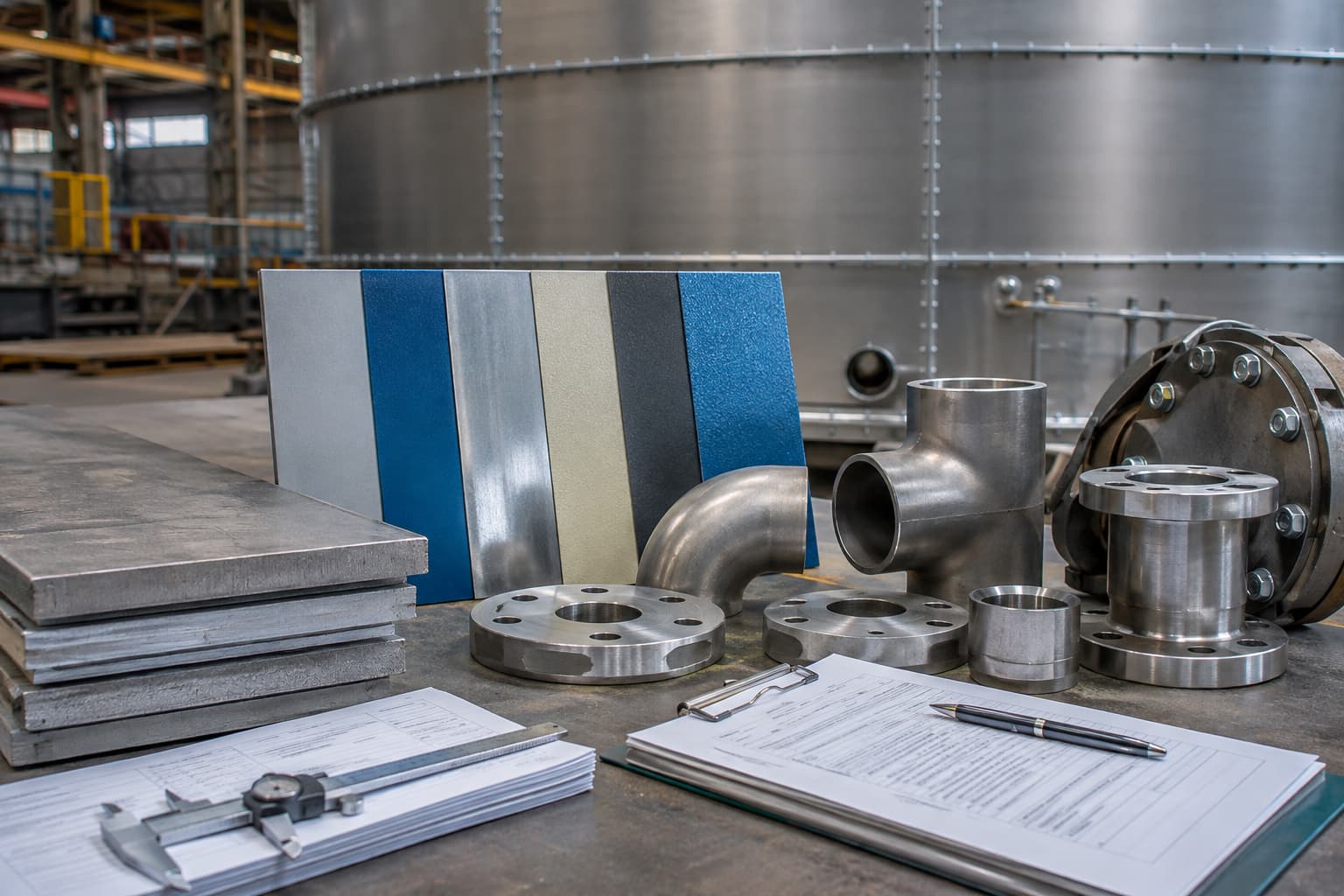
Steel tank durability depends on whether the selected material and protective system suit the stored water. Potable water, process water, softened water, chlorinated water, cooling water, and wastewater-related applications may expose the tank to different corrosion risks, temperatures, cleaning chemicals, or sanitation requirements.
Material selection should therefore be treated as an engineering and QA/QC decision. The selected steel grade, plate thickness, lining, coating, weld finish, and surface preparation should be documented clearly so the finished tank can be checked against the approved specification.
Align Steel Grade With Water Chemistry
A tank intended for general utility water may have different requirements from a tank used for potable water, process water, or chemically treated water. Reviewing water chemistry, sanitation needs, and exposure conditions before fabrication helps reduce premature corrosion, thinning, leakage, and coating failure.
Verify Coating Continuity Before Turnover
If coatings or linings are specified, QA/QC supervisors should verify surface preparation, coating thickness, cure condition, and continuity checks when applicable. These records help confirm that protective layers were not treated as an afterthought after welding and assembly were completed.
System Integration for Operational Continuity
A water storage tank does not operate in isolation. It connects to pumps, valves, process lines, drains, overflow points, sensors, controls, cleaning systems, and sometimes treatment equipment. Fabrication support helps place these connections where the facility needs them, reducing the risk of field modifications after delivery.
Coordinated industrial piping contractor support can also help align the tank with the surrounding utility or process system, especially when nozzle locations, pipe tie-ins, drain points, and access routes must be confirmed before installation.
Position Nozzles and Connections Before Fabrication
Nozzle orientation, manway placement, venting, overflow, drain location, level instrument ports, and CIP or cleaning access should be reviewed during the drawing stage. When these details are finalized before fabrication, the facility avoids unnecessary hot work, pipe rerouting, or delayed commissioning onsite.
Plan Installation Around Active Operations
Industrial facilities often need tank installation to happen around production schedules, site access limits, safety requirements, and utility shutdown windows. The same discipline used when reviewing machinery installation contract terms should also apply to steel tank delivery, erection, testing, and turnover scope.
Maintenance Access and Long-Term Performance
Long-term tank performance depends on whether the tank can be inspected, cleaned, drained, and maintained without creating unnecessary operational disruption. Fabrication details such as manways, inspection ports, ladders, platforms, internal access, flanged drains, and removable components can make routine maintenance safer and more predictable.
These details are especially important for QA/QC supervisors because they affect how easily the facility can verify internal condition, coating integrity, cleanliness, sediment buildup, weld condition, and drain performance over the life of the tank.
Simplify Inspection With Access Points
Access points should be large enough and positioned properly for the inspection method expected by the facility. A tank that is difficult to access may delay inspections, increase confined-space work, and make preventive maintenance harder to complete within scheduled windows.
Reduce Downtime With Practical Drain and Cleaning Details
Drain location, floor slope, internal finish, and cleanout access can affect how quickly the tank can be emptied, flushed, and returned to service. Practical fabrication details help maintenance teams complete routine work without turning a planned inspection into extended downtime.
QA/QC Documentation and Fabrication Control
Fabrication control gives QA/QC teams a clearer basis for accepting the finished tank. Instead of relying only on visual appearance, the project can be reviewed through approved drawings, material certificates, weld inspection records, dimensional checks, coating records, hydrostatic or leak testing results, and final turnover documents.
This documentation is one of the clearest examples of how steel tank fabrication supports industrial water storage needs. It turns tank quality into something that can be verified before the asset is placed into operation.
Use Hold Points to Catch Issues Early
Inspection hold points should be defined before fabrication starts. These may include incoming material inspection, fit-up inspection, weld inspection, coating inspection, dimensional verification, leak testing, and final release. Hold points help identify issues before they become expensive site problems.
Require Final Turnover Records
Final turnover should include the documents needed by procurement, engineering, QA/QC, maintenance, and operations. Complete records make future audits, repairs, modifications, and maintenance planning easier because the facility can trace what was built, tested, and accepted.
Key Takeaway
Custom-fabricated steel tanks support industrial water storage by matching capacity to actual demand, fitting the available site space, selecting materials suited to water chemistry, integrating with surrounding systems, and providing access for long-term inspection and maintenance.
For QA/QC supervisors, the main value is control. The tank can be reviewed through drawings, material records, weld checks, coating verification, testing reports, and final acceptance documents before it becomes part of daily operations.
Industrial PH supports Philippine industrial facilities with steel tank fabrication, installation coordination, and technical project support. Contact us today to discuss your facility requirements, water storage conditions, and next project steps.