Glycol Chiller: Types, Uses, Features and Benefits
 June 22, 2024

Overview
- Glycol chiller systems offer a reliable and versatile solution for industrial cooling needs.
- The article explores the two main types of glycol used (ethylene and propylene glycol), highlighting their advantages and disadvantages.
- The key features and benefits of glycol chillers include efficient heat transfer, durability, and reliable operation.
Glycol chiller systems are integral components in various industrial and commercial applications, offering precise and efficient temperature control. These specialized chillers utilize glycol, a type of antifreeze, to maintain consistent cooling.
This article highlights glycol chillers, such as their types, uses, features, and benefits. Understanding them is crucial to meeting your specific cooling needs, ensuring optimal performance and reliability. Read on to learn more.
What is a Glycol Chiller?
A glycol chiller is a specialized type of industrial chiller utilizing a chilled glycol-water mixture as a coolant. This solution offers an advantage over traditional water-based chillers. Using a specific ratio of glycol mixed with water, the solution can remain liquid at a much lower temperature.
Water’s freezing point is 32°F (0°C), which can pose a challenge in colder climates or situations requiring very low cooling temperatures. However, adding glycol significantly lowers the freezing point of the mixture. Depending on the glycol concentration, the freezing point can be reduced by as much as -60°F (-51°C), preventing pipes from freezing and ensuring uninterrupted operation. This makes it ideal for various applications, particularly in HVAC systems.
What are the Types of Glycol Chiller?
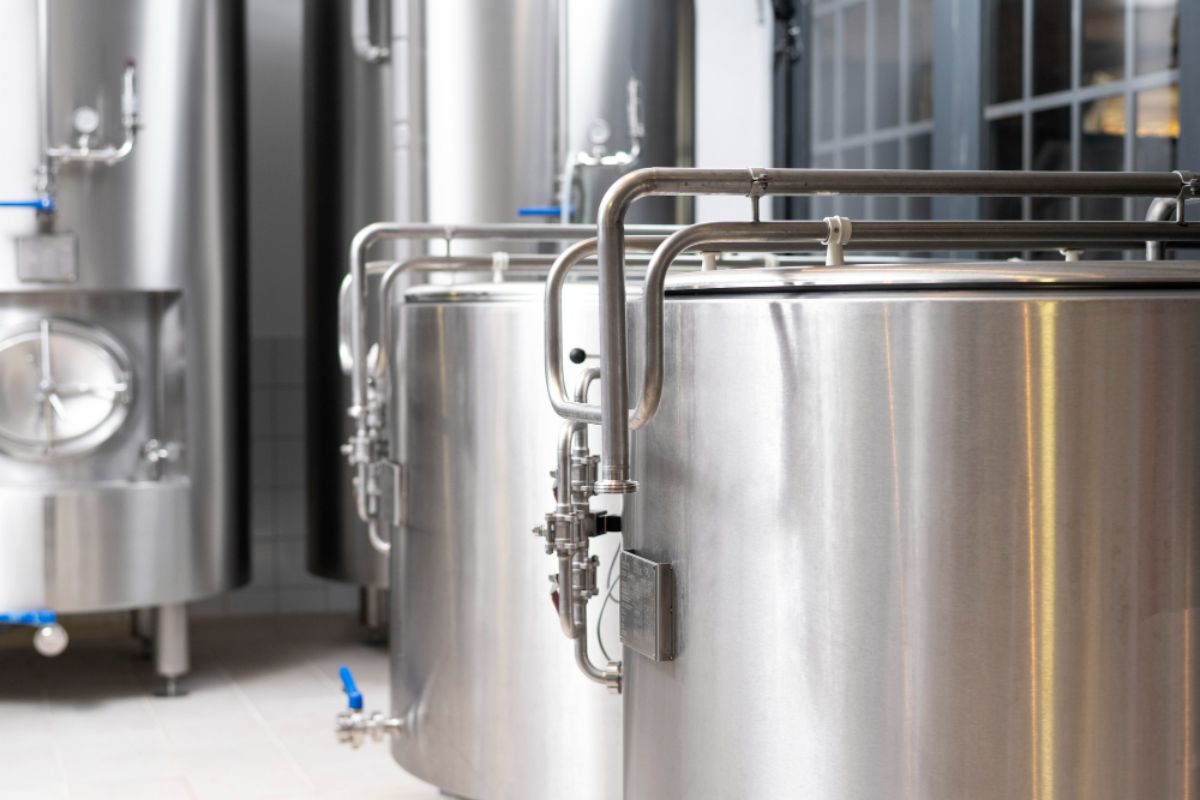
Glycol chillers offer a versatile and reliable solution for industrial cooling applications. Each offers distinct properties that influence their performance and suitability for specific applications.
Ethylene Glycol (EG)
Ethylene Glycol (EG) is an alcohol-based compound commonly used as an antifreeze solution in chiller systems. When mixed with water, it creates a coolant that remains liquid at a much lower temperature. This allows the chiller to operate efficiently in colder environments or when targeting very low process temperatures. While EG offers efficient heat transfer, it’s highly toxic and requires proper handling and disposal.
Propylene (PG) Glycol
Unlike the EG, Propylene Glycol is non-toxic, making it a safer choice for applications where there’s a risk of accidental contact or use in the food and beverage industry. However, it has a lower heat transfer efficiency and can be more viscous at colder temperatures, requiring stronger pumps for circulation.
Uses of Glycol Chillers
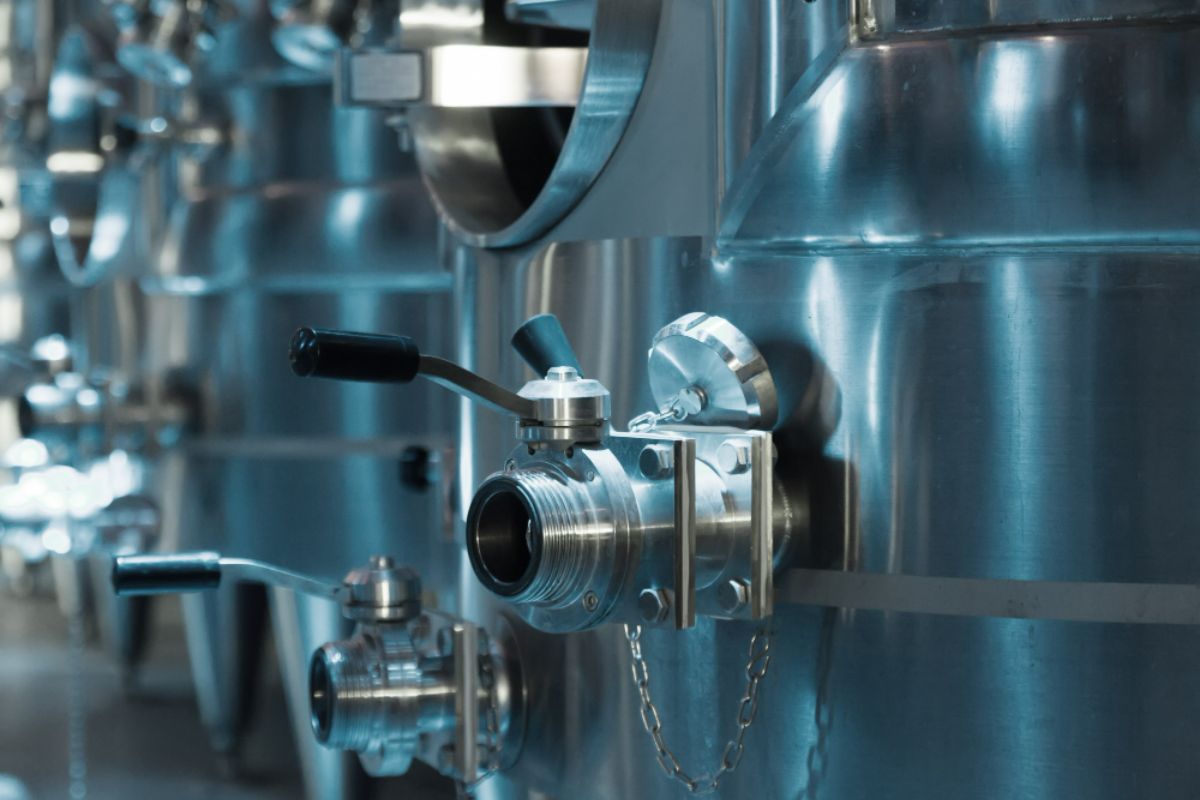
Glycol chillers find applications in various industries due to their ability to provide precise temperature control and operate at a lower temperature than traditional water-based chillers.
HVAC
While traditional water-based chillers are common in HVAC systems, glycol chillers offer several advantages. They can withstand a lower temperature, which makes them ideal for colder climates or applications requiring very cool air, like data centers with high heat generation from electronic equipment.
Food and Beverage
Maintaining a consistent and precise temperature is crucial throughout food and beverage production. Glycol chillers ensure optimal conditions for fermentation, brewing, and product storage, preventing spoilage and ensuring product quality.
Chemical and Pharmaceutical
Chemical and pharmaceutical manufacturing often requires precise temperature control for reactions, equipment cooling, and product storage. Glycol chillers offer the necessary flexibility and low-temperature capabilities for these critical processes.
What are the Features and Benefits of Glycol Chillers?
Glycol chiller capability unlocks several key features and benefits, making them a compelling choice for various industrial cooling applications.
Precise Temperature Control
One of the most significant benefits of glycol chillers is their ability to maintain consistent and accurate cooling temperatures. The mixture of glycol and water allows the chiller to achieve a temperature well below the freezing point of water, providing greater flexibility and control for various processes.
Efficient Cooling
Glycol chiller systems are designed for efficient heat transfer. The properties of glycol, combined with modern chiller technology, ensure effective heat removal from equipment or processes. This translates to better overall system performance and energy savings.
Durability and Reliability
Glycol chillers are built to withstand demanding industrial environments. They are constructed with robust materials and designed for continuous operation, minimizing downtime and maintenance needs. Additionally, their antifreeze properties protect the system from freezing damage.
Key Takeaway
For optimal performance and system longevity, partnering with an experienced HVAC contractor is highly recommended. They can assess your specific needs, recommend the most suitable glycol chiller system, ensure proper installation and configuration, and provide ongoing maintenance to maximize efficiency and minimize downtime. This ensures your chiller system operates at peak performance, delivering reliable cooling for your critical processes.
Partner with Industrial PH, a trusted HVAC contractor in the Philippines. Our team of experts offers comprehensive diagnosis, repairs, and maintenance services to keep your HVAC system running smoothly and efficiently. We are committed to exceeding your expectations and leaving your system in its best condition. Contact us today to discuss your specific needs and schedule a consultation.