6 Considerations in Making Your Building Fire Ready
 September 27, 2023

What are the considerations to make for a building to be fire-ready?
- Install fire detection and alarm systems
- Provide fire extinguishing equipment
- Develop emergency exit plans
- Create fire safety plans
- Implement security measures
Overview
- These systems are the foundation of fire readiness, with various types available, including addressable and wireless options. Regular maintenance and testing are vital to ensure their effectiveness. They trigger alarms, alert occupants, and notify first responders during a fire.
- This includes strategically placed fire extinguishers and automatic fire suppression systems like sprinklers. These tools help in quickly addressing and containing fires, reducing damage and risk.
- Comprehensive fire safety plans outline specific procedures and responsibilities during fire emergencies. Regular reviews and updates accommodate changes in building layout, occupancy, or regulations. These plans facilitate efficient responses to fires and enhance overall safety.
Securing the safety of a building and its occupants is a shared responsibility that spans property owners, managers, and residents. Among the many concerns, one stands out as an absolute priority: fire readiness. Fires can occur suddenly, posing severe risks to both lives and property. Therefore, it’s vital to take proactive steps to make your building fire-ready.
In this guide, we’ll explore how to make your building fire-ready from adopting cutting-edge detection systems to crafting effective emergency exit plans.
Install Fire Detection and Alarm Systems
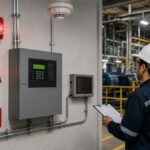
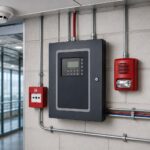
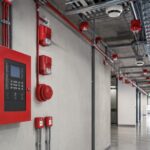
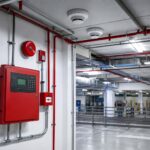
Installing robust fire detection and alarm systems is the foundation of building fire readiness. These systems act as vigilant sentinels, constantly monitoring for signs of fire. Modern systems come in various types, from conventional to addressable and even wireless options. Addressable systems, in particular, offer precise location information, enabling swift response during emergencies. Regular maintenance and testing are imperative to ensure these systems remain in optimal condition.
In case of fire, they trigger alarms, alert occupants, and notify first responders, crucial for timely evacuation and minimizing damage. Effective fire detection and alarm systems are a building’s first line of defense against the devastating effects of fires.
Provide Fire Extinguishing Equipment
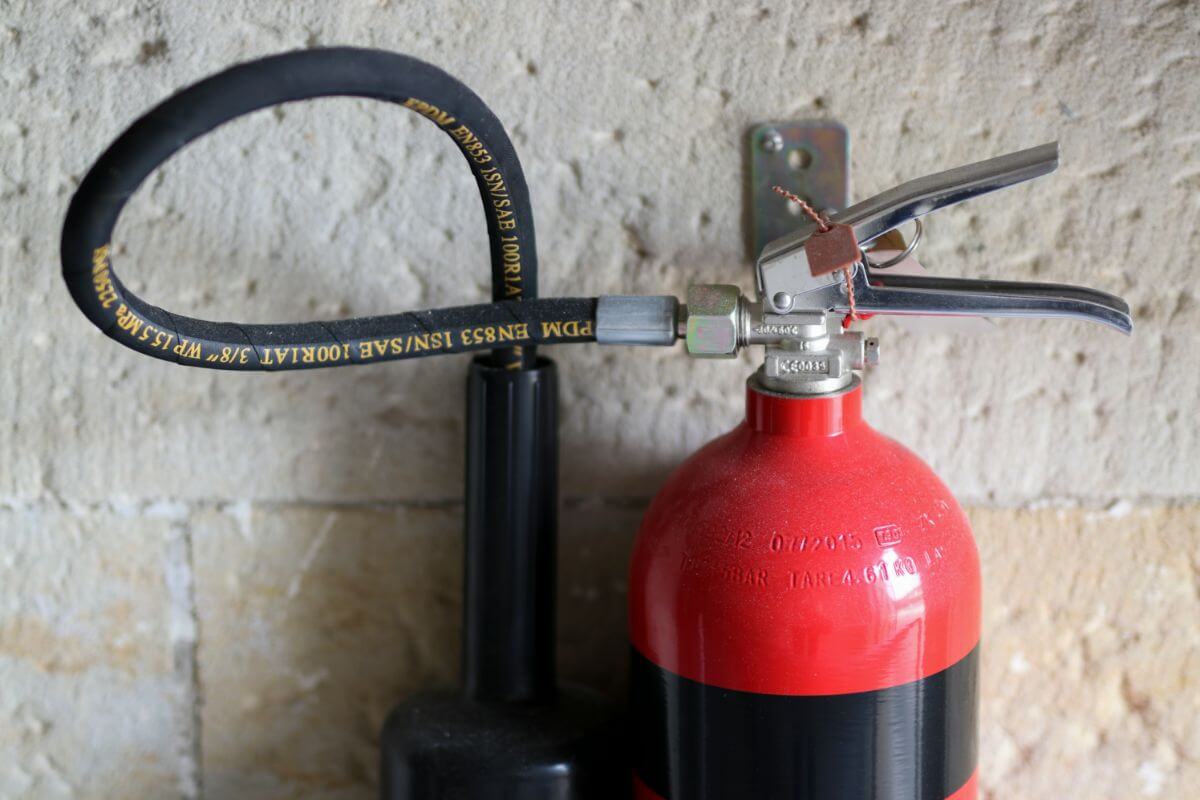
Providing fire extinguishing equipment is an integral part of a comprehensive fire safety strategy for any building. Fire extinguishers, strategically placed throughout the premises, can be invaluable for swiftly tackling small fires before they escalate. Different types of extinguishers are available, designed to combat various types of fires, from Class A (wood, paper) to Class K (cooking oils).
Aside from extinguishers, you should also consider installing automatic fire suppression systems, such as sprinklers, in areas prone to fire hazards. These systems can help contain and control fires until firefighters arrive, minimizing damage and risk.
Develop Emergency Exit Plans
Developing well-defined evacuation routes and exit plans is a foundational step in safeguarding building occupants during fire emergencies. These plans establish structured and organized methods for swiftly and safely vacating the premises.
Equally important is the need to keep exit paths clear and easily accessible; obstructions or blocked pathways can hinder evacuation efforts and exacerbate the situation. Providing accessible routes is also essential for the safety of all residents, so installation of ramps is a must. Regularly conducting evacuation drills involving all occupants is essential for ensuring that individuals are well-acquainted with designated escape routes and know how to respond calmly and cohesively during a crisis.
Create Fire Safety Plans

Creating a robust fire safety plan for the building is a proactive step that outlines specific procedures and responsibilities during fire emergencies. These plans clearly define the roles of both staff and occupants, ensuring everyone understands their duties and the actions to take in case of a fire. Regularly reviewing and updating the plan is crucial to accommodate changes in building layout, occupancy, or regulations.
These plans serve as essential resources for preparedness and coordination, facilitating efficient responses to fires and enhancing the overall safety of the building and its occupants.
Implement Security Measures
In conjunction with fire safety, enhancing security measures is pivotal to overall building safety. Security systems, such as access control and surveillance cameras, can aid in fire prevention by monitoring and restricting unauthorized access to critical areas. This not only deters potential arson but also ensures that only authorized personnel are near fire-sensitive equipment.
Well-implemented security measures contribute to the overall safety and integrity of the building. They serve as a complementary layer to fire readiness, safeguarding the property against both external threats and internal hazards. By integrating robust security measures, you bolster your building’s resilience and enhance its capacity to prevent and respond to fire emergencies effectively.
Key Takeaway
Whether it be a school, factory, or office space, it’s important to know how to make the building ready. This is a vital responsibility, involving careful planning and proactive measures. Prioritizing the five key considerations can greatly enhance safety and resilience.
Looking for a reliable fire alarm system provider in the Philippines? Your search ends here at Industrial PH! We specialize in cutting-edge fire alarms and tailored fire protection systems to safeguard your facility, assets, and people.
Prioritize safety – get in touch with us today to discuss your needs and experience top-notch fire protection from Industrial PH.