6 Essential Fire Protection Systems for Every Establishment
 October 6, 2023
What are essential fire protection systems for every establishment?
- Fire alarms
- Fire extinguishers
- Fire doors and fire-rated construction
- Fire suppression systems
- Fire alarm monitoring and notification
- Fire protection equipment maintenance
Overview
- This guide emphasizes the importance of fire protection systems in various establishments and explores the critical tools and components required for comprehensive fire safety.
- Fire Alarms consist of smoke detectors, heat detectors, pull stations, and alarm notification devices, detecting fires and alerting occupants.
- Fire doors and special materials stop fires and make escape easier with seals that expand when hot and fire resistance.
- Fire Suppression Systems are designed for specific fire risks, automatically releasing fire-suppressing agents as needed.
- Fire alarms send signals to monitoring centers, which notify responders, and notification systems inform building occupants in emergencies.
In an unpredictable world, where fire hazards can strike at any moment, having the finest and essential fire protection systems in place is not just a legal requirement but a moral responsibility. Whether it’s commercial buildings or residential complexes, property owners must prioritize fire protection.
In this guide, we dissect the requirements to ensure each establishment is prepared for any unexpected occurrence of fire emergencies. From cutting-edge technology to time-tested solutions, we explore the critical tools that can safeguard lives and property.
Fire Alarms
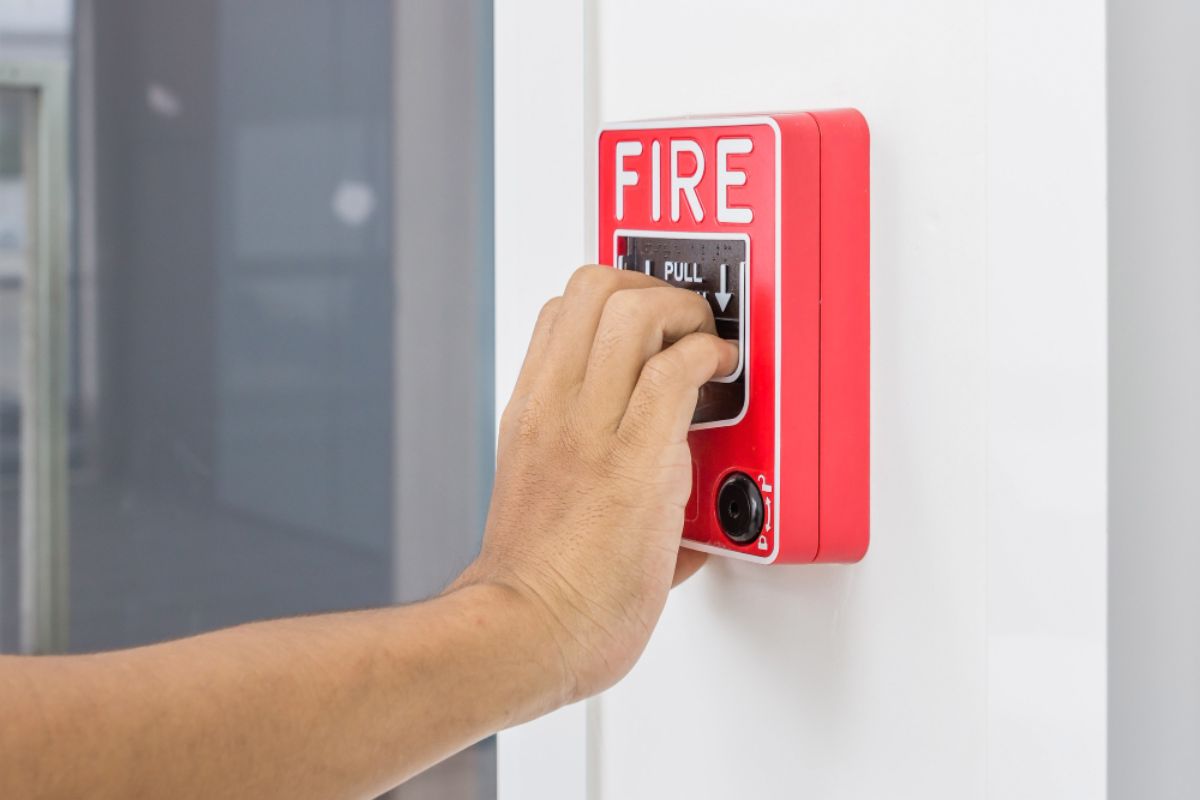
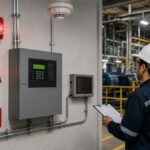
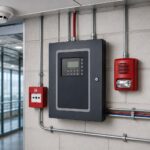
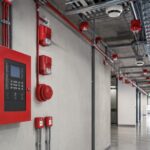
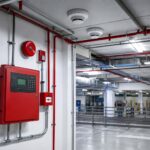
Fire alarm systems are a vital component of fire protection in buildings. These systems by Industrial PH consist of various elements, including smoke detectors, heat detectors, pull stations, and alarm notification devices.
- Smoke detectors are designed to sense the presence of smoke particles in the air, indicating a potential fire. They are particularly effective in detecting smoldering fires that may not produce visible flames but generate smoke.
- Heat detectors respond to elevated temperatures rather than smoke. They are commonly used in areas where smoke detectors may produce false alarms due to normal conditions (e.g., kitchens).
- Pull stations are manual devices that building occupants can activate to trigger the fire alarm system when they observe a fire or emergency situation.
- Alarm notification devices include horns, strobes, and speakers. Horns provide audible alarms, while strobes and speakers offer visual and voice notifications.
Fire Extinguishers
Portable fire extinguishers are an essential tool for fire suppression. Positioned strategically within buildings, near potential fire risks or exit paths, they serve as immediate tools for occupants to control small fires before they escalate. Adequate training in fire extinguisher usage is crucial for an effective fire response and overall safety.
Fire Doors and Fire-Rated Construction
Fire doors and fire-rated construction materials play a critical role in containing fires and providing safe escape routes.
Specifically designed, fire doors resist fire and smoke, forming a barrier when closed, preventing fire from spreading. Equipped with intumescent seals, they expand when heated, sealing gaps and blocking smoke. Fire-rated walls, floors, and ceilings use specialized materials to withstand fire for a defined time, delaying its advance and granting occupants more evacuation time.
Fire Suppression Systems

Fire suppression systems are specialized fire protection systems designed for use in areas with unique hazards, such as computer server rooms, industrial facilities, or locations containing valuable equipment.
These systems are distinct from traditional fire sprinklers and are tailored to address specific fire risks. One key feature of fire suppression systems is their automatic activation. When the system’s sensors detect a fire, it triggers the release of the appropriate fire-suppressing agent. The rapid response of these systems can help prevent the escalation of fires and minimize damage to critical assets.
Fire Alarm Monitoring and Notification
Fire alarm monitoring establishes a link between the fire alarm system and a remote monitoring center. When an alarm activates, the system transmits a signal to the monitoring center. Trained operators assess the situation and notify the appropriate emergency responders.
Notification systems, such as voice evacuation systems, are vital for conveying crucial information to building occupants during emergencies. They aid in preventing panic and ensure orderly evacuations.
Fire Protection Equipment Maintenance
Regular maintenance of fire protection equipment is crucial to ensure that these systems function correctly when needed. Maintenance activities include inspection, testing, and servicing of fire alarms, fire extinguishers, fire doors, suppression systems, and other fire protection components.
Inspections and tests are conducted to identify any issues, such as faulty equipment or system malfunctions, that may compromise the effectiveness of fire protection systems. Routine servicing involves repairs or replacements as necessary to maintain optimal functionality.
Key Takeaway
These six essential fire protection systems create a strong foundation for safeguarding lives and assets, including fire alarms and sprinklers. Prioritizing their implementation and maintenance builds a resilient, safe environment, reducing fire risk and ensuring occupant safety.
Industrial PH is the country’s top-grade manufacturer of top-tier fire protection and alarm systems tailored to meet the needs of diverse commercial and industrial sectors. If you want to provide the highest safeguarding and protection for you and your establishment, contact us now for inquiries!