Fire Detection vs. Fire Suppression: What is the Difference?
 October 4, 2023

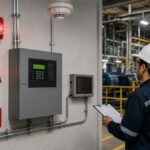
What is a Fire Detection System?

Fire detection systems serve as crucial components of fire safety infrastructure in various environments, from residential homes to industrial facilities.
Their core purpose revolves around the early identification of fires or the presence of smoke in their incipient stages. This swift detection is pivotal as it enables these systems to act as the first line of defense against potentially catastrophic fire incidents.
The Components
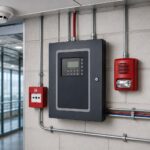
A comprehensive fire detection system comprises several critical components, including smoke detectors, heat detectors, flame detectors, and fire alarms, all working in tandem to provide early warnings of fire or smoke presence.
These devices diligently monitor the environment for fire or smoke. Upon detection, they promptly activate alarms, ensuring timely alerts for occupants and authorities, potentially saving lives.
How It Works
A fundamental aspect of fire detection systems is their ability to swiftly respond to the presence of smoke, heat, or flames by triggering alarms. These alarms, which may be audible, visual, or a combination of both, serve as critical early warnings, alerting occupants and relevant authorities to the potential danger.
It’s important to note that fire detection systems do not engage in active fire suppression or extinguishment; rather, their primary emphasis lies in rapidly notifying individuals and facilitating timely evacuations, ultimately enhancing life safety during fire incidents.
Applications
Fire detection systems find extensive use in various settings such as residential and commercial buildings, industrial facilities, and public spaces. They are strategically placed in areas where early warnings are crucial for occupant safety and preventing severe fire incidents.
In residential and commercial buildings, fire detection systems play a pivotal role in safeguarding the lives of residents, tenants, and visitors by promptly alerting them to the presence of fire or smoke. Industrial facilities rely on these systems to mitigate fire risks and protect both employees and valuable assets.
What is a Fire Suppression System?

Fire suppression systems represent a proactive approach to fire safety, distinct from the detection systems’ early warning functions. Their core objective is to tackle fires head-on by actively controlling and extinguishing them. These systems are engineered with a dual purpose in mind: containment and extinguishment. When a fire breaks out, the rapid suppression of flames and the limitation of its further spread become paramount.
The Components
Fire suppression systems comprise vital components designed for active fire control and extinguishment. These include strategically placed fire sprinklers that release extinguishing agents upon detecting high temperatures, handheld fire extinguishers, fire hoses, and specialized chemical agents. Together, they provide comprehensive fire defense, effectively combating flames and safeguarding lives and property.
How It Works
The operation of a fire suppression system hinges on its capacity to respond to a fire event swiftly. Upon activation, these systems promptly release the suitable fire-suppressing agent or a combination of agents, with fire sprinklers being a prime example.
When these sprinklers detect elevated temperatures resulting from a fire, they automatically disperse water or other designated extinguishing agents to contain and extinguish the flames. This rapid response mechanism is designed to mitigate the fire’s escalation, prevent its further spread, and minimize potential damage.
Applications
Fire suppression systems find extensive application in various environments, including buildings, industrial facilities, vehicles, and aircraft. These systems are strategically deployed in settings where the swift control and extinguishing of fires are of paramount importance to safeguarding lives, property, and critical assets.
In buildings, fire suppression systems provide crucial protection by swiftly responding to fire events, preventing the rapid spread of flames, and minimizing potential damage. Industrial settings rely on these systems to maintain operational safety and protect valuable equipment and materials.
Which Does My Company Need?
Choosing between fire detection vs fire suppression depends on factors like your company’s operations, specific fire risks, and regional regulations. In many cases, having both systems is advisable for comprehensive fire safety. Fire detection provides early warnings by identifying smoke, heat, or flames, allowing for timely evacuations and firefighting efforts.
On the other hand, fire suppression systems actively control and extinguish fires, preventing their escalation. These systems by Industrial PH cater to different fire risks, comply with regulations, protect property and assets, ensure life safety, provide redundancy, and create a comprehensive fire safety approach. Consulting a fire safety professional can help tailor your strategy to your company’s unique needs.
Key Takeaway
The main difference between fire detection vs fire suppression lies in their functions and operations. Fire detection systems detect the presence of fire or smoke and provide early warnings for evacuation and response.
Fire suppression systems, on the other hand, actively work to control and extinguish fires using various agents and methods. In many cases, both detection and suppression systems are used together to provide comprehensive fire safety measures in buildings and other environments.
Industrial PH is your engineering, manufacturing, and distribution solutions provider of precise security systems and safety solutions. Acquire our fire detection and suppression system for your company when you contact us now!