Why is Food Pasteurization Important?
 January 31, 2023

Why is food pasteurization important?
- Reduces the Risk of Foodborne Illnesses
- Increases Shelf Life of Food Products
- Enhances Food Safety
- Prevents Cross-Contamination
- Maintains Nutritional Value of Food
- Supports Sustainable Agriculture
- Meets Food Safety Regulations
Food pasteurization is a process that has been used for over a century to kill harmful bacteria and pathogens in food, thereby ensuring the safety of food for consumption. The process was first introduced by French microbiologist Louis Pasteur in the 1860s and has since become an integral part of food production. In this blog post, we will explore the reasons why food pasteurization is important and its significance in maintaining public health.
Reduces the Risk of Foodborne Illnesses
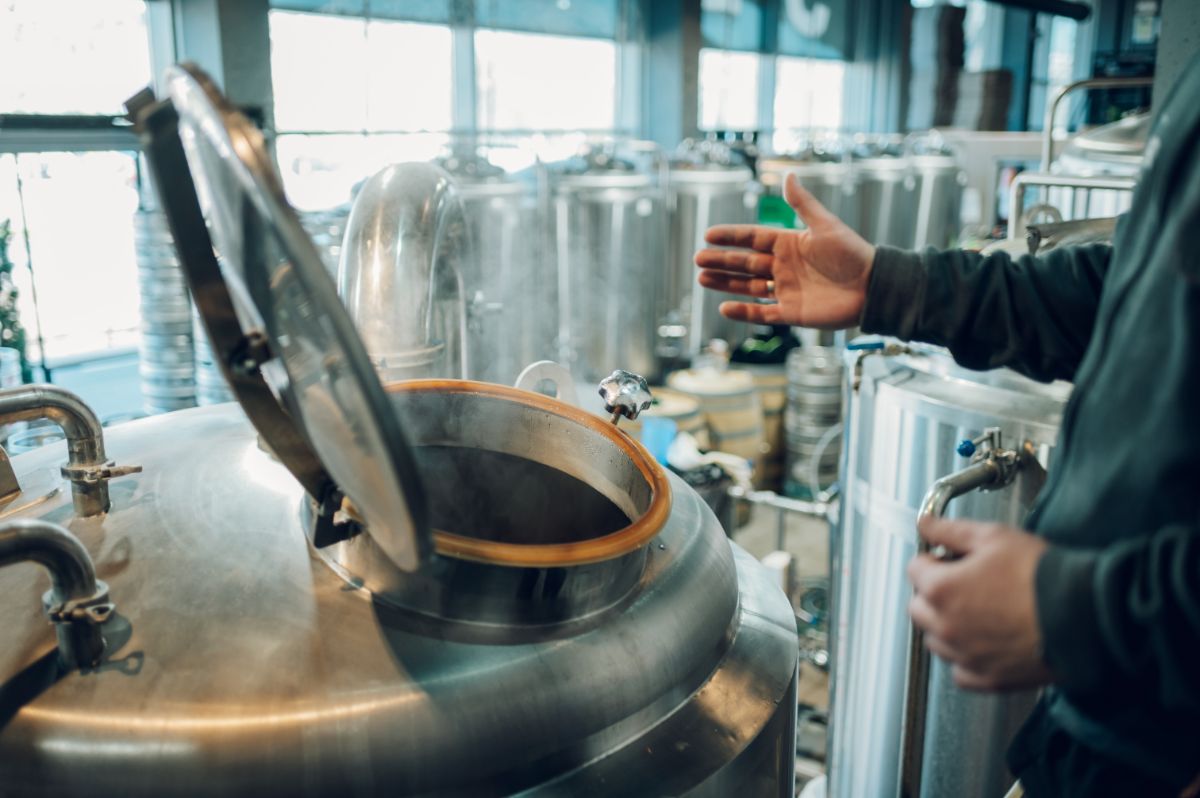
The primary reason why food pasteurization is important is to reduce the risk of foodborne illness. Every year, millions of people fall ill due to consuming contaminated food. Foodborne illnesses can be caused by a variety of pathogens, including bacteria, viruses, parasites, and fungi. These pathogens can cause serious health problems, including food poisoning, food allergies, and even death. By pasteurizing food, the risk of these pathogens contaminating the food is reduced, thereby reducing the risk of foodborne illness.
Increases Shelf Life of Food Products
Another benefit of food pasteurization is that it increases the shelf life of food products. Pasteurization helps to eliminate bacteria and other pathogens that cause spoilage, which in turn extends the shelf life of the food. This is especially important for perishable food items, such as dairy products and juices, as it allows them to be transported and stored for longer periods without spoiling.
Enhances Food Safety

Pasteurization is an important part of ensuring the safety of food. It helps to kill bacteria, viruses, and other pathogens that can cause foodborne illnesses, which in turn helps to reduce the risk of food contamination. This is especially important for individuals with weakened immune systems, such as the elderly, young children, and pregnant women, who are more susceptible to foodborne illnesses.
Prevents Cross-Contamination
Food pasteurization also helps to prevent cross-contamination, which is the transfer of harmful bacteria from one food item to another. This can occur during the preparation, storage, or cooking of food. By pasteurizing food, the risk of cross-contamination is reduced, which helps to maintain the safety of the food.
Maintains Nutritional Value of Food
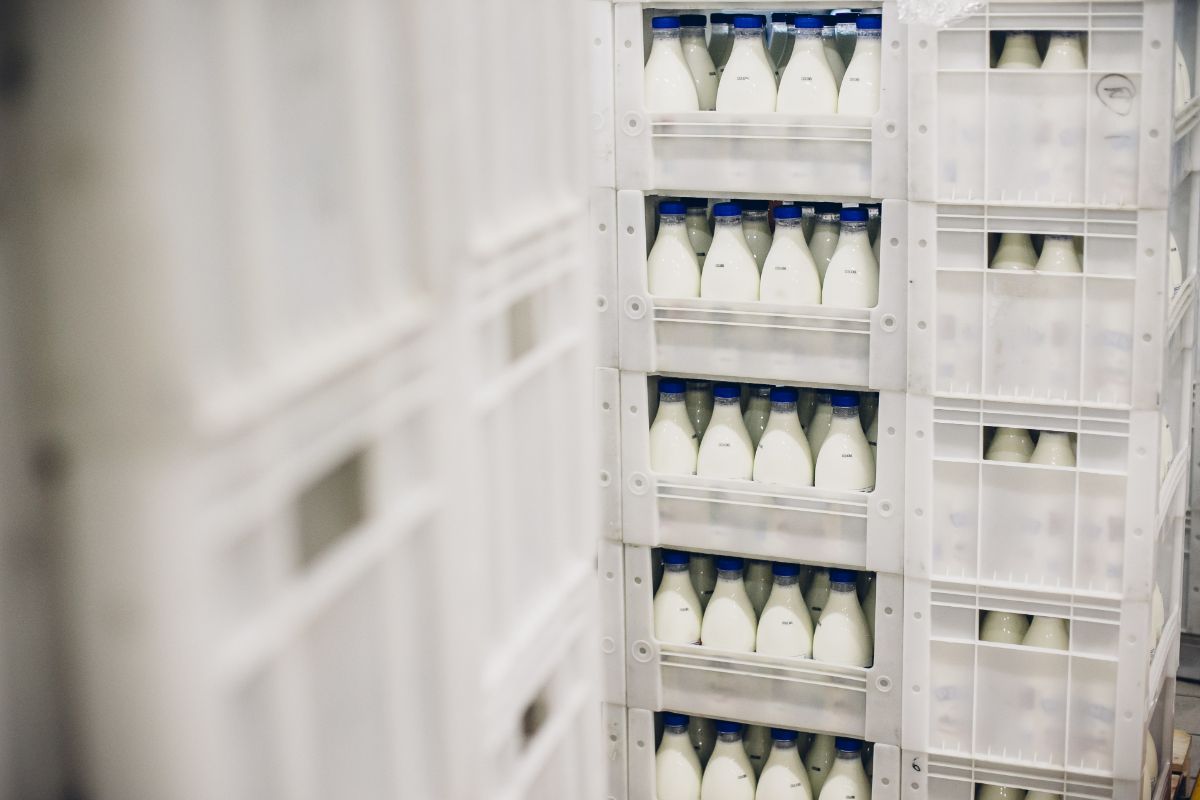
Food pasteurization is also important because it helps to maintain the nutritional value of food. The process does not significantly alter the nutritional content of the food, and in some cases, it can even help to enhance it. For example, the pasteurization of milk helps to increase the bioavailability of certain vitamins, such as vitamin B12.
Supports Sustainable Agriculture
Food pasteurization is also important for supporting sustainable agriculture. By pasteurizing food, the risk of food spoilage is reduced, which in turn helps to reduce food waste. This is important because food waste not only contributes to the depletion of natural resources but also contributes to greenhouse gas emissions and other environmental problems.
Meets Food Safety Regulations
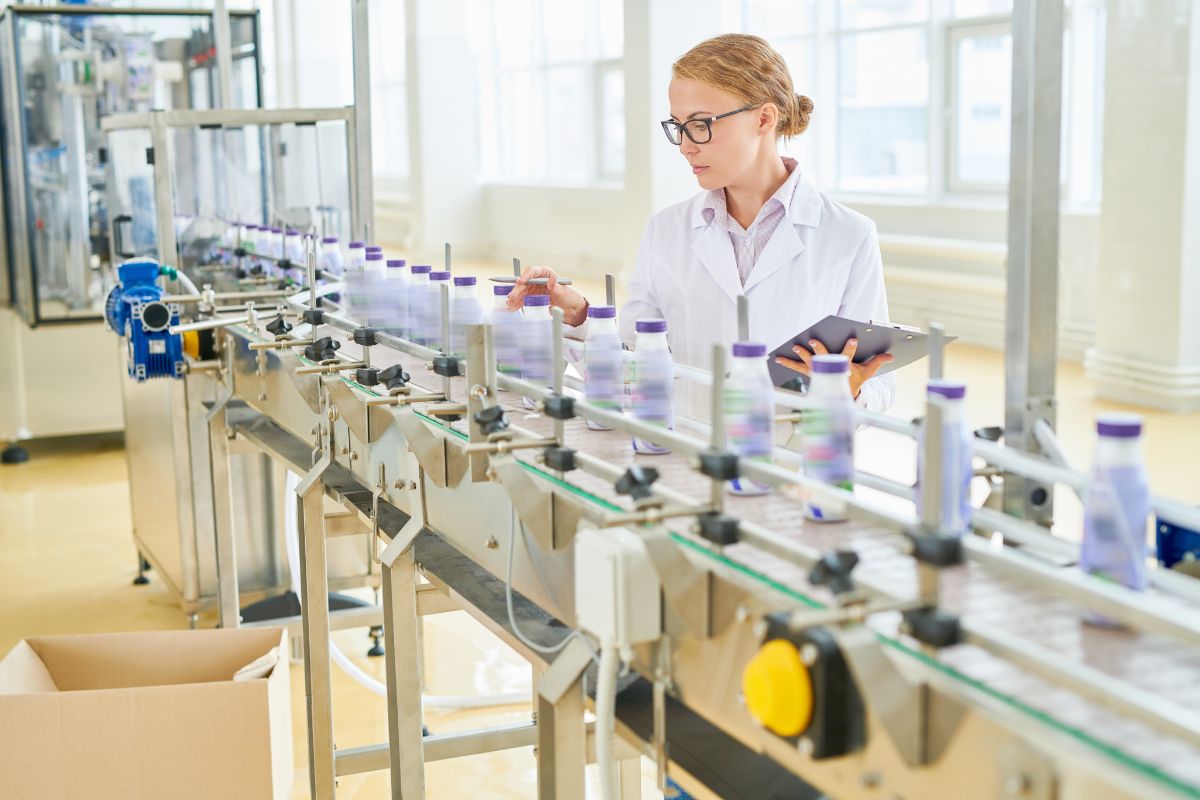
Finally, food pasteurization is important because it helps food producers to meet food safety regulations. In many countries, food producers are required by law to pasteurize certain food products, such as dairy and juice products, in order to ensure the safety of the food for consumption. This helps to protect public health and ensure that food products are safe for consumers.
Machines Used for Food Pasteurization
Food pasteurization is an important process that helps to ensure the safety and quality of food products. To pasteurize food, heat is applied to the product for a specific period of time to kill bacteria and other harmful microorganisms that may be present. There are several types of machines that are used for food pasteurization, including plate heat exchangers, tunnel pasteurizers, batch pasteurizers, UHT (Ultra-High Temperature) pasteurizers, and flash pasteurizers.
Each type of machine is designed for a specific type of food product and has its own advantages and disadvantages. For example, plate heat exchangers are commonly used for pasteurizing dairy products, juices, sauces, and other similar products, while tunnel pasteurizers are used for bottled or packaged food products. It is important to choose a machine that is designed to meet the specific needs of the food product and to meet food safety regulations.
Key Takeaway
In conclusion, food pasteurization is a critical process that helps to protect public health by reducing the risk of foodborne illness, increasing the shelf life of food products, enhancing food safety, preventing cross-contamination, maintaining the nutritional value of food, supporting sustainable agriculture, and meeting food safety regulations.
Here at Industrial PH, we provide our clients with high-quality food machinery including those used for Food Pasteurization. Contact us here today to get started!