Types of Food Processing
 January 26, 2023

What are the different types of food processing?
- Physical Processing
- Preservation Processing
- Fermentation Processing
- Thermal Processing
- Chemical Processing
Food processing is an essential aspect of the food industry that involves transforming raw ingredients into finished products. There are several different types of food processing and each of which serves a specific purpose and contributes to the production of safe and nutritious food.
The Importance of Food Processing

Food processing is an essential aspect of the food industry that plays a critical role in improving food safety, extending shelf life, enhancing nutritional value, improving taste and texture, creating new and innovative products, facilitating food distribution, and supporting the economy. By understanding the importance of food processing, consumers can make informed decisions about the food they choose to eat and appreciate the role that food processing plays in ensuring access to safe, nutritious, and delicious food.
Extending Shelf Life
Food processing helps to extend the shelf life of perishable products by preserving the quality and preventing spoilage. Techniques such as canning, freezing, and drying are used to preserve food and make it possible to enjoy fresh produce all year round.
Enhancing Nutritional Value
It also has the capability to enhance the nutritional profile of food by incorporating vital vitamins, minerals, and other necessary nutrients. One example is the enrichment of flour with iron and B vitamins and fortifying milk with calcium and vitamin D.
Physical Processing

Physical processing refers to the mechanical or physical treatment of food to prepare it for consumption. This type of food processing includes techniques such as grinding, chopping, blending, and mixing. Physical processing is used to break down food into smaller pieces, allowing for easier digestion and more efficient absorption of nutrients. It also helps to improve the texture, flavor, and appearance of food. Examples of physical processing include making juice from fruits and vegetables, grinding wheat to make flour, and blending ingredients to make a smoothie.
Preservation Processing
Preservation processing refers to the treatment of food to prevent spoilage and extend its shelf life. This type of food processing includes techniques such as canning, freezing, and drying. Preservation processing helps to prevent the growth of harmful microorganisms, such as bacteria, yeast, and mold, which can cause food to spoil and become unsafe for consumption. Preservation processing also helps to retain the flavor, texture, and nutrients of food, making it possible to enjoy seasonal produce all year round. Examples of preservation processing include canning tomatoes, freezing vegetables, and dry fruits.
Fermentation Processing
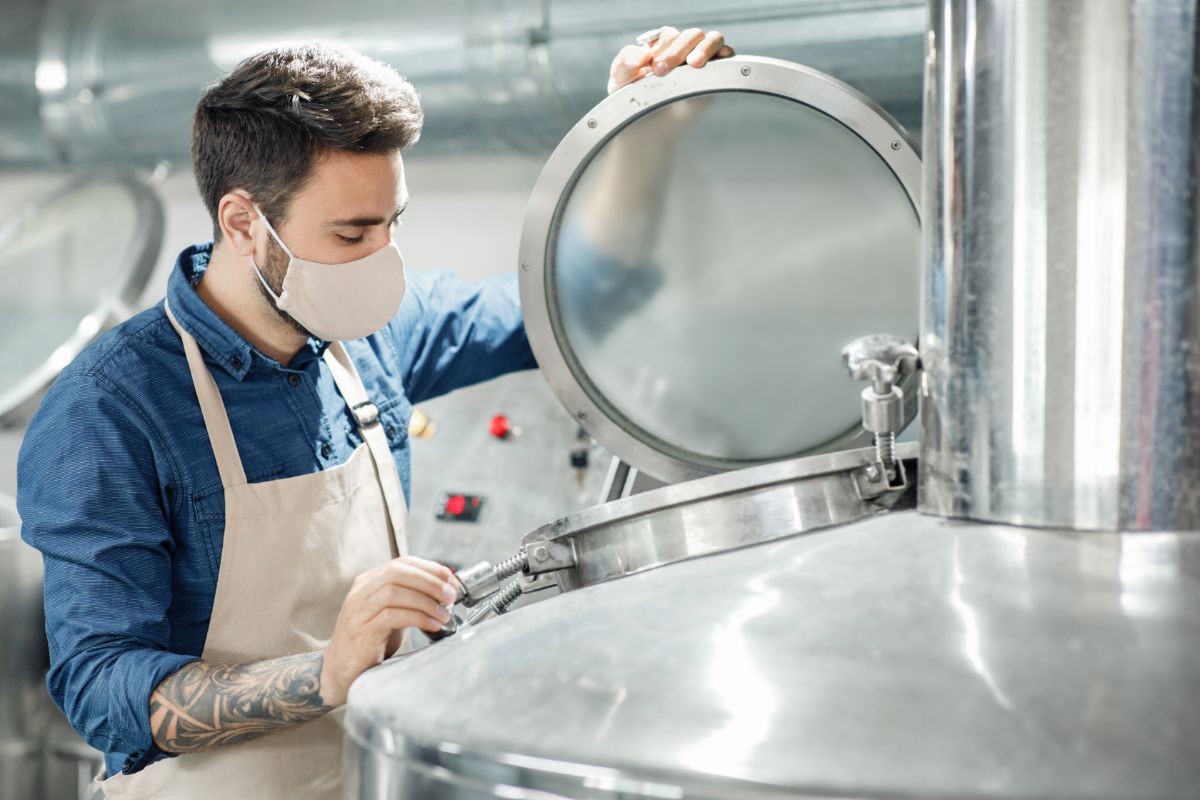
Fermentation processing is a type of food processing that involves the use of microorganisms, such as bacteria and yeast, to transform food. Fermentation processing is used to produce a variety of food and beverage products, such as bread, cheese, yogurt, beer, and wine. Fermentation processing helps to improve the flavor and nutritional value of food, as well as to increase the shelf life of perishable products. Examples of fermentation processing include the production of yogurt from milk and the fermentation of grape juice to make wine.
Thermal Processing
Thermal processing refers to the use of heat to preserve and transform food. This type of food processing includes techniques such as boiling, baking, roasting, and pasteurization. Thermal processing helps to kill harmful microorganisms, such as bacteria and viruses, and to inactivate enzymes that can cause spoilage. Thermal processing also helps to improve the texture, flavor, and appearance of food. Examples of thermal processing include boiling pasta, baking bread, and pasteurizing milk.
Chemical Processing
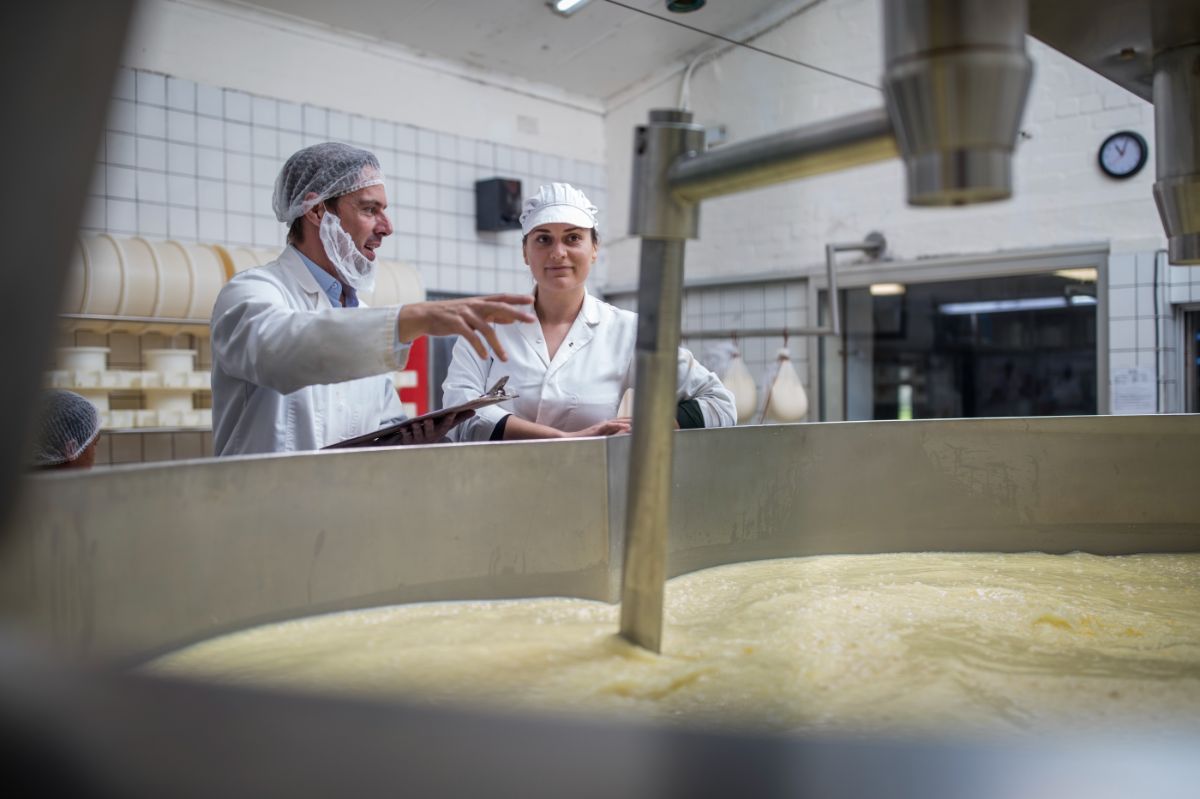
Chemical processing involves the use of chemical treatments to transform food. This type of food processing includes techniques such as fortification, enrichment, and the addition of preservatives. Chemical processing is used to improve the nutritional value of food, as well as to extend its shelf life. Examples of chemical processing include fortifying cereal with iron, enriching milk with vitamins and minerals, and adding preservatives to fruit juice to prevent spoilage.
Key Takeaway
Food processing is a complex and multi-faceted aspect of the food industry that plays a vital role in the production of safe, nutritious, and delicious food. There are different types of food processing, each of which serves a specific purpose and contributes to the transformation of raw ingredients into finished products. By understanding the different types of food processing, consumers can make informed decisions about the food they choose to eat and enjoy a variety of delicious and nutritious options.
Here at Industrial PH, we can help provide you with food and beverage solutions. Our team of certified engineers is here to help you from its design all the way to its installation. As the leading engineering solutions provider, you can expect only the best services from us. Don’t hesitate to contact us here today.