Common Uses of Steel Tanks
 January 15, 2023

What are the common uses of steel tanks?
- Transport and storage of natural gas
- Storing and transferring of chemicals
- Water and wastewater treatment
- Long-lasting containers
- Prevent contamination
- Fermentation and storing of foods
- Fire protection
Stainless tanks are found across various industries for the storage of all kinds of substances. Some of the common uses of steel tanks include holding food, beverages, dairy, medicine, cosmetics, chemicals, and gases. They are also used in industrial plants for chemical resistance.
This article goes in-depth on how steel tanks are used in different industries. Keep reading to learn more!
Transport and Storage of Natural Gas

Steel tanks are frequently used in the oil and gas industry to transport and store natural gas, refined goods, and crude oil. These tanks typically have a capacity of several thousand barrels and are massive, cylindrical buildings.
In oil-producing industries, these tanks are called storage tanks and are used to hold oil before it is delivered to tankers or pipelines. They are made to withstand the demanding circumstances seen in the oil and gas sector, including high pressures, corrosive environments, and extreme temperatures.
Storing and Transferring of Chemicals
Chemical handling and safety face considerable challenges due to the frequent use of chemicals throughout this industry. Chemicals can pose severe health and environmental risks if not stored and disposed of properly.
Steel tanks are a standard tool in the chemical industry for storing and transferring various chemicals. These tanks are made to withstand the harsh chemicals they are used to hold and to resist corrosion.
Water and Wastewater Treatment
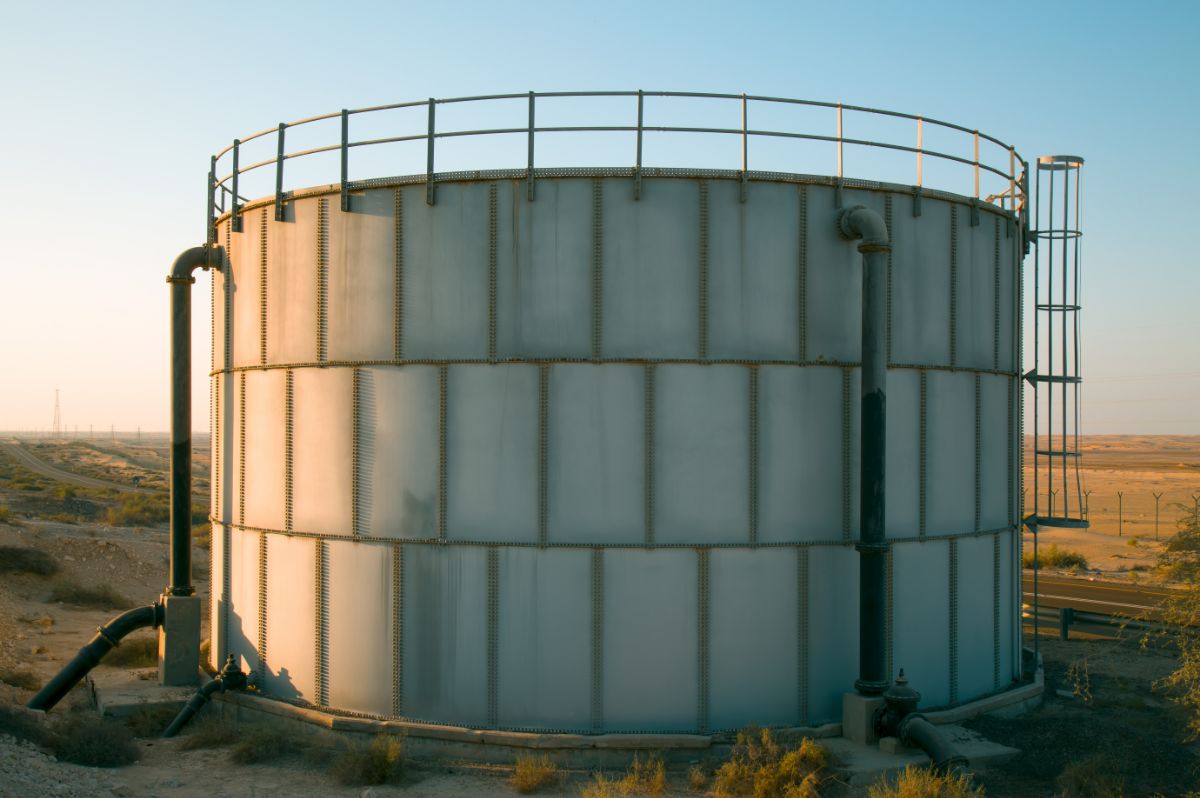
Water and other liquids are stored and transported in the steel tanks of water and wastewater treatment facilities.
Wastewater is among the most challenging liquids to store and treat in all its forms and sources. Strong waste streams frequently contain very corrosive elements, making all types of storage tanks challenging to use. Before being released into the environment, they are also used to hold and treat effluent. These tanks are made to endure the demanding circumstances of the water and wastewater treatment process and to be corrosion-resistant.
Long-lasting Containers
In the agricultural sector, steel tanks are used to transport and store liquids like fertilizer and water. They are also used to store supplies for livestock, such as grain, to protect their harvest from harsh weather, such as the intense dry or cold season.
These tanks are meant to be solid and long-lasting and are often composed of galvanized steel. The stainless steel’s seismic anchoring and natural components make this tank perfect for earthquake-prone areas, so durability is assured.
Prevent Contamination
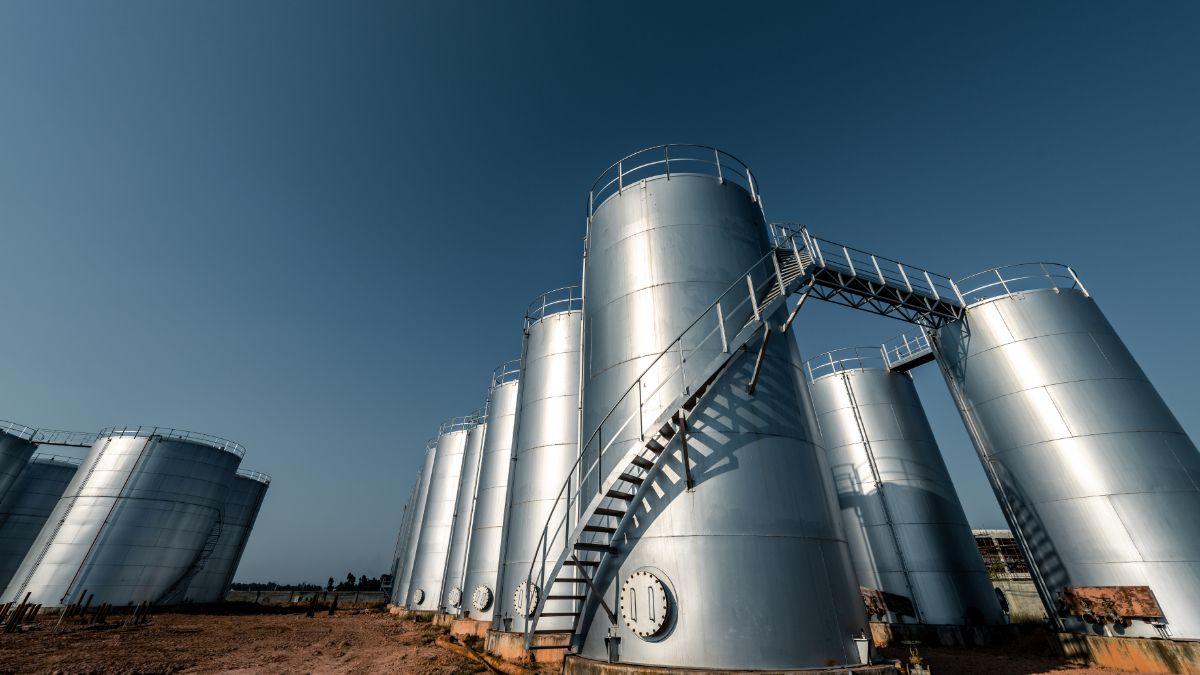
To adhere to hygiene standards, stainless steel tanks and equipment are used in hospitals, kitchens, food processing facilities, and vineyards. A range of chemicals and biological materials are stored and transported in steel tanks in the pharmaceutical and biotechnology sectors. To prevent contamination of the items held inside, they are often composed of stainless steel. These tanks are made to endure the pharmaceutical and biotechnology industries’ abrasive environments and be corrosion-resistant.
Fermentation and Storing of Foods
Liquids, including milk, juice, and wine, are stored and transported using steel tanks in the food and beverage business. They are also used for the fermentation and storage of beer. To prevent contamination of the items kept inside, these tanks are commonly composed of stainless steel. Due to its tight seal, stainless steel cannot be penetrated by toxins, chemicals, enzymes, or fluids used in food preparation. Furthermore, any substance discovered on a stainless steel surface is quickly detected and eliminated.
Fire Protection
Water and other fire-fighting substances are kept in steel tanks as part of fire protection systems. These tanks typically have a capacity of several thousand gallons and are enormous, cylindrical buildings. They are made to be solid and resistant to the damaging effects of a fire.
Key Takeaway
Common uses of steel tanks are initially for the safety and hygiene of the foods or any elements being stored for mass production. For many years, storage tanks have been used in various sizes, shapes, and industrial processes. Unfortunately, the old metals of the past would corrode, rust, and degrade, necessitating regular and deliberate replacement. Planning for replacing storage tanks has become less necessary with the development of stainless steel tanks that do not rust or corrode.
At Industrial PH, we provide our clients with industrial machinery like steel tanks, conveying solutions, and wastewater treatment. We are committed to associating with businesses that hold the same principles as it does about giving customers the best products at the best prices. Don’t hesitate to contact us today.