Waste Water Treatment in the Philippines: 4 Things You Need to Know
 January 14, 2023

What are some important things to know about wastewater treatment in the Philippines?
- Clean Water Act of 2004
- Waste Water Volume
- Technologies and Processes
- Environmental Impact
Wastewater treatment is the process of removing pollutants from sewage or wastewater so that it can be safely returned to the natural environment. Once the water is cleaned and treated, it can be reused for various purposes such as agriculture, industry, and domestic use. While the basic principles of wastewater treatment are similar globally, there are unique considerations for the Philippines. In this article, we will explore four key things to know about wastewater treatment in the Philippines.
Clean Water Act of 2004
According to a study done by the Philippine Statistics Authority (PSA) in 1996, 49% of the country’s rivers had already become too contaminated for any sort of use due to domestic, industrial, or agricultural pollution. Around 50 major rivers running through great cities and large urban areas such as the famous Pasig River were declared biologically dead in 1990, and in 2003, the same was finally declared for the Marikina River according to the Department of Environment and Natural Resources or DENR. This, along with factors relating to illnesses and other concerns with economic consequences, prompted the government to assemble a complete strategy to safeguard the cleanliness of the country’s freshwater resources.
The Clean Water Act of 2004 or Republic Act 9275 sets standards to impede and reduce further pollution by involving the participation of multiple stakeholders – municipal and industrial. The DENR is responsible for the implementation and enforcement of this act.
Waste Water Volume
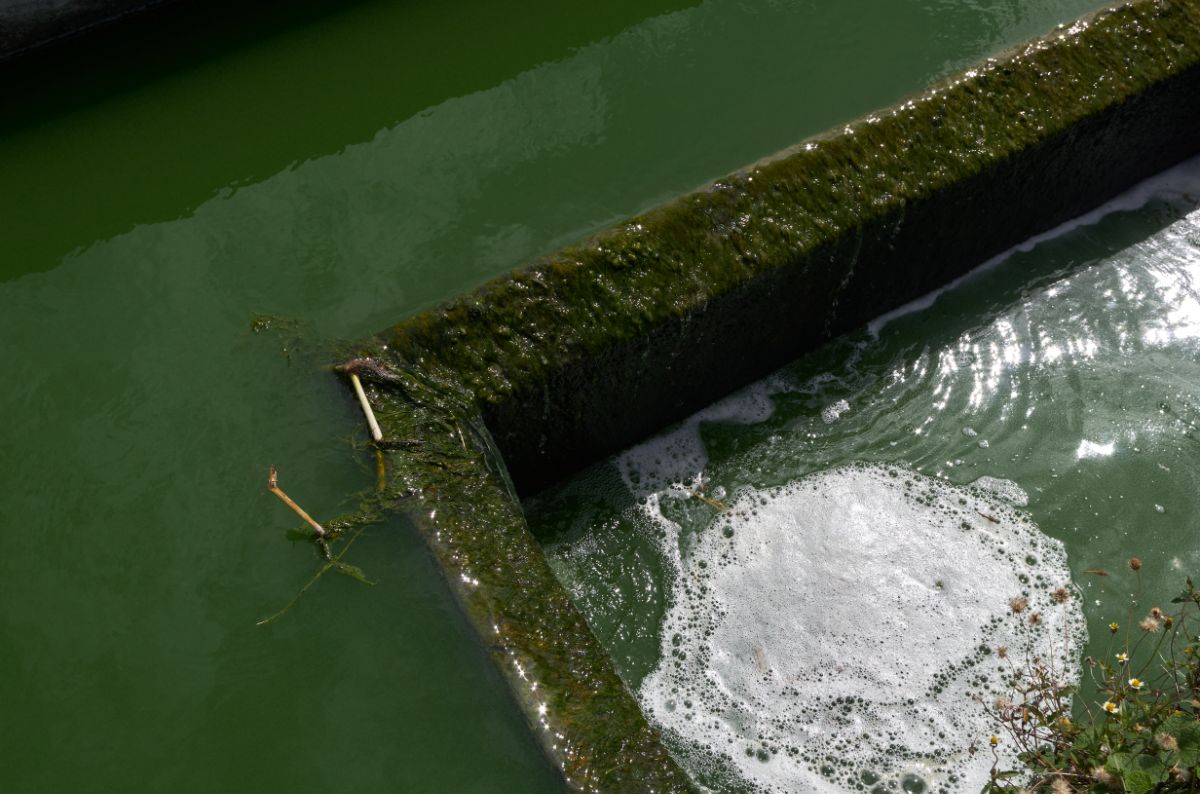
Over the years, the volume of wastewater has steadily increased as expected due to the rise in population. According to the PSA, from 2010 to 2019, the volume of polluted water increased by 32% using the data imported from Manila Water Co. Inc and Maynilad Water Services Inc. And of course, the numbers will be permanently increasing since the country’s growth rate was a lively 1.5% last 2021 with a fertility rate of almost 2.8 births per woman.
In order to comply and preserve the adherence to the standards set by the Clean Water Act of 2004 there has been a constant expansion to adapt to the rising demands. In 2021, Manila Water began building its 42nd sewage treatment plant – the Aglipay Sewage Treatment Plant in Mandaluyong City. It will have a capacity of treating a whopping 60 million liters per day – that’s 24 Olympic-sized swimming pools worth of raw sewage to be treated per day. The construction of this wastewater treatment plant is expected to be completed by 2024 and its 53-kilometer-long sewer network which spans Mandaluyong City, San Juan City, and Quezon City is planned to be totally finished by 2025.
Technologies and Processes
There are many processes that encompass wastewater treatment. In fact, there are almost 80 different kinds of treatment technologies. However, it can be simplified into three phases – phase separation, biological and chemical processes, and polishing.
Phase separation removes solids and non-water materials, while biochemical treatment improves water quality by removing organic matter. Polishing is a final step to adjust pH levels or decrease chemical reactivity.
The Aglipay Sewage Treatment Plant in the Philippines utilizes advanced techniques like the Moving Bed Biofilm Reactor (MBBR) with Biological Nutrient Removal (BNR) technology for the secondary treatment of sewage water. The MBBR process uses an aeration tank with specialized carriers that support the growth of biofilm, making it more effective than other secondary biological or chemical treatments.
Environmental Impact

Tourism plays a significant role in the Philippines’ economic growth, with visitors from all over the world drawn to the country’s unique rivers, lakes, beaches, and flora and fauna. However, if wastewater continues to increase unchecked, it can cause irreparable harm to these tourist attractions, destroying their natural beauty and ecosystems.
Key Takeaway
Be it municipally or industrially, it’s good to know the ins and outs of wastewater treatment when it comes to the Philippines – especially the standards set by the Clean Water Act of 2004.
You can contact us here at Industrial PH if you’re interested in designing and setting up various forms of industrial machinery including wastewater treatment plants and conveyor belt solutions. We are ready to provide you with engineering solutions as one of the country’s top food and beverage solutions providers.