How Steel Tank Fabricators Support Fire Protection
 September 12, 2026
How do steel tank fabricators support fire protection?
- Meeting strict industry standards
- Customizing capacity and configuration
- Eliminating construction fire hazards (bolted tanks)
- Corrosion resistance and longevity
- Integrated fire suppression components
Overview
- Understand how steel tank fabricators contribute to fire protection through properly designed and manufactured fire water storage tanks.
- Explore how tank capacity, configuration, construction methods, and corrosion protection affect storage reliability.
- Learn about the different types of steel tanks used in industrial fire protection systems and their applications.
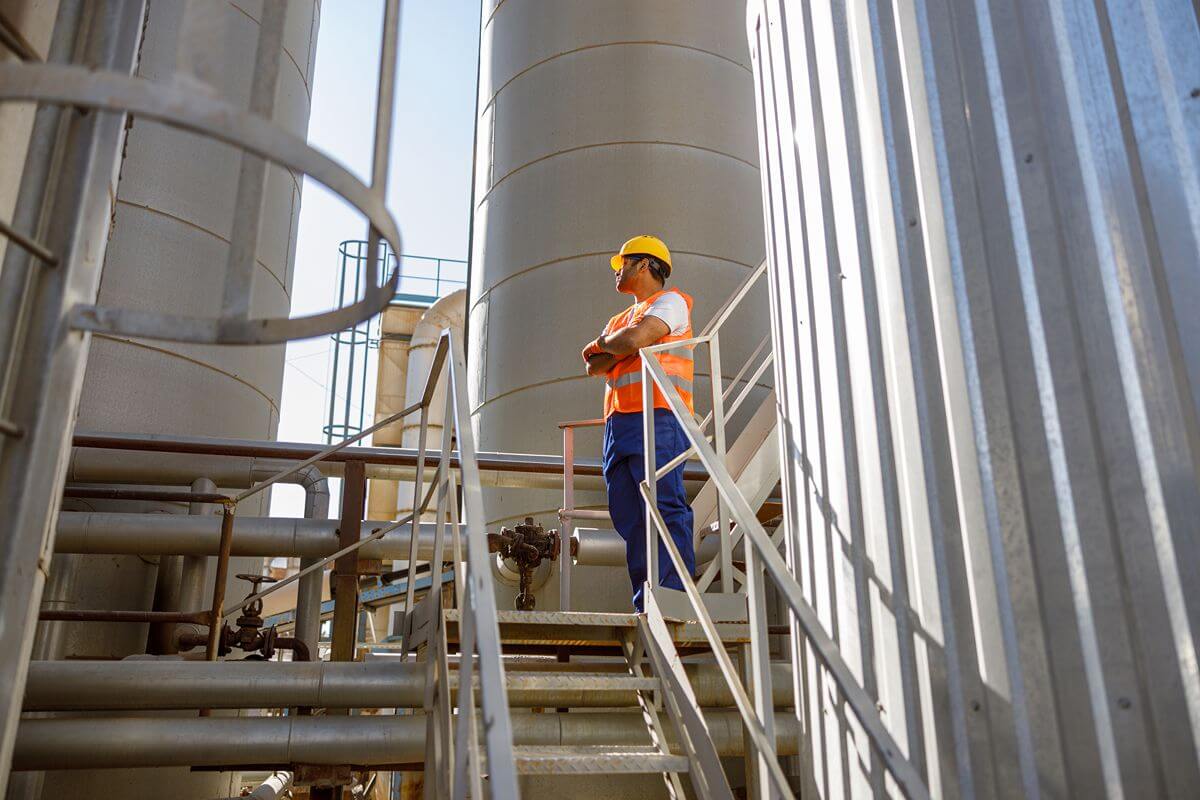
A facility’s fire protection system is only as dependable as the water supply available during an emergency. Steel tanks play an important role in industrial infrastructure by storing water for firefighting equipment, including sprinklers and hydrants. However, selecting a tank involves more than determining how much water it can hold.
You must also consider its structural design, material quality, capacity, and compliance with applicable safety standards. Understanding how steel tank fabricators support fire protection starts with examining these requirements and how they influence the design and fabrication of reliable fire water storage tanks.
Meeting Strict Industry Standards
Fire water storage tanks must meet applicable engineering and fire-protection requirements to support reliable emergency operations. In the Philippines, design and installation must comply with RA 9514, the Fire Code of the Philippines, its Revised Implementing Rules and Regulations, and applicable Bureau of Fire Protection requirements.
At Industrial PH, we recognize the importance of fabrication quality and engineering expertise in industrial tank projects. Our team of skilled engineers and 25 years of industry experience support projects that require careful attention to specifications. You should also verify applicable local regulations, project requirements, and inspection procedures before approving your tank design.
Customizing Capacity and Configuration
Fire water storage requirements vary according to facility size, occupancy, fire hazards, and the suppression systems installed. Your tank must provide sufficient water to meet the required firefighting demand for the specified duration.
Engineers determine this capacity by evaluating sprinkler demand, hydrant requirements, available water supplies, and applicable fire protection standards. Tank configuration also affects how the storage system fits into your facility.
Ground-level tanks may require a larger installation footprint, while elevated configurations use vertical space to provide a gravity-fed water supply. Working with a steel tank fabricator allows you to specify the required capacity, dimensions, and connections based on your site’s conditions and engineering requirements.
Eliminating Construction Fire Hazards (Bolted Tanks)
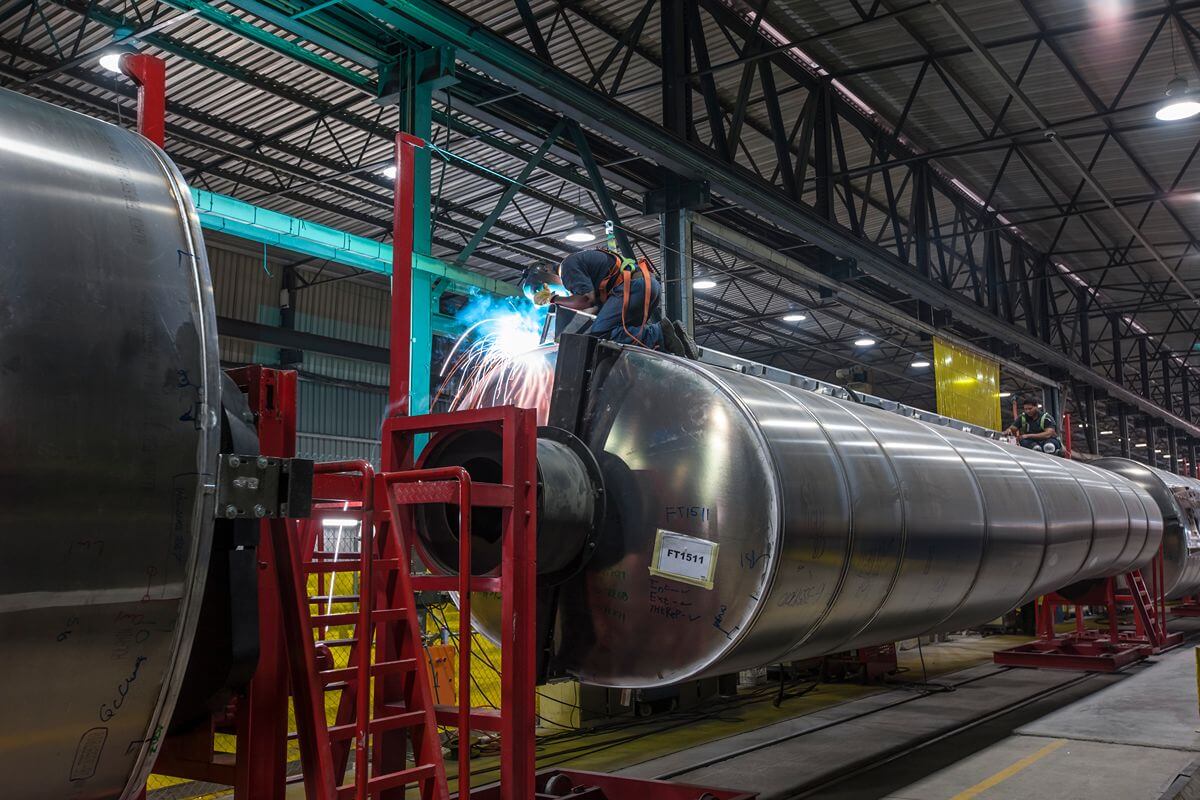
Construction activities involving welding, cutting, and grinding can introduce ignition sources, particularly in facilities with combustible materials or ongoing operations. Bolted steel tanks offer an alternative construction method that reduces the need for extensive on-site hot work.
Fabricators manufacture components with prepared connection points and assemble them with mechanical fasteners. This approach lets steel tank fabricators reduce fire risk by manufacturing tank components off-site and assembling them at the facility.
Minimizing on-site welding and grinding limits potential ignition sources near flammable materials, stored chemicals, and active production areas. Bolted construction also simplifies transportation and installation in restricted spaces. Proper fastening, joint sealing, and structural inspections remain essential to ensure tank safety and reliability.
Corrosion Resistance and Longevity
Fire water tanks are often exposed to moisture and oxygen for extended periods, which can cause rust and gradually weaken their steel surfaces. If left untreated, corrosion may lead to leaks, reduced structural integrity, and costly repairs that compromise water storage reliability. Coastal and humid Philippine environments can accelerate this deterioration, particularly in outdoor installations.
Steel tank fabricators help prevent these issues through proper material selection, surface preparation, and protective coatings or internal linings. These treatments limit exposure to corrosive elements, helping preserve tank integrity and extend its service life.
Integrated Fire Suppression Components
A fire water storage tank must integrate with the facility’s fire protection system and meet the water demand of its sprinkler, standpipe, hydrant, and fire-pump systems. In the Philippines, its design must comply with RA 9514 and applicable BFP requirements.
If the tank supplies a fire pump, install an anti-vortex plate or equivalent device at the suction outlet to prevent air entrainment and pump cavitation. It should include fill/inlet, overflow, and drain connections, water-level monitoring, and safe access for inspection and maintenance.
Coordinate tank capacity, suction arrangement, pipe sizing, fire-department access, and maintenance provisions with the fire-protection engineer, tank fabricator, pump supplier, and BFP.
Main Types of Steel Tanks
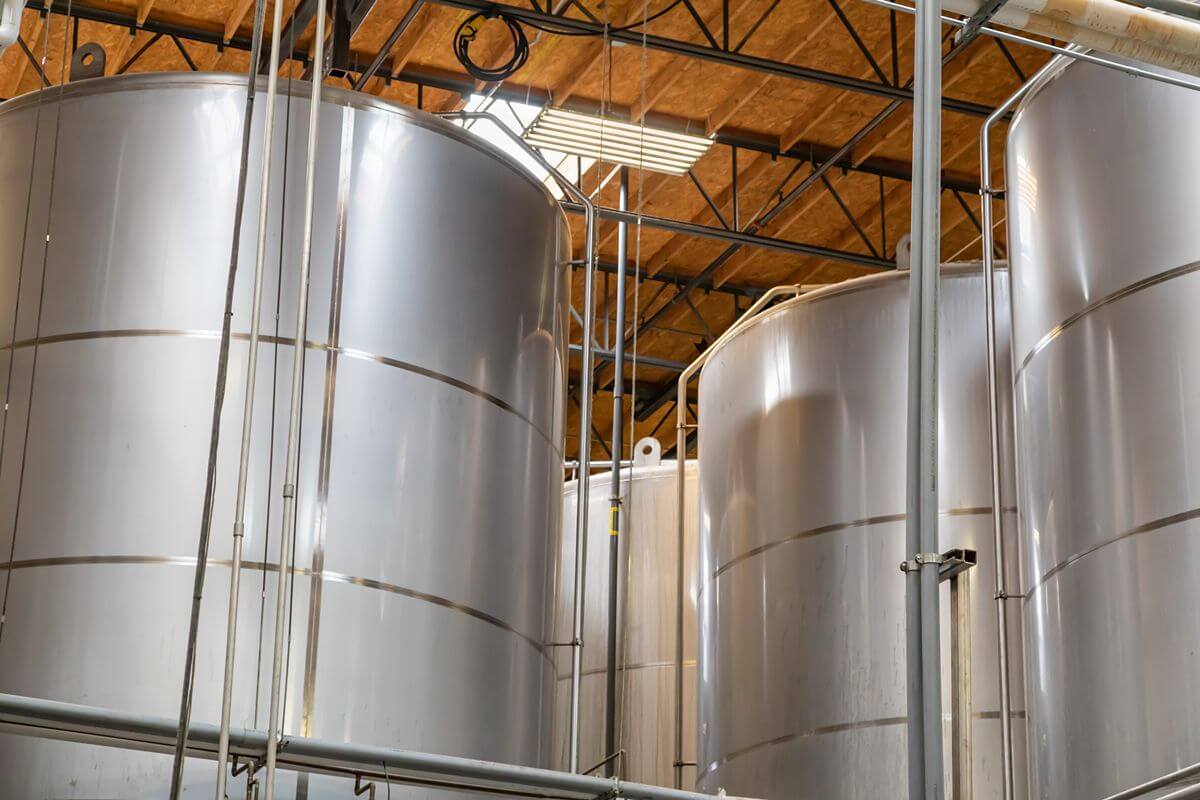
The appropriate fire water storage tank depends on your facility’s water supply arrangement, available space, and system design. Common configurations include:
- Suction Tanks (Ground-Level): Installed at ground level, these tanks supply water to fire pumps through dedicated suction connections.
- Gravity Tanks (Elevated): Positioned above the protected area, these tanks use elevation to provide water pressure through gravity.
- Pressure Tanks: Designed to maintain a pressurized water supply, these tanks operate within specified pressure limits and require suitable pressure-control equipment.
- Break Tanks: Used as intermediate storage, these tanks separate water supply networks and provide a dedicated reserve for downstream fire protection systems.
Key Takeaway
Understanding how steel tank fabricators support fire protection helps you assess the requirements behind a reliable fire water storage system. Proper capacity calculations, compliant engineering, suitable construction methods, corrosion protection, and correctly positioned connections all contribute to tank performance during emergencies.
Industrial Ph provides steel tank fabrication, installation, and maintenance services tailored to your facility’s requirements. Contact us today to discuss your fire water storage needs and explore suitable steel tank fabrication solutions.