Types of Alarms Transmitted to Control Panels
 August 14, 2026
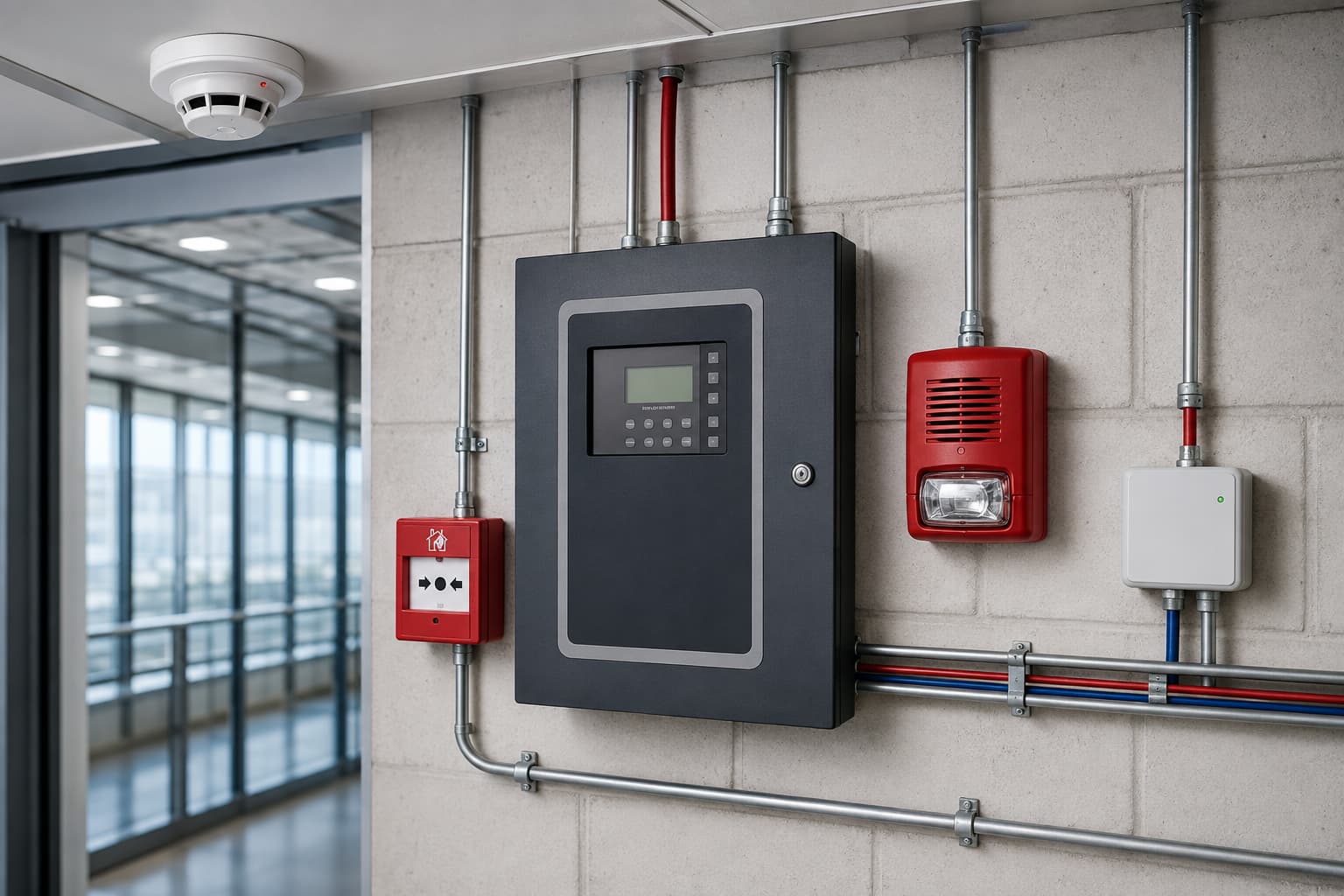
What are the types of alarms transmitted to control panels?
- Different Alarm Types
- Fire Alarm Signals
- Supervisory Signals
- Trouble Alerts
- Monitoring and Maintenance Response
Overview
- Control panels help facility teams identify whether a signal points to an active fire, a system-readiness issue, or an internal system fault.
- The main signal groups are fire alarm signals, supervisory signals, and trouble alerts. Each one requires a different response, escalation level, and documentation process.
- For managing directors, understanding types of alarms transmitted to control panels supports safer decision-making because panel signals can affect evacuation, production continuity, compliance, and maintenance planning.
- Clear response protocols, addressable panel data, and routine maintenance help reduce confusion, false dispatches, and unresolved system impairments.
A fire detection control panel is the decision point of a fire detection and alarm system. It receives inputs from smoke detectors, heat detectors, manual pull stations, valve tamper switches, power supplies, and other monitored devices. Once a signal reaches the panel, the facility team must quickly determine whether it is an emergency alarm, a system-readiness warning, or a technical fault.
For managing directors, this distinction matters because each signal can affect people, assets, compliance obligations, and business continuity. Understanding the types of alarms transmitted to control panels helps leadership assess whether the facility has clear monitoring, trained responders, and reliable system maintenance.
Industrial PH provides fire detection and alarm systems in the Philippines for facilities that need reliable detection, proper alarm notification, and support for long-term system performance. This article explains the main control panel alarm types and how each one should guide facility response.
Different Alarm Types
Fire detection systems transmit different signal conditions to the control panel so facility teams can respond based on urgency. A fire alarm signal indicates a possible active fire condition. A supervisory signal indicates that part of the fire protection system may not be ready to operate properly. A trouble alert indicates an internal fault within the alarm system itself.
These signals should not be treated the same way. A true fire alarm requires immediate emergency action, while supervisory and trouble conditions usually require investigation, repair, or maintenance follow-up. When facility teams understand signal priority, they can act quickly without overreacting to non-emergency conditions or underreacting to serious alarms.
Signal Priority for Faster Decisions
Fire alarms should always be prioritized first because they may require evacuation, emergency response, and automatic equipment shutdowns. Supervisory signals come next because they may show that a sprinkler valve, pump, or monitored protection component is impaired. Trouble alerts require prompt maintenance attention because they may reduce detection reliability.
Addressable Panels for Device-Level Detail
Addressable panels improve response by showing the exact device or point that generated the signal. Instead of searching an entire zone, trained staff can check the device location, compare it with site conditions, and decide whether escalation, isolation, or repair is needed. This is especially useful in large industrial facilities with multiple rooms, equipment areas, or production zones.
Fire Alarm Signals
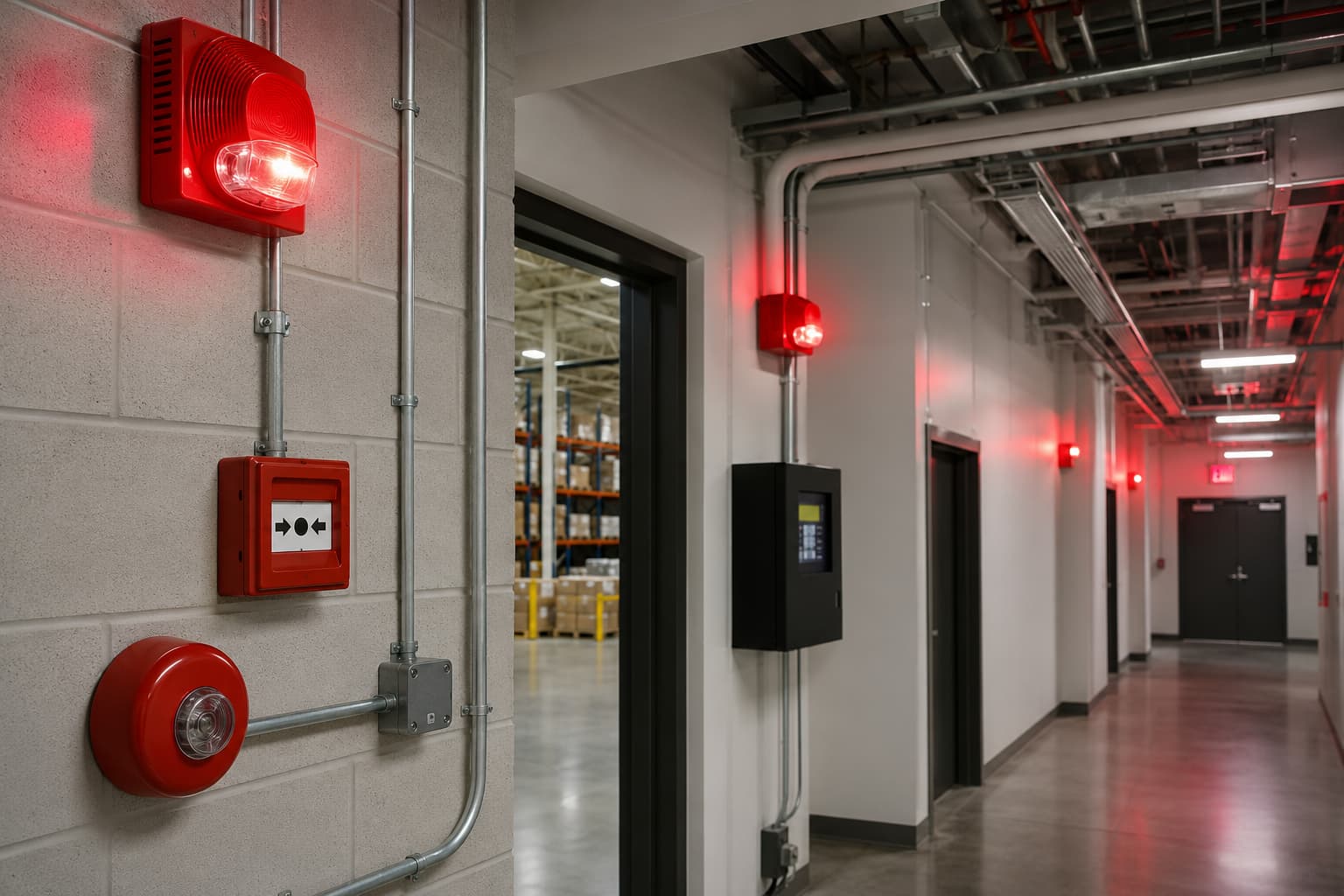
A fire alarm signal usually starts when a detector senses smoke, heat, or flame above its threshold, or when a manual pull station is activated. Once received, the panel enters alarm mode and can activate horns, strobes, voice messages, relays, evacuation sequences, or monitoring station notification depending on the system design.
Facilities evaluating fire alarm systems in the Philippines should check whether alarm outputs match their building layout, emergency plan, and operational risks. A production floor, warehouse, commercial building, or utility area may need different notification appliances, zoning, and automatic response sequences.
Detector Matching to Reduce Nuisance Alarms
Detector type should match the room environment. Smoke detectors may work well in clean office areas, while heat, flame, or multi-criteria detectors may be more suitable in areas affected by dust, steam, humidity, or process emissions. Proper detector selection helps maintain system trust by reducing nuisance alarms.
Output Sequencing to Protect People and Equipment
Fire alarm signals may trigger more than audible notification. Depending on the facility, the panel can be programmed to close fire doors, shut down conveyors, activate exhaust controls, release magnetic door holders, or send signals to other building systems. These sequences should be documented so teams know what the panel does during a real alarm.
Supervisory Signals
Supervisory signals indicate a condition that could compromise the readiness of a fire protection system. Common examples include closed control valves, low air pressure, pump controller faults, low agent pressure, or monitored equipment that has been moved away from its normal operating position.
A supervisory signal does not always mean there is an active fire, but it should still be investigated promptly. If a sprinkler valve is closed after maintenance or a pump controller is not ready, the facility may have reduced protection even if the alarm system itself is still powered.
Valve Tamper Monitoring to Prevent Hidden Impairments
Tamper switches can send supervisory signals when a monitored valve is moved from its normal position. This helps facility teams detect protection impairments before a fire occurs. Without this signal, a closed valve may remain unnoticed until the system fails to deliver water during an emergency.
System Design Visibility for Compliance Readiness
A compliance-ready fire alarm design should make supervisory conditions visible to trained personnel and define who investigates each alert. Clear routing, panel labeling, and documented escalation steps help ensure that readiness issues are not ignored after installation or maintenance work.
Trouble Alerts
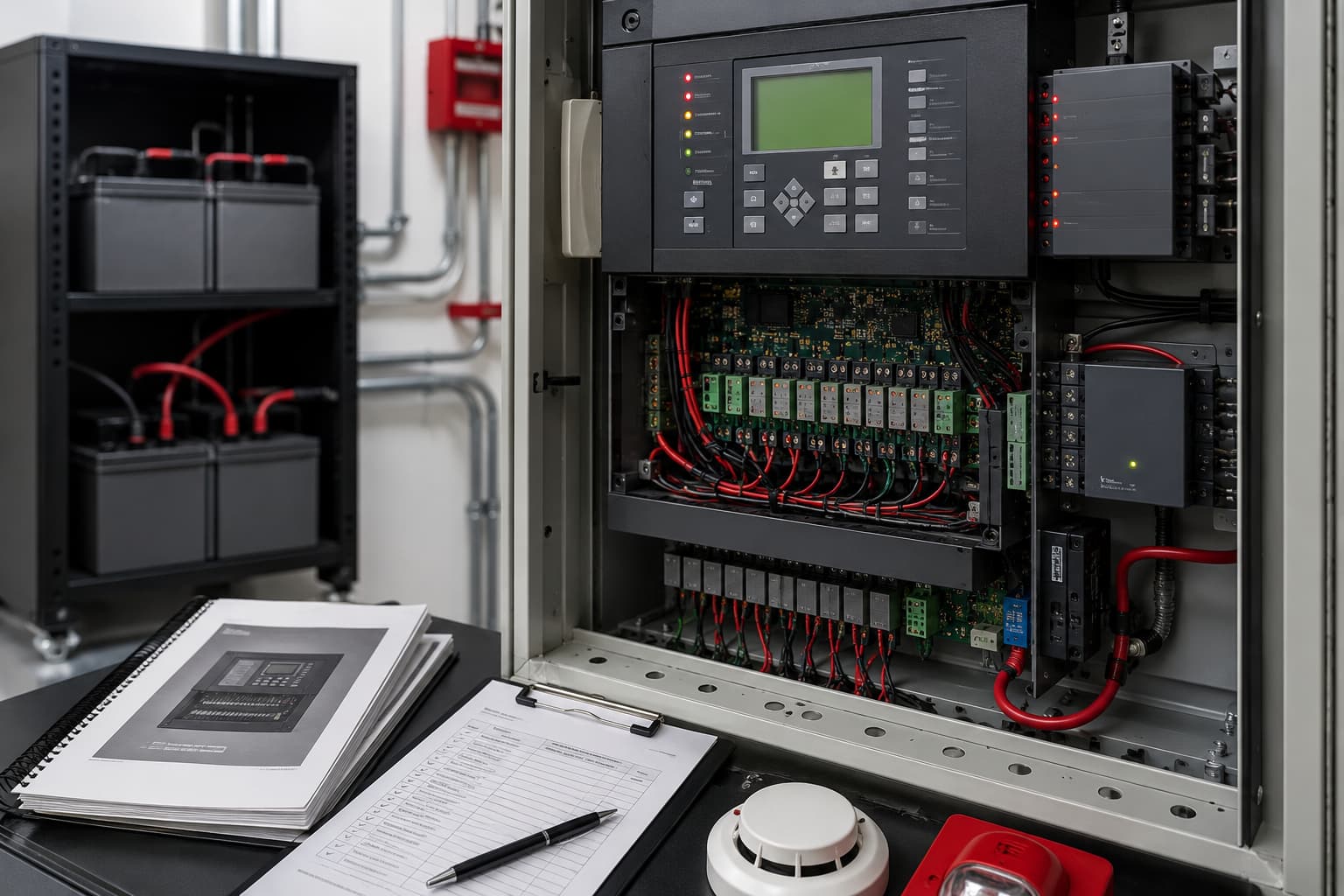
Trouble alerts indicate an internal fault within the fire detection system. Examples include an open circuit, short circuit, disconnected detector, communication fault, low battery, charger issue, or loss of primary power. Unlike a fire alarm, a trouble alert usually does not activate evacuation notification, but it still affects system dependability.
A facility with unresolved trouble alerts may have incomplete detection coverage or unreliable notification. This can create a false sense of security because the system appears installed, but one or more components may not perform correctly when needed. Recurring faults can also point to maintenance gaps, wiring problems, environmental interference, or outdated devices.
Trouble Codes to Shorten Diagnostics
Addressable panels can display specific trouble codes or affected device locations. This helps technicians find the fault faster, bring the right tools, and reduce diagnostic time. For management teams, faster troubleshooting can reduce downtime, limit service costs, and support clearer maintenance records.
Maintenance Planning to Reduce Repeat Faults
Many recurring trouble alerts come from dirty detectors, weak batteries, loose wiring, poor device placement, or missed maintenance intervals. Addressing these issues helps close fire detection gaps in industrial facilities before they affect emergency response.
Monitoring and Maintenance Response
Control panel signals only help if facility teams know how to interpret and act on them. A strong response plan should define who checks the panel, who verifies the device or zone, who contacts the service provider, who authorizes shutdowns, and who documents the event. This prevents confusion when multiple teams are involved.
For managing directors, monitoring and maintenance should be treated as governance issues, not only technical tasks. Clear signal response protects occupants, reduces unnecessary production interruptions, and helps facility teams maintain readiness after renovations, equipment changes, or routine maintenance.
Response Protocols to Prevent False Dispatches
Facilities should separate emergency response from system fault response. Fire alarm signals require immediate action, while supervisory and trouble alerts require investigation and documentation. Training guards, shift supervisors, and maintenance teams on these differences reduces false dispatches and prevents delayed escalation.
Event Logs to Support Maintenance Decisions
Panel event logs can show repeated alarms, recurring faults, disabled devices, or slow response times. Reviewing these logs helps facility leaders justify maintenance budgets, plan upgrades, and confirm whether the fire detection system still matches the site’s layout and operating risks.
Key Takeaway
Fire alarm, supervisory, and trouble alerts each require a different response. Fire alarms demand immediate emergency action. Supervisory signals require investigation of system-readiness issues. Trouble alerts require maintenance to restore detection reliability. Understanding the types of alarms transmitted to control panels helps facility teams respond faster, reduce confusion, and keep fire detection systems dependable.
Industrial PH supports fire detection and alarm system planning, installation, and maintenance for facilities that need reliable control panel monitoring and long-term service support. Contact Industrial PH today to discuss the right fire detection system approach for your facility.